Subaru EGR Valve Replacement for Forester and Outback
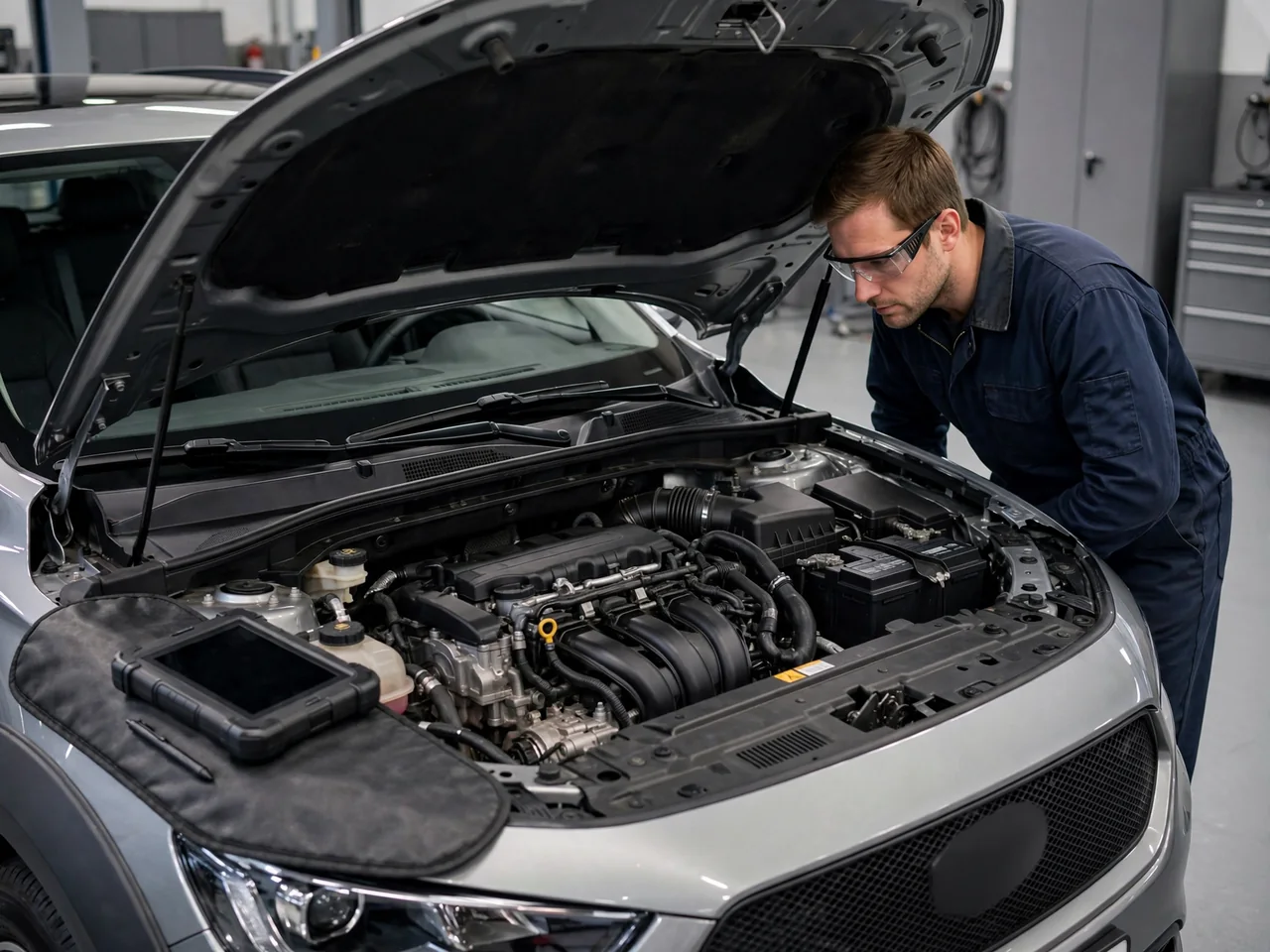
Subaru Forester and Outback owners may face an EGR valve problem that triggers a check engine light, rough idle, or hesitation. Because exhaust gas recirculation lowers combustion temperatures and helps control nitrogen oxide emissions, many Subarus use EGR flow to meet clean-air standards. A Subaru EGR valve replacement should always follow vehicle-specific diagnosis. The model name alone does not guarantee a serviceable valve, its location, or the correct part. Confirming the exact year, engine, and equipment prevents ordering the wrong component and guides a repair that actually clears the fault.
Confirm the Subaru’s EGR Equipment Before Ordering Parts
Exhaust gas recirculation routes a measured amount of spent exhaust back into the intake stream. This dilutes the air-fuel charge and reduces peak cylinder temperatures where nitrogen oxides form. On a Subaru Forester or Outback equipped with EGR, the valve throttles that flow based on engine load and temperature. The system contributes to lower emissions without sacrificing normal drivability, but a sticky valve, blocked passages, or an electrical fault can disturb idle quality and cause stored diagnostic trouble codes.
Before ordering any EGR valve, Subaru owners must confirm the vehicle actually has one and identify its exact configuration. Model name, year, engine identification, and intended market can all change emissions equipment. Some engines use an integrated EGR passage rather than a separate bolt-on valve. A VIN-based parts lookup and a physical inspection prevent assuming that a replacement valve is needed. Without this confirmation, the location, part selection, and repair procedure cannot be reliably established for a specific Forester or Outback.
Symptoms That Warrant an EGR System Check
A check engine light is the most common prompt to look at the EGR system, but it only reports a fault in engine management, not a failed valve. Owners may also notice a rough idle, engine stalling when returning to idle, or hesitation during acceleration. These symptoms can appear when an EGR valve stays open too long or when excessive flow enters the intake. Other faults such as vacuum leaks, ignition problems, or fuel delivery issues can mimic EGR complaints, so the observations help a technician focus the diagnosis rather than replacing parts by guesswork.
Noting when a symptom occurs makes the shop visit more efficient. Owners should record whether the rough running happens only after warm-up, while idling in gear, or during a specific throttle position. Safe towing or immediate parking is not needed for a steady warning light, but severe misfiring, repeated stalling in traffic, or a flashing check engine light indicates the catalyst may be at risk. Stopping safely and having the vehicle inspected is the correct course. The symptom pattern supports an accurate EGR system check and avoids unnecessary Subaru EGR valve replacement.
What Diagnosis Should Establish Before Replacement
Before clearing anything, a competent diagnosis preserves stored codes and freeze-frame information. Freeze-frame records capture the engine temperature, load, speed, and fuel trim when the fault occurred. This context narrows possible causes and prevents a code from being erased before its meaning is understood. Manufacturer-dependent fault definitions vary, so a generic code reader alone may mislead. The exact vehicle calibration determines whether a code points to EGR flow, the valve control circuit, or a different subsystem, and the stored data must be recorded before any repair work begins.
A verified EGR code does not automatically convict the valve. Restricted EGR passages, a torn vacuum line, damaged wiring, a faulty control solenoid, or a sensor reporting incorrect flow all produce similar trouble codes. Professional functional testing and inspection are the basis for deciding whether replacement addresses the confirmed fault. A technician may operate the valve with a scan tool, watch sensor feedback, or verify passage flow. Only after the root cause is isolated should a new EGR valve be ordered, particularly for a Subaru Forester or Outback where an incorrect repair will not clear the light.
Planning a Forester EGR Valve Replacement
Planning a Forester EGR valve replacement starts with the exact vehicle details a parts supplier or shop will need. The model year, engine identification, intended market, and the full VIN narrow the production range. Subaru changed emissions hardware across generations and engines, so a Forester from one year may use a conventional vacuum-operated EGR valve while another uses electronic control or no separate valve at all. The installed arrangement must be confirmed using the VIN and vehicle-specific service documentation before discussing access, removal steps, or repair scope.
A written estimate should include diagnosis time, the valve itself, required seals, and any confirmed passage inspection or cleaning. Ask whether the shop will test EGR operation after installation and verify that the stored code does not immediately return. Do not accept a universal valve location, a guessed part number, or a flat repair time across Forester configurations. The correct part depends on the exact hardware, and the labor to reach it varies with turbocharger plumbing, intake manifold design, and market-specific emissions certification. Confirming these facts prevents a costly wrong order or an incomplete repair.
Planning an Outback EGR Valve Replacement
The Outback's EGR equipment cannot be selected by model name alone. A 2005 Outback with a naturally aspirated engine differs from a later model with direct injection or a turbo. The year, engine family, and emissions market all affect whether a serviceable EGR valve exists and which component fits. A VIN-based catalog lookup and visual confirmation of the installed hardware are essential. Some Outbacks use EGR only in certain markets, while others rely on valve timing changes to control nitrogen oxides. Ordering a valve without this check risks wasted time and a non-returnable electrical or mechanical part.
Before the appointment, document the symptoms, any diagnostic trouble codes, freeze-frame data, and prior EGR work. If a code was recently cleared elsewhere, the shop may need to reproduce the fault. Confirmed passage restrictions, a failed control solenoid, or damaged wiring can expand the repair beyond simply replacing the valve. Ask practical questions: Does the replacement part include the gasket or O-ring? Is there a workmanship warranty on the labor? Will the shop clear codes, perform a test drive, and monitor readiness monitors? For an Outback EGR valve replacement, these answers define whether the repair will be complete and verifiable.
Replacement Scope and Checks After the Repair
Replacement at a high level means confirming the fault through testing, fitting the correct component using vehicle-specific service information, and checking that the system operates as intended. The exact work depends on diagnosis time, access to the valve, part choice, and any additional confirmed faults. Labor can rise if the intake manifold must be removed for passage cleaning or if a leaking gasket is found. The estimate should explain these variables without quoting a single universal price, because a Subaru EGR valve replacement on a Forester may differ from the same job on an Outback with a different engine.
Clearing the warning light alone does not establish success. The stored code must be watched for recurrence, freeze-frame data compared, and the EGR flow verified with a scan tool during real driving conditions. If symptoms or codes return, further diagnosis is needed rather than assuming the replacement valve is defective. A new valve can fail if passages remain restricted, vacuum or electrical control is faulty, or learned values are not reset. Shops should therefore include post-repair verification. Hot exhaust components, emissions bypasses, and energized testing require suitable equipment and expertise and are not appropriate for do-it-yourself work.