Spare and Donut Tire Speed Rating
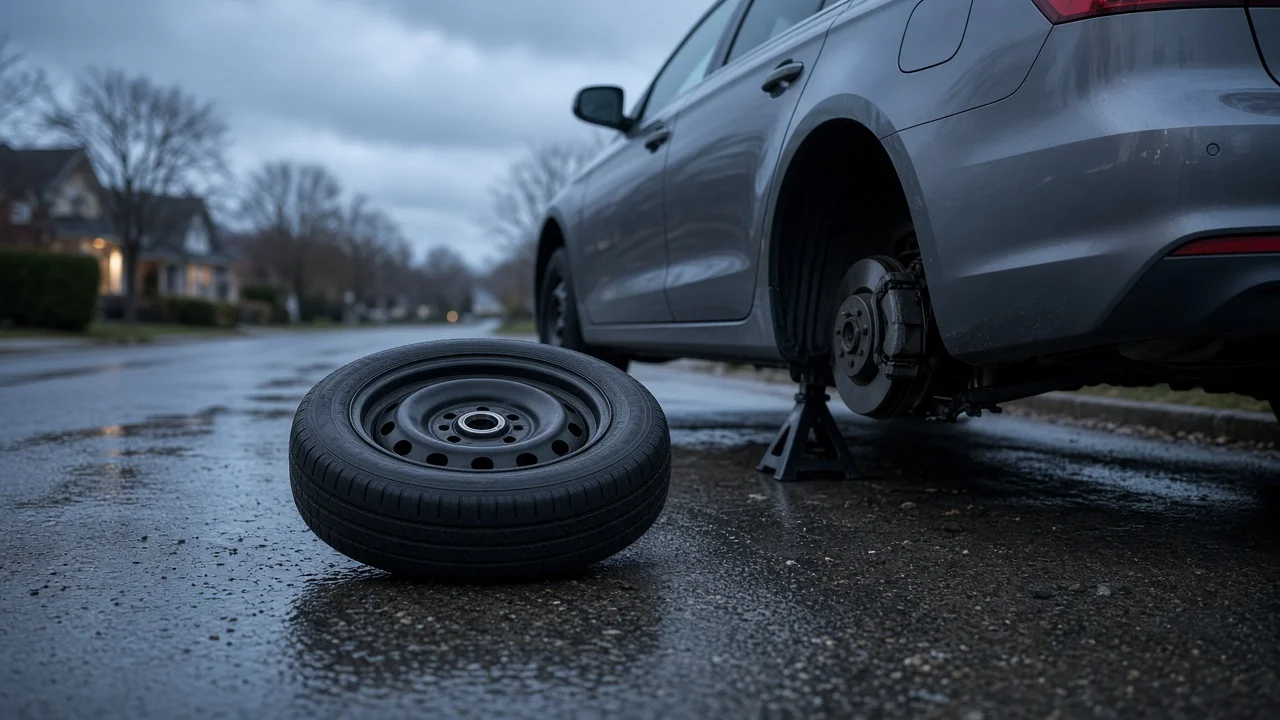
A flat tire changes the driving plan instantly, and the temporary spare that takes its place is not simply a smaller version of the road tire. Understanding the speed rating for a donut tire directly affects how safely you can continue driving, especially on a highway or a long route. The markings on a space-saver spare appear familiar, but they represent temporary-use limits rather than everyday performance. Reading those limits correctly helps a driver avoid compounding a tire failure with a speed-related failure, protecting the wheel, drivetrain compatibility, and the remaining tires.
Essential answer
A temporary spare, often called a donut, carries a speed restriction because its narrow tread, shallow tread depth, light construction, and high inflation pressure are designed for short emergency use rather than sustained highway travel. The limit is usually molded on the sidewall or printed on the vehicle placard, commonly expressing a maximum speed rather than a conventional speed rating letter. Exceeding that temporary-use limit can overheat the small tire, reduce its grip, and make emergency steering or braking less predictable.
The speed rating for a donut tire therefore means a ceiling for a specific emergency situation, not a recommended cruising speed. The tire size and load index are reduced compared with regular tires, so the same vehicle weight and speed put more stress on the compact spare. Inflating it to the specified higher pressure is part of maintaining that temporary capability, and this pressure should be checked before relying on the spare. The essential answer is that a donut tire is speed-limited and must be treated as a short-distance, reduced-speed replacement until a full-size tire is restored.