Sony Car Audio DSP

Choosing a Sony car audio DSP means adding a dedicated tuning layer between the source unit and amplifiers. The goal is cleaner signal routing, precise crossover control, and per-channel equalization that a basic head unit cannot supply alone. This guide explains what a Sony digital signal processor does in a vehicle and what buyers should confirm before purchase. It covers the practical function of the processor, how it interacts with factory integration, and why tuning access matters for the final in-car result.
The direct answer
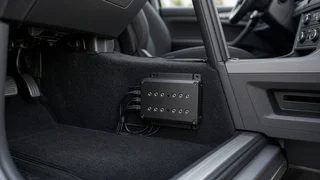
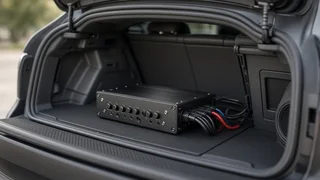
A Sony car audio DSP is a signal-processing component that installs between the audio source and the amplifiers or speaker wiring. Its main job is to correct frequency response and time alignment after the signal leaves the head unit. When a factory radio sends a compromised or filtered signal, the processor can flatten it and rebuild a usable output for aftermarket amplifiers. This is especially relevant when the vehicle uses a fixed factory equalizer curve that cannot be adjusted through the display.
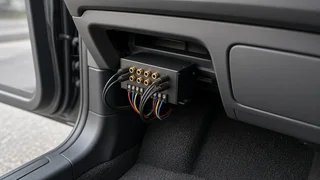
The right purchase decision usually depends on how many channels need correction and whether the unit supports the vehicle's existing controls. If the car uses an amplified factory system, the buyer should check whether the Sony unit accepts high-level speaker signals or requires a separate converter. A processor that offers vehicle integration through compatible adapters may preserve chimes, steering wheel controls, and volume behavior. Without that confirmation, a generic installation may add noise or leave some factory functions inactive.