Snowmobile Trailer Hitch Pin
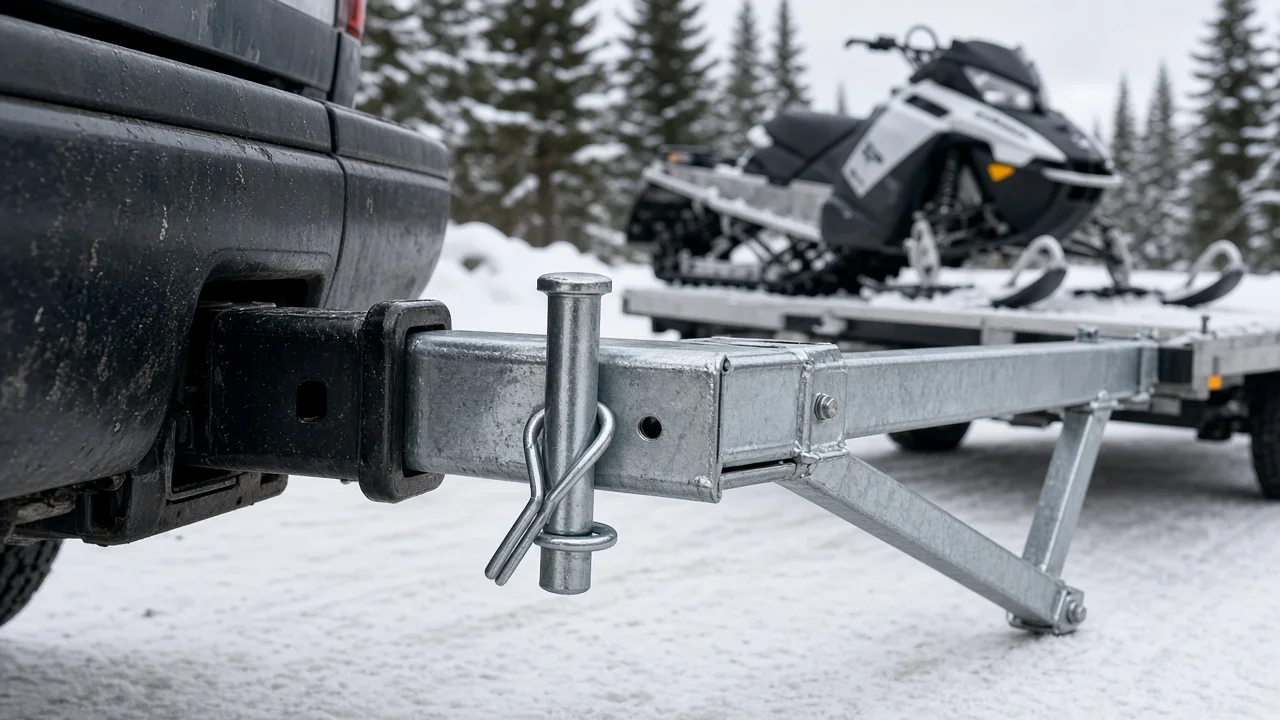
Choosing a snowmobile trailer hitch pin starts with a simple question: does the pin fit the receiver, hold the drawbar securely, and stay put over rough frozen roads? A sloppy or undersized pin can allow noise, wear, and movement, while a seized or corroded pin turns a quick unhitch into a frustrating job. Because snowmobile trailers often run through wet, salted conditions and sit during the off-season, the pin’s material, diameter, coating, and locking style matter more than the part’s small size suggests. The right choice balances easy removal with positive retention when the trailer is loaded and bouncing.
The direct answer
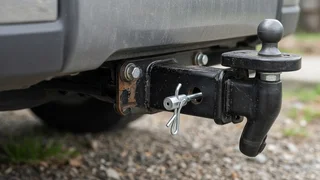
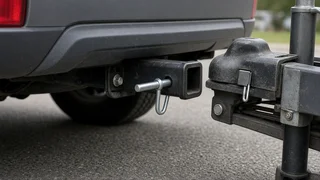
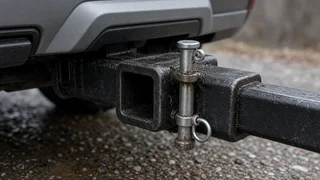
Select a snowmobile trailer hitch pin matched to the receiver tube’s pin-hole diameter, typically a straight or bent handle pin, and confirm the usable shaft length lets the retaining clip or lock seat fully outside the receiver. A corrosion-resistant finish helps prevent the pin from binding after salt exposure. The pin must be strong enough for the intended trailer tongue weight, but an oversized or longer pin does not improve safety and may simply rattle or hang up on the drawbar. Match the style to how often the hitch is removed.
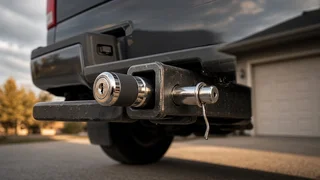
The immediate buying condition is whether you need a standard clip pin or a locking pin. A plain pin with a hairpin clip is convenient for frequent unhitching at home or a trailhead. A locking hitch pin adds theft deterrence and stays put when the trailer is left connected for longer periods. For either style, the pin’s shaft should fill the receiver hole with minimal side clearance while still sliding through without hammering. Once inserted, the retaining clip should sit squarely against the receiver, not on a weld bead or paint high spot.