Smart Fortwo Electric Drive Battery and Range: What Owners Should Know
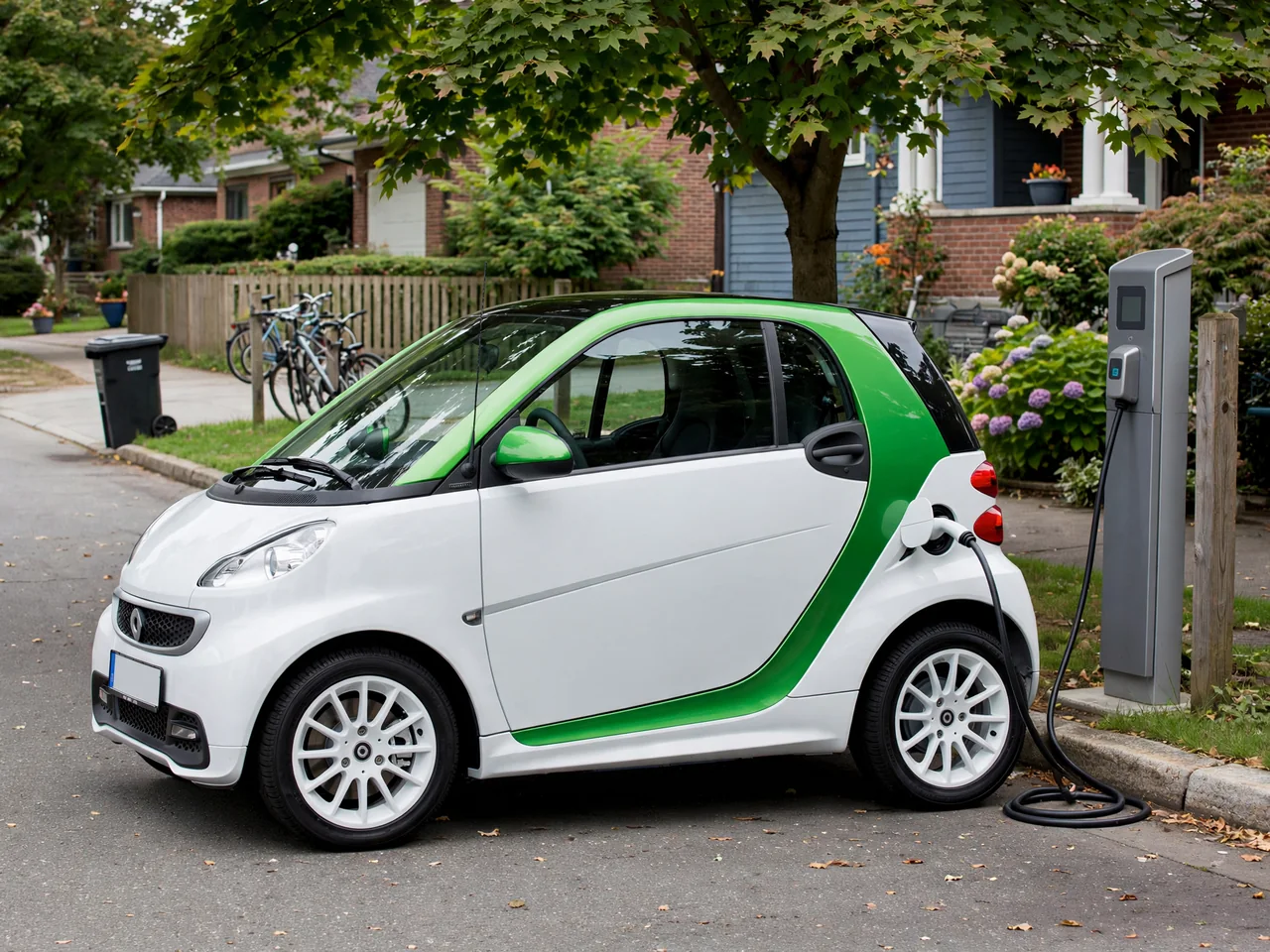
Owning a Smart Fortwo Electric Drive means learning how its compact traction pack behaves in traffic, cold weather, and on fast roads. The question “smart ev range” often mixes official numbers, dashboard estimates, and real trip results, which are not the same thing. This guide explains how to identify your car’s battery arrangement, interpret range figures for your model year, track usable capacity in daily driving, recognize aging, and understand what a battery replacement quote—or a rental agreement—actually covers.
Identify the Fortwo Electric Drive and Its Battery Arrangement
The Smart Fortwo Electric Drive was offered in different generations and markets, so the first step is confirming which version you have. Model year, original sales region, and whether the car was sold or leased with a battery rental contract all change what a range figure or battery cost means. Check your registration, VIN, and any purchase documents for the exact battery capacity and generation, because assuming all Fortwo ED cars share the same terms can lead to wrong decisions about range and replacement.
It is also essential to separate the high-voltage traction battery that moves the car from the 12-volt accessory battery under the front panel. A quote for a “smart car ev battery” may refer to either, and the accessory battery is much cheaper and more commonly replaced. The traction pack is the large assembly under the floor and is the part tied to range, capacity loss, and high-voltage diagnostics. Vehicle records should state whether the traction battery is owned or rented, which affects everything from who pays for service to what part number is used.
Read Range Figures in Their Model-Year Context
Range figures for the Fortwo ED must be read in their model-year context. Early first-generation cars had a smaller usable battery and a lower official range on the old NEDC cycle, while the later 453 generation announced a higher range on the WLTP or EPA cycle. These numbers are laboratory results, not a promise that you will travel that far in everyday use. A “smart fortwo ev range” from an older brochure tells you little about a car that has aged, has been driven hard, or now faces colder weather.
Actual distance from a charge changes with temperature, cabin heating or air conditioning, speed, hills, and payload. Winter heating can consume a large share of a small pack, while steady 70 mph driving uses more energy than the city cycle. Route type matters too: stop-and-go traffic is often more efficient in an EV than open-road cruising, but aggressive acceleration hurts. Keep each generation’s figures separate and use them only as a starting point for learning your own car’s behavior.
Estimate Range for Your Regular Trips
To estimate range for your regular trips, record the starting state of charge, distance driven, ending charge, outside temperature, and whether you used climate control. Over several normal journeys this builds a personal pattern. A single trip is not enough, because the dashboard range estimate is a rolling prediction based on recent energy consumption. If the last few miles were uphill or in cold weather, the displayed number may be much lower than your true capacity would provide on a mild, flat commute.
You can use repeated observations to plan a practical charging reserve. For example, if a 30-mile commute consistently uses about 40% of the charge in winter, leave at least 55% before the return trip rather than aiming for exactly 30 miles. Do not try to test the battery by running it empty; deep discharge is stressful and unnecessary. Extrapolating full-charge range from a ten-mile trip is unreliable because the battery gauge is not linear near the top and bottom, and small display changes hide real variation.
Recognize Battery Aging and Know When to Seek Testing
All lithium-ion traction batteries lose some usable capacity over time, but the rate varies with usage, temperature history, and charging habits. A Fortwo that has been fast-charged frequently or stored in high heat may show more degradation than a gently used city car of the same age. Reduced trip range by itself is not proof of battery aging: a cold snap, new route with higher speeds, or heavier use of cabin heat can cut distance by 20–30% without any battery fault.
Seek a qualified battery health assessment when range loss persists under similar conditions for several weeks, or when charging behavior changes unexpectedly—for example, the car stops accepting full charge or the charge port temperature warning appears. Request a diagnostic report that states the assessment method (such as a capacity test or cell voltage scan), usable capacity findings, any stored high-voltage fault codes, and what the test cannot show. A fault code is only evidence to interpret, not proof that a part has failed.
Understand What a Fortwo Battery Replacement Quote Includes
A dealer or independent shop should diagnose the high-voltage system before assuming that reduced range or a charging fault requires traction-battery replacement. A weak 12-volt battery, a faulty onboard charger, a coolant leak, or a software issue can produce similar symptoms at a fraction of the cost. The replacement quote for a Smart ED traction pack depends on the exact vehicle specification, confirmed repair scope, whether the battery is new, remanufactured, or used, plus labor, transport, taxes, and warranty coverage. These details must be written in the estimate.
An itemized quote should identify the battery condition and verified fitment for your VIN, the installation work and required setup, any cooling system service, post-repair testing, and the coverage terms. If a provider says a remanufactured pack is available, ask them to confirm suitability in writing and describe the capacity guarantee. Do not attempt high-voltage battery work yourself; the DC voltage is lethal and specialized isolation tools and training are required. Without a confirmed diagnosis and written fitment, no quote is reliable.
Check Rental Terms, Warranty Coverage, and Payment Responsibility
For some Fortwo Electric Drive cars, the traction battery was not sold with the vehicle but rented under a monthly agreement. If your car has a battery rental contract, then the rental company—not you—may own the pack, authorize replacement, and set terms for capacity or failure. This changes who pays and what work is allowed. Buyers of used cars must verify whether the rental remains active, whether it transfers automatically, and what monthly fees or end-of-contract obligations remain, because the contract follows the battery, not just the first owner.
Warranty eligibility also depends on the car’s market, sale date, mileage, and the specific defect found in diagnosis. A high-voltage battery warranty may cover premature capacity loss only below a stated threshold and only if the car has followed the required maintenance and charging conditions. Before authorizing any repair, obtain written confirmation of what the warranty covers, what you will pay out of pocket, and whether the replacement battery changes the rental status. Incomplete ownership records make this even more important; never assume coverage exists without written evidence.