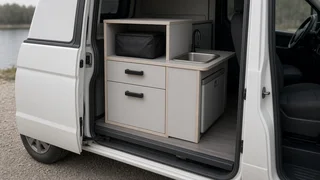
Small Van Micro Camper Conversion

A small van micro camper conversion turns a compact commercial vehicle into a simple, self-contained sleep-and-cook space without the bulk of a full RV. The approach works well with short-wheelbase vans and city-sized models such as older Transit Connect generations, Vauxhall Combo or Astra-based vans, where every inch must earn its place. Because these vans have limited interior length and modest payload, the useful result is not a miniature apartment but a carefully organized travel shell. Understanding the vehicle's body style, powertrain configuration and model generation shapes what can realistically be fitted and carried.
Essential answer
A micro camper conversion is best understood as a removable or semi-permanent camping layout scaled to a compact van. The essential answer is that a short-wheelbase van can support one or two people for overnight trips when the design prioritizes folding surfaces, low-profile storage and lightweight materials. A Transit Connect camper van conversion, for example, typically revolves around a rear sleeping platform rather than a fixed bed, because the cargo floor is too short for a permanent longitudinal mattress. The build must respect the vehicle's market specification and trim level, since rear door design, window count and interior trim affect attachment choices.
The meaning of a tiny camper van conversion also changes by base vehicle. An SWB van camper conversion has less room behind the front seats, so the bed often runs partly above folded rear seats or uses a folding panel that stores vertically against a side wall. A Vauxhall Combo camper van conversion and a Vauxhall Astra van camper conversion share a similar principle: the rear cabin works as a changing and sleeping area, while cooking is handled at the open tailgate or on a slide-out board. The conversion is a system of compromises around the existing metal shell, not a redefinition of it.
Procedure
The first practical step is to measure the cargo area with the front seats positioned for driving and, if applicable, with the bulkhead in place. Record the narrowest width between wheel housings, the floor length behind the seats, the roof height and the rear opening height. These numbers determine whether a crosswise or lengthwise bed platform is possible. Because model year and model generation affect interior contours, do not copy dimensions from a different generation of the same van. Build a temporary cardboard floor template to test furniture placement before cutting any wood or metal.
Once the layout is confirmed, assemble the sleeping platform with a frame that clears ribs and side trim without drilling into unknown areas. Use existing cargo tie-down points or factory bolt holes where available, and check the underside before adding fasteners. Fit the storage drawers or boxes only after the bed height is tested with a real mattress, because a tall mattress can reduce sitting headroom enough to make the space unpleasant. Finish functional items before adding trim panels, and load the heaviest items low between the axles to avoid punishing an already narrow payload window.