Small Japanese vans
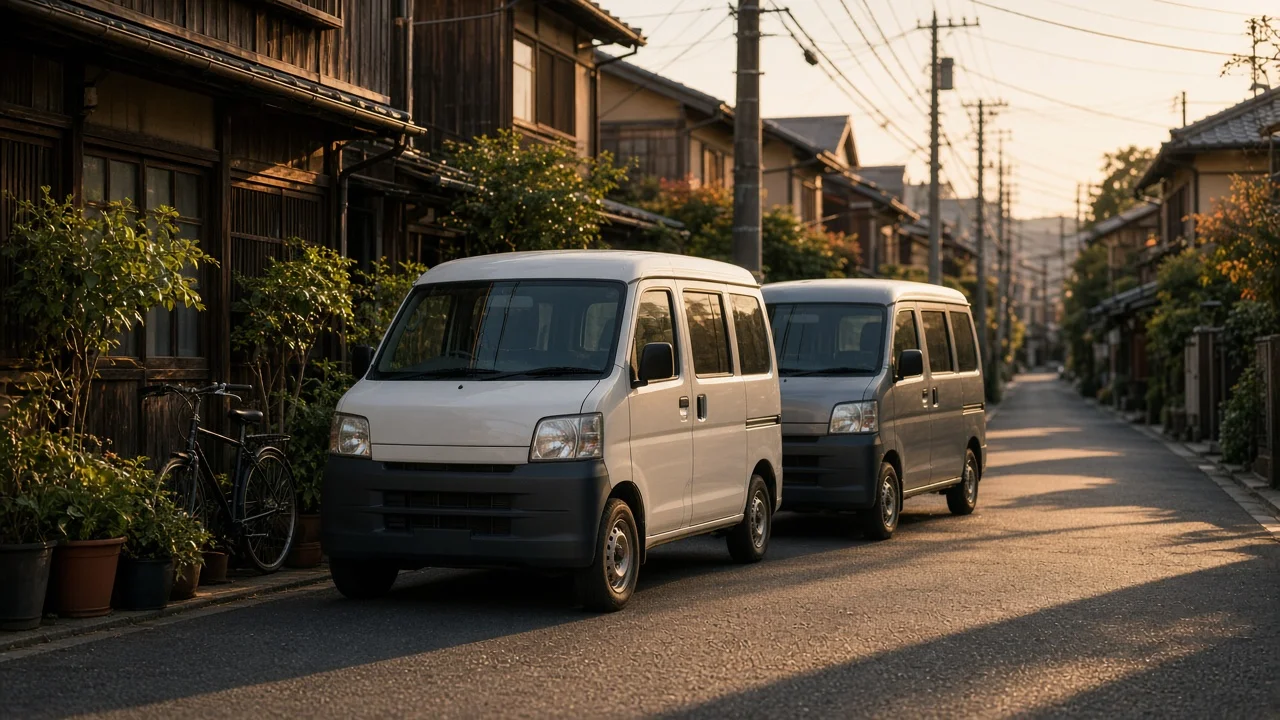
A small Japanese van is a compact, tall-roofed vehicle built around utility, maneuverability, and efficient use of interior space rather than highway luxury. In the US, interest in these vans often focuses on used Japanese-market models imported under age-based rules or on globally sold models that share similar engineering. Shoppers researching the segment typically compare body configuration, powertrain options, model year, equipment level, and regional availability, because the same nameplate can change meaning across decades and export markets. Understanding those variables helps separate the practical cargo or passenger vehicle from a novelty import that may not match daily ownership needs.
Essential answer
The essential answer is that a small Japanese van prioritizes a short footprint, upright cabin, sliding or hinged side access, and a flexible rear load area. Within the US context, the term can refer to subcompact or compact vans sold through normal dealer channels, as well as Japanese domestic market models reaching the country through later importation. The underlying appeal is similar in both cases: a vehicle that is easier to park and thread through tight streets than a full-size van while still providing a generous cargo box or seating position relative to its exterior dimensions. Buyers should first clarify whether they need a current, readily supported model or an older specialty import, because that distinction changes parts availability, emissions compliance, and practical usability more than the basic body shape does.
Interpreting the category also requires attention to market segment and model year. A 1990s urban delivery van, a contemporary kei-class people mover, and a compact North American minivan may all be described as small Japanese vans, yet their drivetrains and equipment levels serve different jobs. Some were engineered for dense city routes with low load floors and high roofs, while others prioritized family seating, sliding doors, and highway composure. Regional availability further shapes what a shopper actually encounters: vehicles common in Japan or Europe were not always offered with the same powertrain options or trim levels in North America. Checking the specific body configuration and original intended use is therefore more revealing than relying on the broad category label alone.