Small and Compact Cars With Good Gas Mileage for Everyday Driving
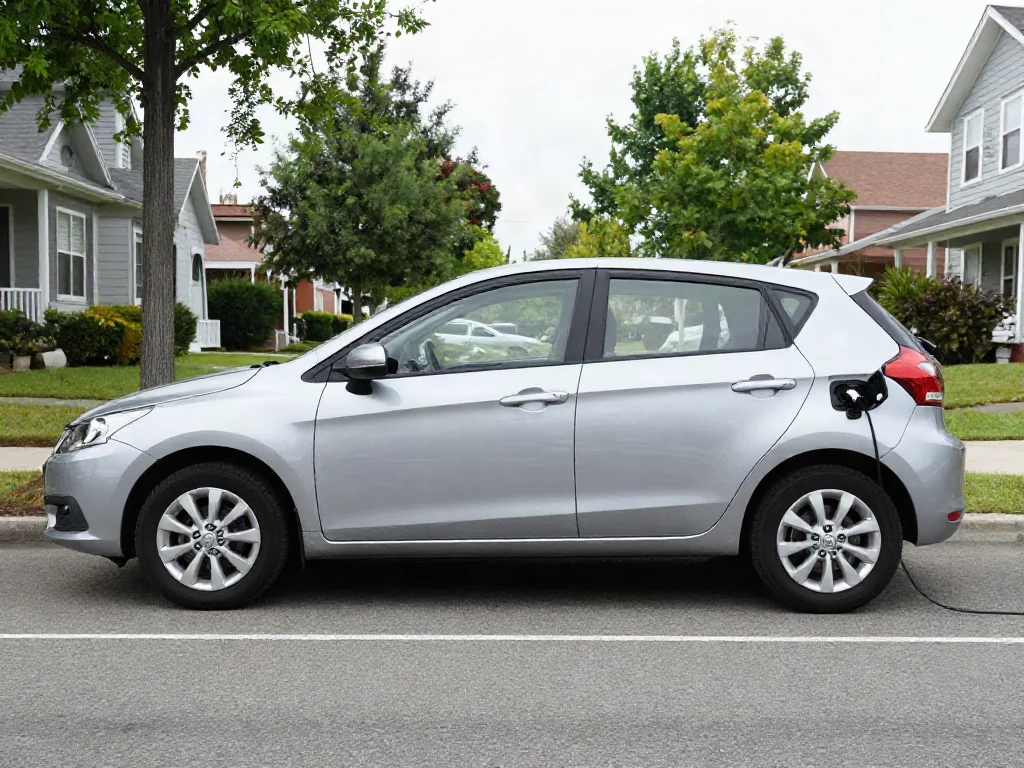
Shopping for a small car with good gas mileage usually starts with the window sticker, but the best small car for fuel economy depends on more than one number. This guide explains how economy car gas mileage is rated, which compact and subcompact models are worth researching, how hybrids and gasoline engines differ, and how to check a used car's real-world mileage before you buy.
What Gas Mileage to Expect From an Economy Car
This guide covers gasoline and conventional hybrid small cars, including subcompact hatchbacks, compact sedans and city-oriented models sold in the US. Fuel economy is measured in miles per gallon, and the EPA publishes three figures. EPA city MPG reflects stop-and-go driving with frequent idling. Highway MPG reflects steadier cruising. Combined fuel economy blends the two into one number, which makes it the fairest starting point when you compare cars or estimate annual fuel use.
Instead of relying on one universal range, compare cars within a clearly defined model-year window. Use the official rating for each exact configuration, and keep gasoline and hybrid figures separate. Hybrids usually show their biggest advantage in city ratings, and gasoline cars tend to close the gap on the highway. "Economy car" is a shopping label, not a rating class. Gearing, weight, tires and aerodynamics all shape fuel use, so a smaller body doesn't automatically deliver better mileage.
Compact Cars to Put on a Fuel-Economy Shortlist
If you're looking for the best compact car for gas mileage, the Toyota Corolla Hybrid and Hyundai Elantra Hybrid are logical cars to research. Both pair a familiar compact sedan body with a conventional hybrid powertrain. Their ratings vary by model year and trim, though, and wheel size or option packages can change the published numbers. Before you add either one to a shortlist, confirm the exact year, trim and EPA size class, then note the city, highway and combined MPG for that configuration.
A compact sedan suits shoppers who want usable rear seating and a separate trunk, but a trunk opening can limit bulky cargo compared with a hatchback. Check whether the hybrid battery's location affects trunk depth or the folding rear seats in the car you're viewing, because packaging has changed between generations. Availability matters too. The efficient hybrid version may make up a smaller share of used listings than the gasoline version, so you may need to search a wider area.
Small Gasoline Cars With Useful Everyday Mileage
If you want a small car with great gas mileage but no hybrid system, used examples of the Mitsubishi Mirage and Honda Fit are worth researching. Shoppers often choose the Mirage for its simple design and low running costs, and the Fit for its versatile hatchback interior. Before you add either one, confirm which model years were sold in the US and which rating applies. A single model name can carry several different MPG figures.
Transmission choice is a common reason ratings differ. A continuously variable transmission (CVT), a conventional automatic and a manual can each produce a different published figure with the same engine. Larger wheels, extra weight or a different engine on some trims can also lower MPG. A subcompact hatchback works well for solo commuters or couples who occasionally haul cargo. Tall passengers, child seats or frequent highway trips may justify a larger car, even at some cost in fuel economy.
Small Hybrid Cars for a Fuel-Focused Shopping List
A conventional hybrid pairs a gasoline engine with an electric motor and a small battery that recharges while you drive. Regenerative braking uses the motor to help slow the car, capturing energy that would otherwise be lost as brake heat. Engine shutoff lets the gasoline engine stop at rest or during light cruising. Both features help most in stop-and-go traffic. On long, steady highway runs, the engine does most of the work, and the hybrid's advantage shrinks.
Beyond the compact sedans already covered, check each small hybrid for its official size class, model year and configuration-specific rating before accepting any efficiency claim. Some hybrids marketed as small cars are officially classified in a larger size class, and hatchback or crossover bodies change cargo access and rear-seat room. Keep plug-in hybrids and electric vehicles off this list. Their MPGe ratings and charging assumptions measure something different, so mixing them with conventional hybrid figures produces misleading comparisons.
Choosing a Small Car for City Fuel Economy
To find the best car for city fuel economy on your shortlist, sort by EPA city MPG rather than the combined figure. Conventional hybrids usually stand out here because their systems are built for low-speed driving. Your actual mileage still depends on conditions. Short trips keep the engine from reaching its efficient operating temperature, cold starts use extra fuel, traffic jams add idling time, and air conditioning puts a relatively larger load on a small engine.
Match the choice to your actual routine. A driver who covers only a few city miles a day may save less from a hybrid than someone commuting across town in heavy traffic, so estimate your annual fuel use from your own mileage. Practical fit matters as much as MPG. A short car is easier to parallel park, good visibility helps in dense traffic, and rear-seat space decides whether regular passengers stay comfortable. A small footprint alone doesn't guarantee lower fuel bills.
Checking Mileage Claims Before Buying Used
Start by matching the listing to its exact model year, engine, transmission and trim, using the VIN and any original window sticker, then look up the official rating for that configuration. A dashboard average only reflects driving since its last reset, and a short test drive is too brief to prove anything. To measure real mileage, fill the tank, reset the trip meter and drive normally. At the next fill-up, divide the miles driven by the gallons added.
Repeat that calculation over several fill-ups, using the same pump and stopping at the first automatic shutoff, to reduce the error in each reading. Seasonal fuel blends and weather will still shift the results. Review the maintenance records for oil changes, tire condition and recurring warning lights. A stored fault code is a clue for a technician to interpret, not proof that a part has failed. A prepurchase inspection is worth doing on any used car, and for a hybrid, ask a qualified shop for a battery assessment suited to that model.
Kei-Car Fuel Economy in Context
Kei car fuel economy often comes up in small-car searches, but kei cars are a specific Japanese class. Japanese regulations limit their exterior dimensions and engine size, so the term doesn't cover every small car. Any kei-car figure should name the exact vehicle and the test cycle behind it. Japanese ratings are usually published in kilometers per liter. Converting km/L to US MPG changes the units, but it doesn't make the result equivalent to an EPA rating.
Test cycles use different speeds, acceleration patterns and conditions, so a converted kei-car number can't be fairly compared with EPA combined figures. Treat these cars as context rather than a shortcut to the best small car for mileage in the US. If you're considering one, separately confirm that it's eligible for import and can be registered and driven legally in your state. You should also check that you can insure it and get parts and service before you buy.