Signs Your Car Battery Is Dead or Dying
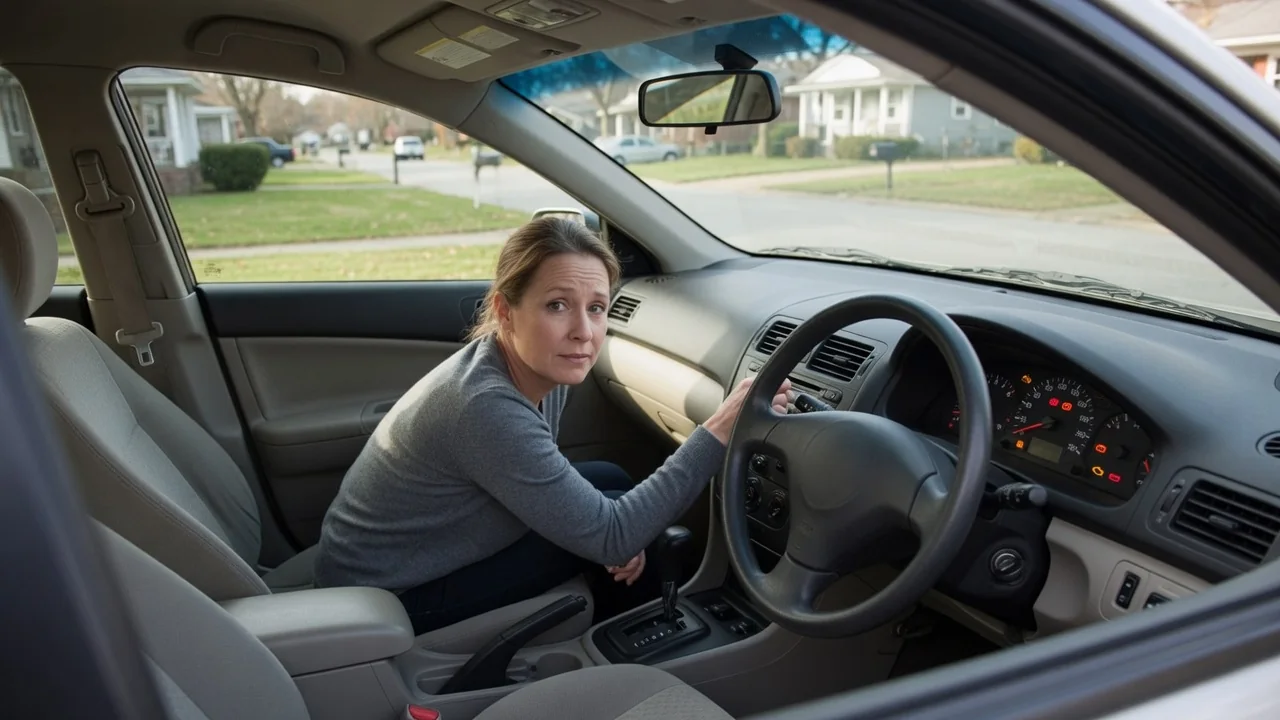
When a car refuses to start, the battery is the usual first suspect, often for good reason. Yet the same symptoms can come from a drained but healthy battery, a loose connection, a charging fault, or a starter problem. Knowing what to observe, what to leave alone, and which tests settle the question helps you move from guesswork to a confident repair decision.
What a Dead Battery Can Look Like at Startup
Drivers usually call a battery dead when it can no longer supply enough power to crank the engine. That describes the moment, not necessarily the battery's long-term condition. A battery flattened by a dome light left on overnight may recover fully after proper charging, while one with worn internal plates may never hold enough charge again. The symptoms tend to look alike: the engine does not crank, rapid clicking comes from under the hood, dashboard lights appear dim, or accessories cut out when you turn the key or press the start button.
A common trap is assuming the battery is fine because the radio plays or the headlights glow. Those loads draw modest current, while the starter motor demands a large surge for a few seconds. A weak battery can run accessories comfortably yet collapse under starting load, which is why lights often dim sharply the instant you try to crank. The reverse can also mislead, because a corroded terminal, damaged cable, or other electrical fault can produce identical behavior with a capable battery. Symptoms narrow the possibilities but cannot confirm the cause.
Safe Observations to Make When the Car Will Not Start
Before calling for help, pay attention to what happens during a single start attempt. Does the engine turn over slowly, at normal speed, or not at all? Do the dashboard lights stay steady, dim, or flicker? Is there rapid chattering, one solid click, or silence? These details are genuinely useful to a technician. If the engine cranks at a normal speed but never fires, the battery is doing its main job, and the problem more likely involves fuel delivery, ignition, or engine management rather than stored charge.
If you want to look at the battery, do so only with the vehicle off, and observe without touching the terminals or tugging on cables. White, green, or bluish crusty buildup around the posts suggests corrosion that can restrict current flow and should be assessed by someone equipped to handle it safely. Some batteries sit under trim, in the trunk, or beneath a seat, so don't force access. A swollen or cracked case, leaking fluid, smoke, or a strong rotten-egg or sharp chemical odor means stop immediately and get professional help.
Early Signs a Battery May Be Losing Starting Capacity
Batteries rarely fail without warning. A starter that sounds lazier than it used to, especially over several mornings in a row, suggests the battery may be losing its ability to deliver strong current. Starts that become inconsistent, fine one day and hesitant the next, point the same direction. Cold weather often exposes this weakness, because low temperatures slow battery chemistry while thickened oil makes the engine harder to turn. A cold-morning struggle is a good reason to get the battery tested, though it does not by itself prove replacement is needed.
Needing a jump or portable booster more than once is a stronger signal. Even if the car runs normally afterward, repeated assistance means something is not keeping the battery adequately charged, whether that is the battery's own capacity, an electrical drain, or the charging system. Battery age helps frame the picture, since older batteries have generally endured more heat and charge cycles, but age alone is not a diagnosis. A fairly new battery can be damaged by deep discharge, and an older one can still test healthy, so testing should drive the decision.
Why a Battery Can Become Drained or Keep Going Flat
Several everyday situations can leave a battery without enough charge to start the engine. Headlights, interior lights, or a plugged-in accessory left on for hours are classic culprits. Parking for weeks allows the battery to slowly lose charge through self-discharge and the small standby loads modern vehicles maintain for computers, alarms, and keyless entry. Repeated short trips can also fall short, because each start consumes energy and a brief drive may not give the charging system enough time to replace it, particularly with heavy electrical loads running.
A drained battery is not automatically a ruined one. Many can be recharged, but whether the battery then holds that charge and delivers adequate starting current still has to be checked. If the car keeps going flat without an obvious reason, an unexplained parasitic drain or a charging-system fault could be responsible, yet neither can be confirmed from symptoms alone. Keep simple notes on how long the car sat, which accessories were used recently, and whether the problem returned after charging. Those details help a technician decide which circuits deserve a closer look.
When Starting Symptoms Need Charging-System or Starter Testing
A battery-shaped warning light that comes on while the engine is running usually signals a charging-system concern rather than a verdict on the battery itself. The charging system is supposed to power the vehicle and replenish the battery while driving, so a fault there can leave even a healthy battery depleted. A single click with no cranking, or no response at all, is inconclusive. It might reflect low charge, a poor terminal or cable connection, or a starter-circuit problem, which is why testing all three beats replacing parts on assumption.
If the engine stalls, the dashboard flickers, or electrical features start failing while you drive, treat it as urgent. Steer to a safe stopping place as soon as you can and arrange assistance rather than pushing on, since lighting and other systems may be affected. A shop can then run a battery load or capacity test, check charging-system output, and inspect the starter circuit and connections. A resting voltage reading can hint at state of charge, but it cannot reveal whether the battery will hold up under the heavy demand of starting.
What to Do Next After a Suspected Dead Battery
Once you suspect a dead battery, safety comes first. Make sure the vehicle is somewhere safe, away from traffic if possible, and use the hazard lights if they still work. Avoid cranking over and over, since each attempt drains what little charge remains and adds strain to starting components. If you are stranded, roadside assistance is often the most sensible call. Before any jump start or charger is connected, check the owner's manual, because some vehicles specify particular connection points or procedures, and hybrids may have special requirements.
Getting the engine running with help is a relief, but it does not prove the battery is healthy. Nor should you count on a drive to fully recharge it, because the charging system is designed mainly to maintain a battery rather than restore one that was deeply discharged, and a short trip may leave it well below full. The better step is to have the battery properly charged and then tested. That result shows whether replacement is warranted or whether a drain, poor connection, or charging fault needs correcting first.