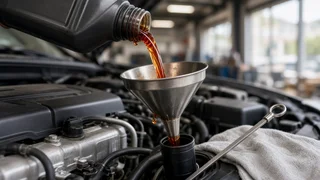
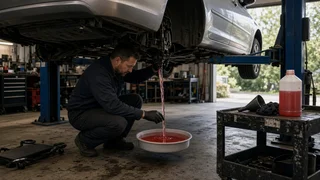
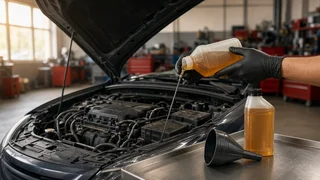
Signs that your car needs transmission fluid

A transmission that begins to hesitate, slip, or emit unusual noises may not be failing outright. Often, the automatic transmission fluid level has dropped below the range the hydraulic system needs. This article explains the most common signs that your car needs transmission fluid and what those clues reveal about transmission type, shift behavior, and service history. Recognizing the warning signs early can help prevent an intermittent shift complaint from turning into a much more expensive repair.
Essential answer
The essential answer is that a car may need transmission fluid when shifting becomes delayed, harsh, or uncertain. On an automatic transmission, low fluid reduces hydraulic pressure, so the transmission may hesitate before engaging Drive or Reverse, flare between gears, or slip under load. A manual transmission may become harder to shift or produce more gear noise. Any persistent change in shift behavior is a reason to check the fluid level and condition before assuming the unit has an internal fault.
Fluid level should be interpreted with the transmission type and fluid specification in mind. Some vehicles use a dipstick, while others require a specific fill-level procedure with the fluid at a controlled temperature. In all cases, the fluid level is a diagnostic clue, not a standalone proof of failure. Dark or burnt-smelling fluid can support a low-fluid or overheat concern, but it does not confirm which component has failed. Diagnostic codes may help, yet manufacturer-dependent definitions require confirmation for the specific vehicle.