Should an Inner CV Joint Have Play?
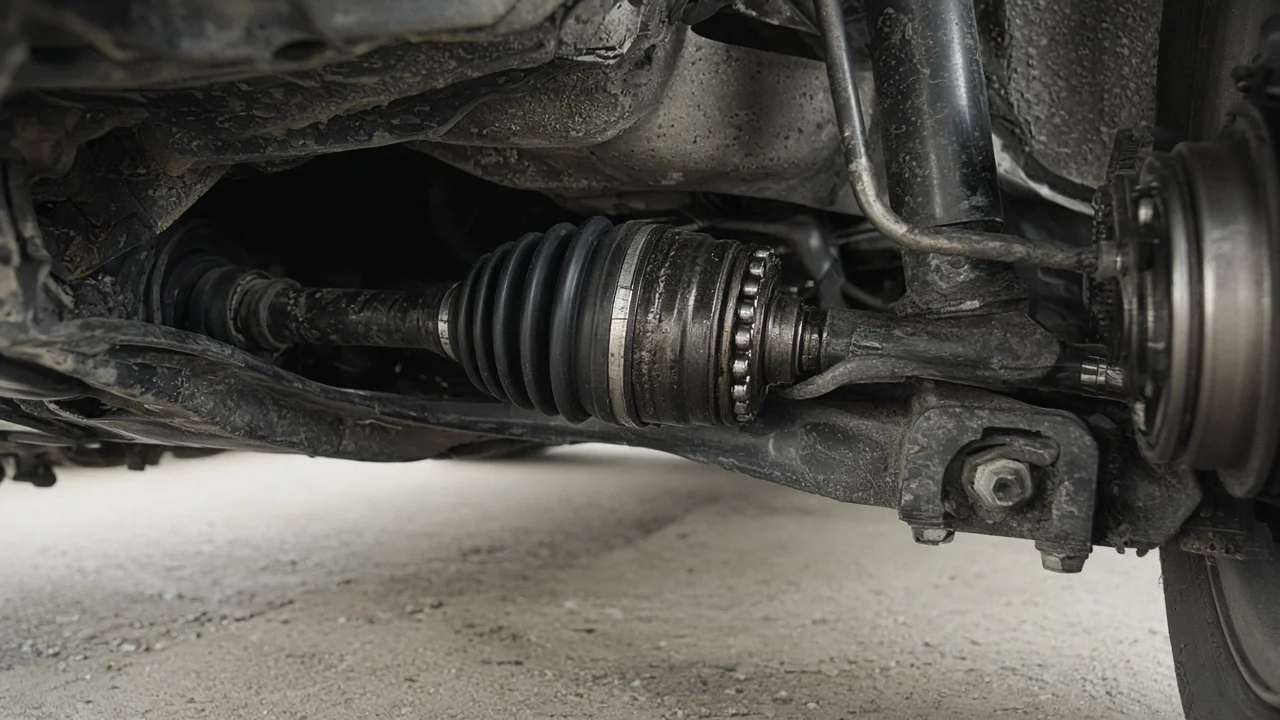
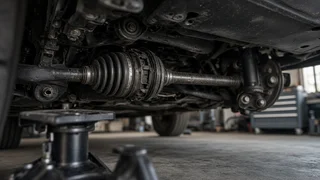
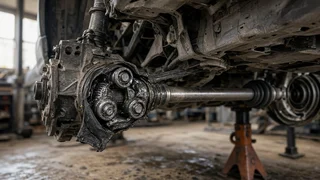
A small amount of movement in an inner constant velocity joint can be normal, but the type, direction, and feel of that movement matter more than the fact that it exists. In many front-wheel-drive and all-wheel-drive vehicles, the inner joint is designed to slide slightly along the axle shaft as the suspension moves through its travel. This plunge motion accommodates changes in shaft length during articulation and drivetrain loading. However, rotational slack, clicking, or excessive radial looseness is not normal. The distinction usually comes down to whether the play occurs along the joint's intended sliding axis or across a worn bearing surface.
Essential answer
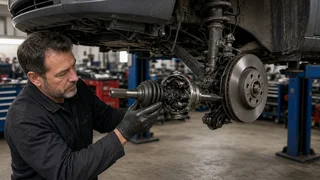
Yes, a specific kind of play is usually acceptable in an inner CV joint. The joint must allow the axle shaft to change effective length when the suspension compresses and rebounds, and this is accomplished through a plunging mechanism inside the joint housing. If you grasp the shaft and feel a slight in-and-out movement along its length, that can simply be the designed clearance in the tripod or ball-type inner joint. This movement should feel smooth and limited, without hard metallic contact at either end of its travel.
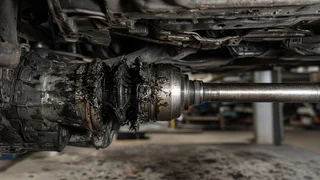
By contrast, rotational play between the shaft and the joint, or movement felt when twisting the axle back and forth, often indicates wear in the internal tracks, rollers, or spline fit. A worn retaining clip can also let the joint walk on the shaft. Radial play, where the shaft can be wiggled up and down or side to side within the joint, typically points to failed rollers or a bell housing tolerance that has opened up. That kind of looseness can produce vibration under acceleration and should be investigated rather than dismissed as normal articulation.