Shop for Brake Calipers
The short answer
To buy the right brake caliper, match it to your exact vehicle: model year, trim, drivetrain, front or rear axle, and left or right side. Then choose between new or remanufactured units and between a bare caliper or a loaded one that comes with pads and hardware. Three conditions change this advice. If your vehicle has more than one factory brake package, the year and model alone may not be enough. If you are replacing a rear caliper with a built-in parking brake, the part and the installation are more involved. If the car is old or rare, check whether a direct-fit part still exists before planning the repair.
What a caliper does on your car
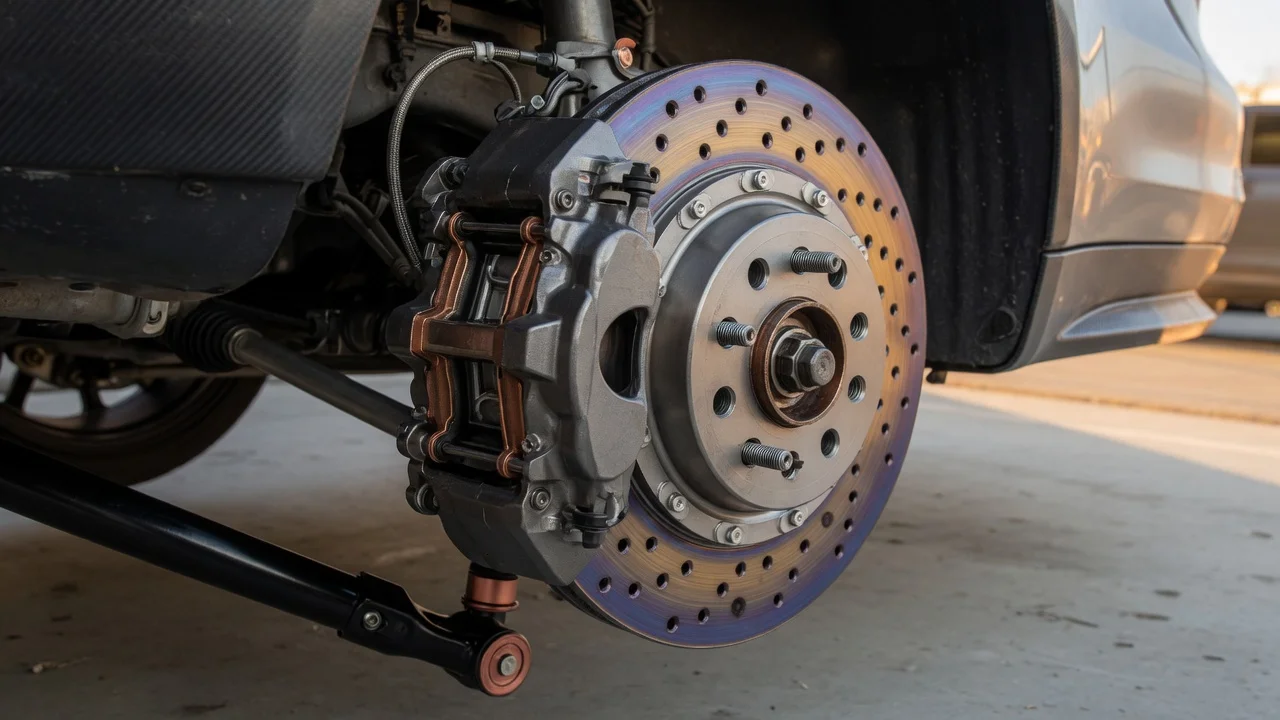
On a disc brake, the caliper is the clamp that sits over the brake rotor, the metal disc that turns with the wheel. When you press the pedal, hydraulic brake fluid pushes one or more pistons inside the caliper. The pistons squeeze the brake pads against the rotor, and that friction slows the wheel. Each disc-braked wheel has its own caliper, and it is usually mounted to a bracket bolted to the steering knuckle or axle.
Most passenger cars use floating calipers, which have pistons on one side only and slide on pins to clamp from both sides. Some performance and heavy-duty setups use fixed calipers, which have pistons on both sides and do not slide. Replace like with like unless you are doing a deliberate, matched brake upgrade.
Fitment details to confirm before you buy
Model year, make, model and trim, because brake packages often differ within a single model year. Drivetrain and market, since front-wheel drive, all-wheel drive and regional versions can use different brakes. Axle position: front calipers and rear calipers are not interchangeable. Side: left and right calipers are usually mirror images, with the bleeder screw positioned to point upward when installed. Rotor size and piston count, if your vehicle was offered with more than one brake size. Parking brake type at the rear: integrated into the caliper, or a separate drum-in-hat design inside the rotor. Hose connection, such as a banjo bolt or a threaded fitting, so the existing brake line attaches correctly.
Comparing your old caliper with the replacement before installation is the most reliable final check. Casting numbers, piston size and mounting points should match.
Choosing between caliper options
Option | What it means | When it makes sense; Remanufactured | A used caliper body that has been cleaned and rebuilt with new seals and often new pistons | Common for everyday repairs; may involve a core charge refunded when you return the old caliper; New | A newly manufactured caliper | Useful when remanufactured stock is unavailable or you prefer a fresh casting; Loaded | Caliper supplied with pads and mounting hardware already fitted | Saves matching separate parts and simplifies installation; Bare | Caliper body only, without pads or bracket | Suits buyers who already have new pads or want to choose them separately; With bracket | Caliper and mounting bracket supplied together | Helpful if the original bracket is corroded or damaged
Calipers are generally replaced in pairs on the same axle so braking force stays even from side to side. Replacing only one can be reasonable when the other side is nearly new and in good condition. Pads and rotors on that axle should also be inspected, because a seized caliper often damages them.
Related brake caliper parts
Not every caliper problem requires a full replacement. Rebuild kits with seals, dust boots and sometimes pistons are sold for many calipers. Slide pins and their rubber boots are available separately, and so are bleeder screws, banjo bolt crush washers and flexible brake hoses. A cracked or swollen brake hose can cause symptoms that look like a caliper fault, such as one wheel dragging. Whatever you replace, the hydraulic system will need fresh brake fluid of the type specified for your vehicle and a proper bleed to remove air.
Buying from a parts store such as AutoZone
Large parts retailers, AutoZone among them, typically let you look up calipers by entering your vehicle's details. The same fitment rules apply there: confirm the axle, side and brake package rather than relying on the year and model alone. Before buying, ask whether the listing is remanufactured or new, loaded or bare, and whether a core charge applies. Stock, pricing and warranty terms vary by store and over time, so confirm them at the point of purchase. This article cannot verify any retailer's current inventory.
Older vehicles: the 1985 Nissan Maxima rear caliper
For a car this age, start by confirming that your specific Maxima actually has rear disc brakes. Brake equipment on older models could differ by trim and market, and the information provided here does not establish which 1985 Maxima versions used rear discs. If your car has rear drums, you need wheel cylinders and shoes, not a caliper.
If it does have rear discs, check whether the parking brake works through the caliper. Integrated parking brake mechanisms make the caliper more complex, and the piston often has to be wound back into the bore rather than pushed. Direct-fit availability for vehicles of this vintage is not confirmed here. If a ready-made replacement is hard to find, rebuilding the original caliper with a seal kit or having it professionally rebuilt are common alternatives. Bring the old caliper, or clear photos of it, when shopping so the replacement can be matched visually.
Your next step
Gather your vehicle's year, trim, drivetrain and, if possible, its VIN. Inspect which caliper is failing and what condition the pads, rotors and hose are in. Then choose a part that matches on axle, side and brake package. Brakes are safety-critical. If you are not comfortable bleeding the system or servicing a parking brake caliper, have the installation done by a qualified technician.