Selectro Locking Hub Fitment: How to Choose the Right Hubs
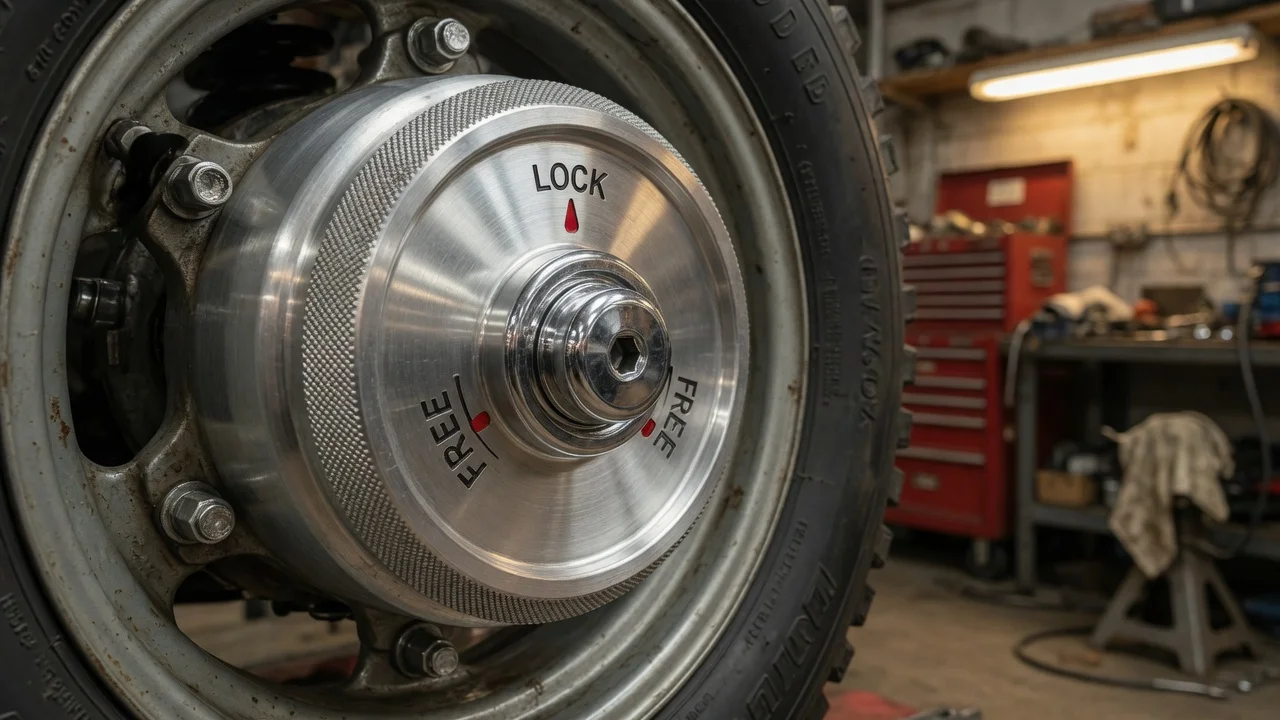
Selectro locking hubs replace the hub assemblies on many part-time four-wheel-drive front axles. They let the front axle shafts disconnect from the wheels when four-wheel drive is not needed. Fitment matters more than any feature list: a hub that does not match the axle shaft, spindle and wheel hub will not install correctly or may wear out early. This guide covers how to define the job, confirm compatibility, weigh features and plan for ownership before you narrow your choices.
Define the job the product must do
Start with how the vehicle is actually used. A truck that sees occasional snow and gravel roads mainly needs reliable engagement and a durable seal. A rig with larger tires, lockers and regular trail use puts far greater load on the hub internals. Also note whether your current hubs are factory manual hubs, factory automatic hubs or an aftermarket conversion. That determines what you are replacing and whether other parts come into play.
Practical constraints matter too. Consider how often you engage four-wheel drive and whether you are comfortable stepping out to turn a dial at each wheel. Think about the climate the vehicle operates in. Budget for related parts such as seals, gaskets and bearings, which are often worth replacing during the same job. Before shopping, write down the year, make, model, axle and drivetrain configuration so you are not guessing later.
Check compatibility
Locking hubs are matched to the axle, not just to the vehicle badge. The same model name can use different front axles across production years, cab configurations or payload ratings, and changes sometimes happen partway through a model year. Identify the axle model from its tag or housing markings where possible. Confirm whether the front axle is part-time with locking hubs from the factory, or a unit-bearing design that may need a conversion before conventional locking hubs can be fitted.
Several interfaces decide fitment: the spline count of the outer axle shaft, the number and pattern of studs or bolts holding the hub body to the wheel hub, the hub body diameter, and the spindle and bearing retention method. A hub that matches the bolt pattern but not the spline count will not engage the shaft. Check these details against the manufacturer specifications for the exact hub part number. A general vehicle application label is not enough on its own.
If the vehicle has been modified, check its service history for axle swaps, upgraded outer shafts or aftermarket wheel hubs. Any of these can change which hub fits. When records are incomplete, the most reliable way to confirm what is installed is a physical inspection with the existing hub cover removed.
Features that affect the choice
The main functional choice is between manual and automatic engagement. Manual hubs lock when you turn a dial on each wheel. Automatic hubs lock when four-wheel drive sends torque through the axle. Manual designs give positive, predictable engagement and generally have fewer moving parts. Automatic designs add convenience, but they can behave differently when reversing or under light load. Some hub designs offer both modes, so confirm the modes for a given Selectro part number in its own product documentation.
Look past broad labels such as heavy duty and focus on details you can verify. These include the materials of the inner drive gear and clutch ring, how the dial and body are sealed against water and dirt, whether a rebuild kit is available, and what hardware comes in the box. Clear specifications and complete installation instructions are more useful for comparing options than marketing language.
Limitations and ownership costs
Installation usually means removing the existing hub, cleaning the mating surfaces and fitting new gaskets or O-rings in the correct order. Some vehicles need specific snap rings, spacers or retainers. On certain designs the job disturbs the wheel bearing adjustment, so follow the vehicle's service procedure for bearing preload and torque values. Vehicles with unit-bearing front hubs may need a conversion kit and other parts beyond the hubs themselves, which adds cost and labor.
Ongoing ownership mostly means keeping water and dirt out and the internals lubricated. Inspect the hubs when you service the front wheel bearings and after deep water crossings. Follow your vehicle's maintenance schedule rather than assuming a universal interval. Locking hubs only connect or disconnect the front wheels from the axle shafts. They do not add traction, and they will not fix worn axle U-joints, damaged spindles or loose wheel bearings.
Build a practical shortlist
Narrow the field with a simple checklist. Confirm the axle model and production range, the spline count, the hub bolt or stud pattern and the body diameter. Decide whether you want manual, automatic or dual-mode engagement. Check which installation hardware, gaskets and instructions are included, whether rebuild parts are available, and what warranty terms apply. Note any additional parts your vehicle configuration requires so the total cost is clear before you order.
Compare only hubs that pass every fitment check, then weigh the remaining options against how and where you drive. Frequent mud, salt or water exposure favors good sealing and easy servicing. Larger tires and harder use point toward sturdier internals. If a listing leaves out a detail you need, ask the seller before buying rather than assuming the hub will fit.