Sedans, Hatchbacks, and 4-Door Cars with a Manual Transmission
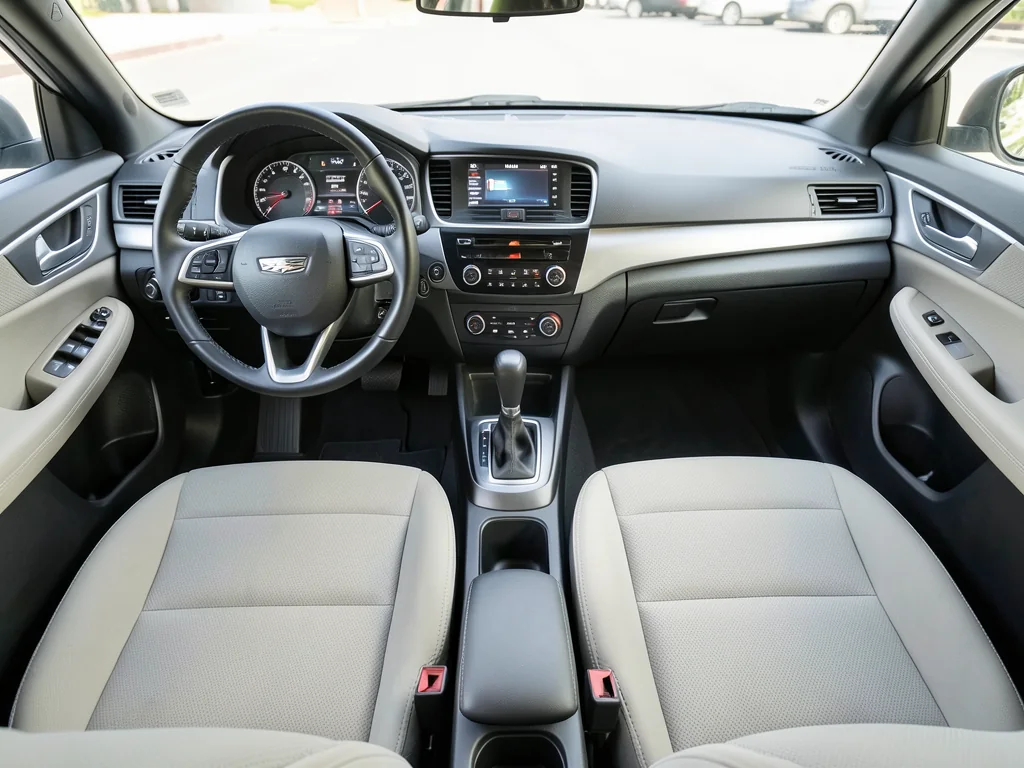
Practical four-door cars with a clutch pedal still exist, but stick-shift sedans and hatchbacks are easy to misidentify in listings. This guide covers how to confirm what is still sold new in the United States, which recent manual transmission sedans and hatchbacks are worth a search, and how to verify a six-speed manual before you travel or buy.
Confirm Which Manuals Are Still Sold New
Treat the United States as its own market and pin an availability date before calling any sedan with a manual transmission or hatchback with a manual transmission currently sold new. Factory offerings change by model year, and a car sitting on a lot may be leftover inventory rather than a car you can still order. Confirm the exact model year, trim level, and transmission line on the manufacturer’s current configurator or a dealer’s in-stock order, not on a brochure from a prior year.
A familiar nameplate does not mean every trim, or even the current year, still includes a clutch pedal. Civic, Jetta, Mazda3, Accord, and Integra have all mixed manuals and automatics across years, and a six-speed manual on last year’s sport trim does not prove this year’s base sedan or liftback still has one. Distinguish an orderable combination from unsold dealer inventory, and recheck the window sticker or build sheet so you are not shopping a stick-shift rumor attached to the wrong body style.
Manual Sedans to Put on Your Search List
Put the Honda Civic Si sedan, Volkswagen Jetta GLI sedan, Cadillac CT4-V Blackwing, and Cadillac CT5-V Blackwing on the sedan search list, then verify each model year and trim before treating any example as a stick-shift car. Those nameplates have been the practical and performance leads for a sedan with a manual transmission, but availability is trim-specific and can change. Confirm whether a given year is still sold new, is leftover new inventory, or is used-only, and keep the sedan body style explicit so a coupe or hatchback listing does not sneak in.
For recent used manual transmission sedans, investigate Honda Accord, Mazda3 sedan, and Subaru WRX years and trims that actually offered a clutch-operated gearbox, without assuming every Accord, Mazda3, or WRX has a stick shift. WRX sedans have continued to offer a six-speed manual on selected trims while Accord and Mazda3 sedan manuals are a used-market hunt tied to older model years. Record the verified year range and manual-equipped trim for each car you will search, then filter listings to that combination so four-door cars advertised as sporty automatics do not waste a trip.
Manual Hatchbacks and Liftbacks Worth Locating
On the hatchback and liftback side, investigate Honda Civic Type R, Toyota GR Corolla, Mazda3 hatchback, and Acura Integra manual configurations by model year and trim before describing them as available. Type R and GR Corolla are performance hatches whose manuals are trim- and year-dependent; Integra may be listed as a liftback or five-door even though it has four passenger doors; Mazda3 hatchback manuals, when they exist, are not the same offering as Mazda3 sedans. Give each verified entry a year, trim, and new-or-used status so a listing search is specific.
Recent used Volkswagen Golf GTI, Golf R, Ford Focus ST, and Fiesta ST examples belong on the list only for United States model years that actually offered a clutch pedal. Those hot hatches mixed manuals and dual-clutch or automatic gearboxes, and a GTI or ST badge is not proof of a stick. Listings often call a four-passenger-door hatch a five-door because the cargo opening counts as a door, so match photos to hatchback or liftback body style, then search the confirmed years and trims rather than every Golf, Focus, or Fiesta on the lot.
Check Four-Door Practicality in Person
Four passenger doors describe how people get in, not whether the car has a manual transmission or a trunk versus a hatch. Manual transmission 4 door cars include sedans, hatchbacks, and liftbacks, and a four-door layout does not tell you cargo-opening design or whether a clutch pedal is present. When you visit, check rear-seat access and whether the seat, headroom, and door opening work for the passengers you actually carry, because a compact sport sedan and a small hot hatch can feel very different in back even when both have four doors.
Load the cargo area with the bags, strollers, or work gear you use and confirm how the rear seats fold on that vehicle, not on a brochure photo. A sedan’s trunk and a hatchback’s liftgate change how tall items go in, and folding arrangements vary by trim. While parked, sit in the driving position, confirm clutch-pedal reach, and find the shifter without stretching before any authorized test drive. If the pedal is a stretch or the lever is blocked by a console, that car may be a poor daily fit even if the listing is a genuine stick-shift four-door.
Find Listings That Actually Have a Clutch Pedal
Start every search with the transmission filter, then narrow by the verified model year, trim level, body style, and a travel radius you will actually cover. Manual transmission sedan and hatchback filters still mix in dual-clutch cars, automatics with a gated shifter, and wrong-year trims, so treat the first result page as a candidate list. Request clear photos of the shifter and the pedal area; a third pedal is the evidence that matters, and stock photos or a “manual mode” line in the description are not enough.
Paddle shifters and an automatic’s manual mode do not establish a clutch-operated manual transmission. Those controls let the driver select gears without a clutch pedal, and they appear on many sport sedans and hatchbacks that will never have a stick. Before you travel, ask the seller to confirm the car is still available and to state the transmission in plain terms, then match that answer to the window sticker, build sheet, or other vehicle-specific equipment documentation if the listing remains ambiguous.
Inspect a Used Manual Before Committing
On a used stick-shift sedan or hatchback, review service records and ask about clutch work, transmission repairs, modifications, and how the car was used, without treating a enthusiast-owned car as abused. A documented clutch replacement is information, not a verdict on the rest of the driveline, and a quiet history is not proof that the next owner will have an easy bill. Look for consistency between the odometer, records, and the seller’s story, and note gaps rather than guessing at a failure from a single invoice.
During a normal, authorized test drive, pay attention to difficult engagement, unexpected noises, vibration, or a clutch that grabs, slips, or takes an unusual amount of pedal travel, and treat those signs as reasons for diagnosis rather than proof that a specific part has failed. Do not perform aggressive clutch tests, forced shifts, or any work under an unsupported vehicle. If anything is unclear, schedule an independent prepurchase inspection and have a shop diagnose concerns, then get a written repair estimate before you commit.