Sedan Cars Meaning: What a Sedan Is and How It Differs From a Coupe
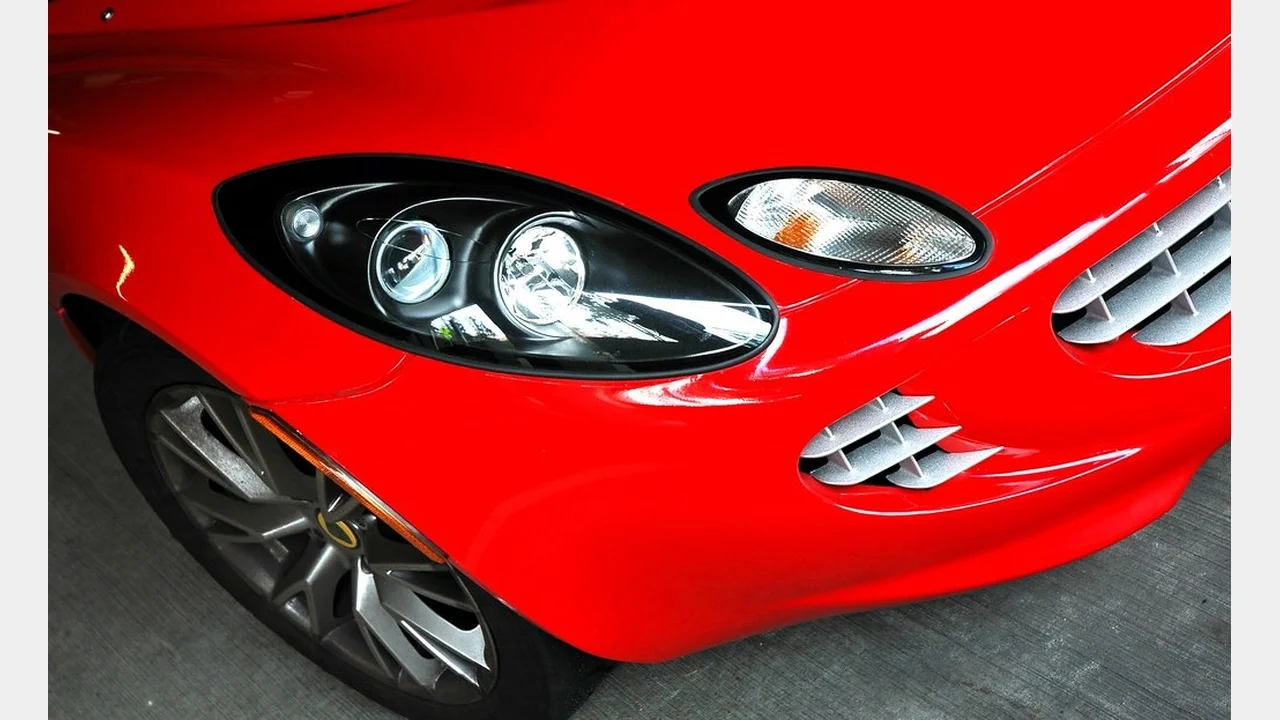
A sedan is a passenger car with a fixed roof, seating for four or more people across two rows, and a trunk that is separate from the passenger cabin. Most sedans have four doors. The defining trait is not the door count alone but the layout: the cargo area sits behind a fixed rear window and opens with a trunk lid that does not include the glass. The definition has gray areas, though. Carmakers stretch body-style names for marketing, so a car's badge or brochure does not always match the traditional meaning.
How to Identify a Sedan
Designers often describe a sedan as a three-box shape. Seen from the side, the car divides into three distinct volumes: the engine compartment at the front, the passenger cabin in the middle, and the trunk at the rear. On most front-engine cars the hood, the roofline and the trunk lid form a stepped profile. That step is why a conventional sedan is also called a notchback.
Fixed metal roof (not a soft top or removable panel); Two rows of seats with usable adult space in the back; Usually four side doors, with a pillar between the front and rear doors; A rear window fixed to the body, not lifting with the cargo opening; A trunk lid hinged below the rear window that opens only the cargo compartment
The word comes from the sedan chair, an enclosed seat carried on poles. In British English the same body style is usually called a saloon. In the US, sedan is the standard term, and it covers everything from small compact cars to large luxury models.
What the Sedan Layout Means in Daily Use
The separate trunk has practical consequences. Cargo is hidden from view and sealed off from the cabin. That helps keep luggage out of sight, and it can reduce the road and cargo noise reaching passengers compared with an open hatch area. The cabin also stays at a steadier temperature when the trunk is opened, because outside air does not flood the passenger space.
The trade-off is cargo flexibility. The trunk opening is limited by the rear window above it, so bulky or tall items can be harder to load than in a hatchback or wagon. Many sedans offer fold-down rear seatbacks or a pass-through, but how well these work varies by model.
Four doors make the rear seats easy to reach. That matters for regular rear passengers, child seats and older riders. A rear roofline that stays relatively high also tends to leave more rear headroom than a steeply sloped design, although this depends on the specific car.
Sedan vs Coupe
A coupe is traditionally a fixed-roof car with two doors and a sportier, lower or more sloping roofline. Many coupes have rear seats, but they are usually tighter and harder to reach. Some coupes are strictly two-seaters. To make rear entry possible, coupes generally use longer front doors and front seats that fold or slide forward.
Feature | Sedan | Coupe; Doors | Usually four | Traditionally two; Rear seat access | Direct, through rear doors | Through the front doors, past folded front seats; Rear passenger space | Generally more headroom and legroom | Often reduced or occasional-use only; Roofline | Higher, with a defined step to the trunk | Lower or more sharply sloped; Door length | Shorter individual doors | Longer doors that need more room to open in tight parking spaces; Main priority | Everyday practicality and passenger comfort | Styling and a sportier character
Coupes are also often positioned as sportier versions of a model line, sometimes with different tuning or engine options. That pattern is not universal. A coupe is not automatically faster or better handling than its sedan counterpart, so compare the specific trims you are considering.
Why the Lines Blur: Four-Door Coupes, Fastbacks and Liftbacks
Several modern designs mix sedan and coupe traits, and that is the main source of confusion.
Four-door coupe: a marketing term for a car with four doors and a low, sweeping coupe-like roof. By traditional definitions it is a sedan with a sportier shape, usually with less rear headroom than a conventional sedan. Fastback sedan: a sedan whose roofline slopes smoothly to the tail instead of stepping down to the trunk, while keeping a separate trunk lid. Liftback or sportback: a car that looks like a sedan or fastback, but whose rear opening lifts together with the rear window. Functionally it behaves like a hatchback. Hatchback: a car whose rear door includes the window and opens into a cargo area shared with the cabin, often with a shorter rear overhang than a sedan.
The simplest test is to open the rear. If only a trunk lid rises and the rear glass stays in place, the car has a sedan-style trunk. If the glass lifts with it, it is a hatchback or liftback, whatever the marketing calls it. Note also that US fuel-economy size classes, such as compact or midsize, are based on interior volume rather than body style. A compact sedan and a compact hatchback can share a class while having quite different shapes.
Choosing by Situation
Regularly carrying adults or children in the back: a sedan's rear doors and rear headroom are the stronger fit. Installing and using child seats often: four doors make buckling in easier, especially in tight parking spots. Mostly driving alone or with one passenger, with a priority on looks: a coupe can make sense if you accept a tighter rear seat and longer doors. Wanting luggage hidden and separated from the cabin: a conventional sedan trunk suits this well. Hauling bulky items such as bikes or furniture flat-packs: consider a hatchback, liftback or wagon over either a sedan or a coupe. Torn between sedan practicality and coupe styling: a four-door coupe or fastback sedan is a middle ground, but sit in the back seat before buying to check headroom.
Key Takeaway
In practical terms, a sedan is a fixed-roof, two-row car with a separate trunk and usually four doors, built around passenger access and everyday usability. A coupe trades some of that practicality for style, typically with two doors and a smaller rear seat. Because manufacturers apply these labels loosely, judge a car by its doors, its rear opening and its rear-seat space rather than by its name alone.