Second-Life EV Batteries: Used Packs for Home Solar Storage and Vehicle-to-Home
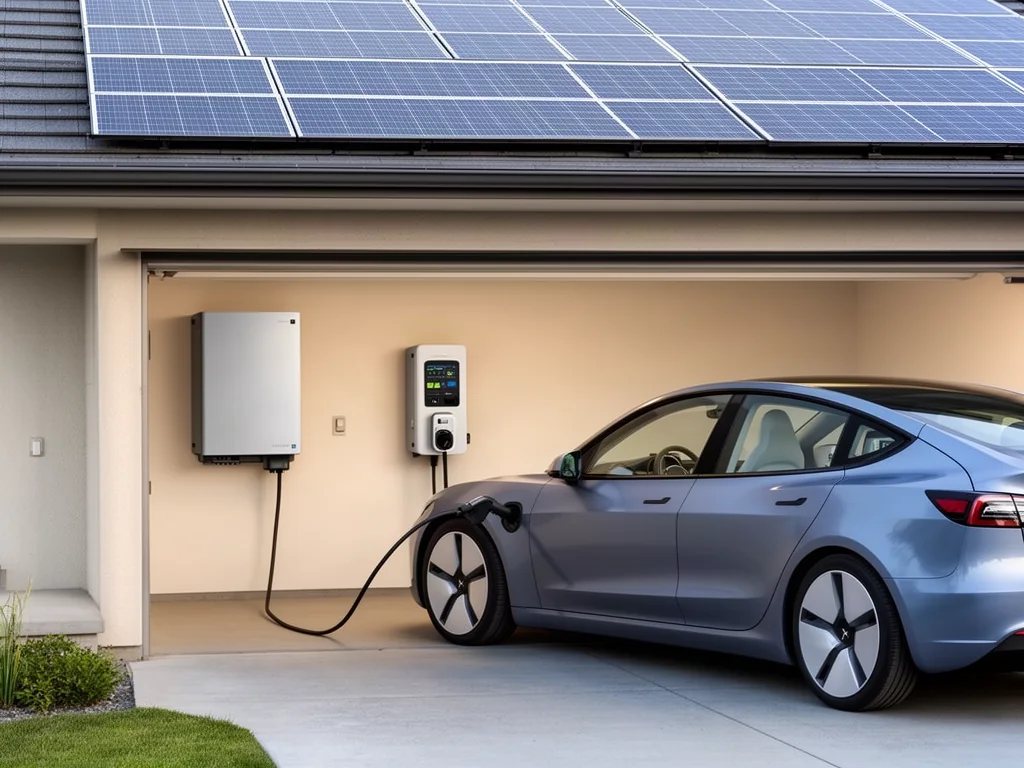
When an electric vehicle battery can no longer deliver the range and acceleration a driver expects, it often still holds enough capacity for less demanding work. Instead of going straight to recycling, the pack can serve in stationary roles like home solar storage or backup power. A used EV battery for home use turns a retired automotive part into a long-term energy asset. This guide explains what second life means, how packs are tested, and what owners should know before connecting a repurposed battery to their house.
What Second Life Means for an EV Battery After It Leaves the Car
A pack that fades to well below its original capacity may disappoint a driver who needs predictable range or rapid charging on the road. Yet the same battery can still store and release energy for a home, where loads are steady and full discharges are rare. An EV battery second life shifts the pack from a mobile, high-power role to a fixed, lower-stress role. Stationary storage asks less of the cells, so a retired pack can remain useful for years without the performance it once had in a vehicle. The exact retirement point is not universal, because chemistry, climate, and usage history all influence how much usable energy remains.
After the vehicle, a used pack typically follows one of three paths. Some packs are still healthy enough for reuse in another car, often as a replacement for a failed pack of the same type. Others go to repurposing, where the pack is dismantled and its modules or cells are rebuilt into a stationary storage system with new controls and safety hardware. Finally, packs that are heavily degraded, damaged, or uneconomical to repurpose are sent directly to lithium-ion recycling. The choice depends on battery chemistry, physical condition, service records, and how the original manufacturer designed the pack for disassembly.
How Used EV Battery Packs Are Tested, Graded and Repurposed
Before a retired battery enters the second-life market, technicians assess its state of health. That process measures remaining capacity against the original rating, checks internal resistance as a sign of aging, and verifies that all cells stay balanced under load. They also look for swelling, corrosion, coolant leaks, and any record of crash or water damage. A used pack that tests well can still be unsuitable for home use if its history is unknown. Reputable sellers grade each module, document the results, and reject anything with an unclear past. Buyers should ask for test reports, vehicle origin, and a warranty covering the repurposed product.
Repurposers rarely install a pack exactly as it came out of the car. The original battery management system, high-voltage contactors, and cooling loops are designed for automotive conditions, not a garage. Instead, specialists open the pack in a controlled environment and rebuild the modules with a new management system, protective enclosure, thermal controls, and safety disconnects. This work is never a home task. High-voltage packs can deliver a lethal shock, and a shorted cell can start a fire. Only qualified technicians with proper tools should open, split, or rewire these assemblies. Homeowners must treat any used pack as dangerous until a professional has repurposed it.
Pairing a Used EV Battery With Solar Storage: Realistic Expectations
A used EV battery for solar storage can capture daytime generation for evening use or provide backup during an outage. Solar panels charge the battery through a charge controller, while an inverter converts the stored DC energy to AC for the home. The battery management system watches voltage, temperature, and current to keep the cells safe. Repurposed packs are not plug-and-play, however. The battery voltage range, communication language, and charging profile must match the inverter and charge controller. Equipment makers and experienced installers must confirm compatibility before a system is designed or purchased; otherwise the battery may be damaged or the system may refuse to operate.
Compared with purpose-built home batteries, repurposed EV packs often lack complete documentation, a single responsible manufacturer, and clear support if something fails. Certification for residential use may be absent, which can complicate permits, grid connection, and insurance. Expected remaining life depends on the pack's road history and how it is cycled at home, so buyers should view longevity claims with caution. Electrical codes and interconnection rules vary widely by country and utility. Outside the US, including in the UK, homeowners must check local requirements and use approved installers before connecting any second-life battery to their solar system.
Using a Used EV Battery for Home Power: Safety, Permits and Insurance
Large lithium-ion batteries in a home bring real hazards. A damaged cell or a failed management system can cause thermal runaway, producing intense heat, toxic smoke, and a fire that is hard to extinguish. High-voltage terminals can deliver a lethal shock, so accessible wiring must be inside listed enclosures with proper labeling. Placement matters too: the site must stay dry, avoid temperature extremes, and allow clearance for cooling and emergency access. Using a salvaged car pack without a new enclosure and certified protection systems is not a legitimate home storage solution. Certified products have been tested to recognized safety standards, and installers pull permits and arrange inspections.
Building a battery system from salvaged modules is not a homeowner project. Uncertified DIY setups can lead to insurance denial after a fire and may have to be removed before the house is sold. Once a system is professionally installed, owners should watch for warning signs: unexpected error messages, unusual heat from the enclosure, swelling, strange odors, or new buzzing. In any of these cases, follow the manufacturer's shutdown procedure and call a qualified technician. A licensed electrician and experienced storage installer must handle all wiring and equipment; improvisation with high-voltage batteries is never acceptable.
How Vehicle-to-Home Lets an EV Battery Power a House
Vehicle-to-home, or V2H, lets an electric car's battery power the house by reversing the normal charging flow. The car needs a bidirectional onboard charger that can send DC power back to an external inverter, which then feeds the home's AC panel. This differs from vehicle-to-grid, where the car exports power to the utility for grid services, and from vehicle-to-load, which uses a simple outlet to run a few devices. With V2H, the vehicle becomes a whole-home backup source, but only if the car, charger, and home electrical system are designed to work together and safely disconnect from the grid during an outage.
Not every electric car supports bidirectional charging, and the feature can vary by model year, trim, charging standard, and software version. Owners must confirm capability with the automaker and the charger manufacturer before relying on it for backup. Practical concerns include keeping enough range for daily driving, understanding any warranty limits on extra cycles, and obtaining utility approval for the interconnection. Improvised connections such as backfeeding a home through an outlet are dangerous and illegal because they can energize utility lines and injure line workers. A licensed electrician must install an approved transfer switch and bidirectional charging equipment.
What Happens After Second Life: Recycling and Responsible Disposal
Eventually a repurposed battery reaches the end of its useful storage life. Capacity drops below what the household needs, or internal resistance rises so much that the system becomes inefficient. At that point the modules and cells must enter an authorized recycling stream, never the regular trash or an unverified scrapyard. Lithium-ion recycling recovers valuable metals such as lithium, cobalt, nickel, and copper, reducing the need for new mining. Facilities can safely discharge, shred, and separate pack materials, but collection and transport of large batteries are tightly regulated because a damaged or shorted pack is a serious fire hazard.
Before buying a second-life storage system, ask the seller or installer about take-back or recycling at the end of service. Some repurposers build return logistics into the purchase, while others leave disposal to the owner. Regulations for shipping and recycling large lithium-ion batteries differ by country and region, so what works in one place may not work in another. Homeowners should check with local waste authorities or certified recyclers to learn accepted options. Responsible planning for the pack's final stage is part of choosing a used EV battery for home use.