Seat Belt Warning Light or Chime Stays On: Causes, Checks and Disabling Risks
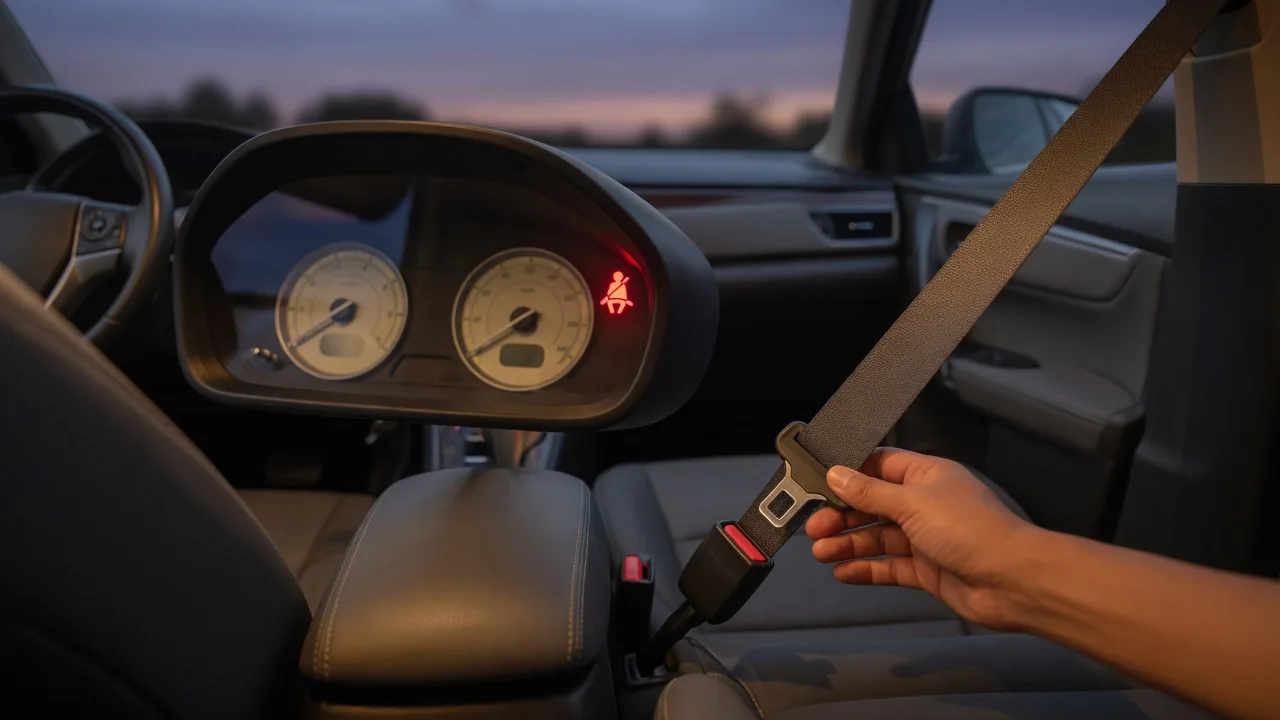
A seat belt warning light or chime that keeps going after you buckle up is more than an annoyance. It often sends drivers searching for how to disable the seat belt chime or disconnect the alarm. Before you reach for a quick fix, it helps to understand how the seat belt reminder works, what can make it misbehave and why silencing it can create bigger problems in the restraint system.
How the Seat Belt Reminder Light and Chime Decide When to Warn
Most seat belt reminders work from a simple input. A buckle switch inside the latch tells the vehicle's electronics whether the tongue is seated. For the front passenger, many vehicles add a seat occupancy sensor or passenger occupant detection system so the warning triggers only when someone is actually sitting there. Designs differ widely, though. Some vehicles use a weight-sensing mat, others a pressure switch, and some older models monitor only the driver's buckle, so no single explanation fits every make, model and year.
A common pattern is a brief light and chime at startup, followed by a stronger warning once the vehicle is moving, though timing and duration vary by manufacturer. A reminder that goes quiet the moment you buckle is normal operation. A seat belt warning light that stays lit after the belt is latched is different, because it suggests the system isn't getting the signal it expects. Your owner's manual explains what each icon and instrument cluster warning message means for your specific vehicle.
Why the Warning Stays On Even After You Buckle Up
The simplest cause is a seat belt buckle that isn't latching fully. Crumbs, coins or sticky residue in the buckle opening can keep the tongue from seating completely, so the switch doesn't register the belt even when it seems to hold. A buckle switch can also wear out or stop reporting correctly. On the passenger side, a purse, grocery bag, child seat, pet or heavy box can register as an occupant in vehicles that detect seat occupancy. That can set off the passenger reminder with nobody in the seat.
Wiring and connectors under the seats have a hard life. They flex every time a seat slides and collect dirt from the floor, so a loose connection can cause intermittent warnings, especially after seat adjustments. Some vehicles monitor the rear seats too, which means the warning might refer to a seat other than the driver's. These possibilities are worth knowing, but symptoms alone can't confirm which component is at fault. Only proper testing can tell a dirty buckle from a failed switch or a wiring problem.
Safe Checks Drivers Can Do Without Tools
Start with the belt itself. Push the tongue into the buckle until you hear a firm click, tug to confirm it holds, then press the release to make sure it lets go cleanly. Watch the instrument cluster as you latch and unlatch the belt. If the light responds each time, the buckle circuit is probably working. Next, clear everything off the passenger seat and see whether the passenger reminder stops. This one step clears up many false warnings caused by occupant detection.
Shine a flashlight into the buckle opening and look for visible debris, without probing or prying. Also check whether the strap is twisted or slow to retract. Note when the problem shows up, such as after moving the seat, on rough roads or in hot or cold weather, because those details help a technician narrow things down. Don't poke into the buckle with metal objects, spray lubricants inside it or disturb the wiring under the seats. Each of these can damage parts or create new faults.
Can You Turn Off the Seat Belt Chime? What Owners Should Know
Many drivers search for how to disable the seat belt chime, but whether it can be adjusted depends entirely on the vehicle. Check the owner's manual and the vehicle settings menu rather than assuming the option exists. On some models, a dealer or qualified shop may be able to change certain reminder settings through dealer configuration using diagnostic equipment. Other manufacturers don't allow it at all. Confirm what applies to your exact make, model and year before you expect any change to be possible.
If the chime keeps sounding even though everyone is buckled, silencing it hides a fault instead of fixing it. The right repair targets the buckle, sensor or wiring that is sending the false signal, and it also restores a warning you may need later. The reminder exists for a reason. Unbelted occupants face a much higher risk of serious injury or ejection in a crash, and seat belt use is required by law in most US states. A working reminder protects passengers who forget to buckle up.
Why Disconnecting the Seat Belt Alarm Wiring Is a Bad Idea
Looking up how to disconnect the seat belt alarm often leads people to the wiring under the seat, which is exactly where the risk is. In many vehicles, seat belt and seat wiring sits near connectors for side airbags, the belt pretensioner and other restraint system parts. Disturbing those harnesses can turn on the airbag warning light. Unplugging or cutting connectors can also set stored fault codes and may disable related safety functions until the system is properly repaired and the codes are cleared.
On some vehicles, passenger occupant detection also affects how the passenger airbag behaves, so tampering can do more than silence a chime. A disturbed sensor could leave the airbag in the wrong mode for the person in that seat. Damaged wiring also usually costs more to diagnose later than the original fault would have. A modified restraint circuit can raise questions during inspections, warranty claims or insurance claims as well. Bypassing, jumpering or disconnecting any seat belt or restraint circuit is not a safe shortcut.
When the Seat Belt Warning Needs Professional Diagnosis
Take the vehicle to a shop if the warning stays on with the belt buckled, if an airbag or restraint warning appears with it, or if a belt doesn't latch or retract properly. Technicians can read restraint-related fault codes and test buckle switches, seat sensors and wiring with the right equipment, following the safety procedures that airbag systems require. A code is evidence to interpret, not proof that a specific part has failed, and what a code means can vary by manufacturer.
Reading those codes correctly takes manufacturer-specific information, because test procedures and sensor designs differ between makes and models. Before your appointment, check for open recalls or service bulletins through official channels using your VIN, since a known issue could change the repair approach or who pays for it. Whatever the cause turns out to be, seat belt and airbag components should be serviced only by trained technicians who can confirm the system works correctly afterward.