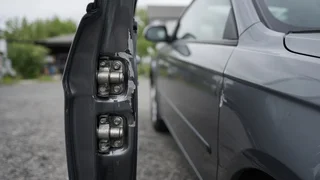
Scissor Door Hinges for Car
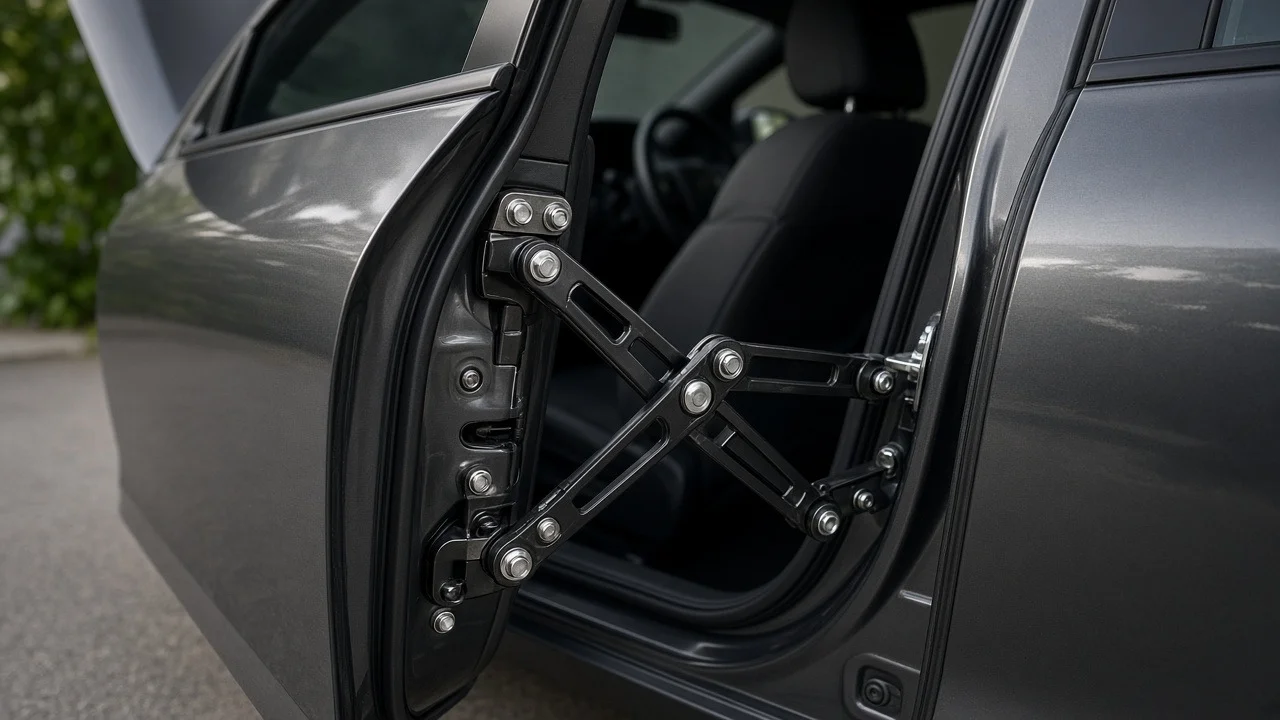
Choosing scissor car door hinges means selecting a conversion that changes how a vehicle opens, closes, and seals, rather than simply replacing a worn factory part. The central question is whether a given hinge kit can fit your chassis and function with the latch, strut, actuator, and weather seal. Because these assemblies transfer the door’s entire weight through modified mounting points, the buyer should weigh vehicle fitment, alignment movement, and structural load path before purchase. The direct answer below focuses on what materially changes this decision for a standard car door.
The direct answer
Scissor car door hinges are only a reasonable purchase when the specific kit is engineered for the target vehicle and the buyer accepts that the door no longer swings outward on its original arc. For most cars, the stock hinge mounting face is not designed for the severe vertical load created during scissor operation, so a universal set rarely works without significant reinforcement. The suitable purchase is therefore a vehicle-specific or professionally adaptable solution that preserves latch engagement and allows the door to close flush against the weather seal.
The condition that most often defeats this conversion is a conflict between the new motion path and the existing body opening. As the door rises, its lower edge can strike the rocker or fender unless the hinge pivot is correctly positioned. There is no single universal answer because the roof line, door mass, and inner structure vary widely. A set sold as “scissor car door hinges” should be treated as a major body modification, not a bolt-on accessory, until the alignment and mounting points are confirmed for that exact car.