Sandbags in the Trunk for Winter Traction: Do They Help and Where to Place Them
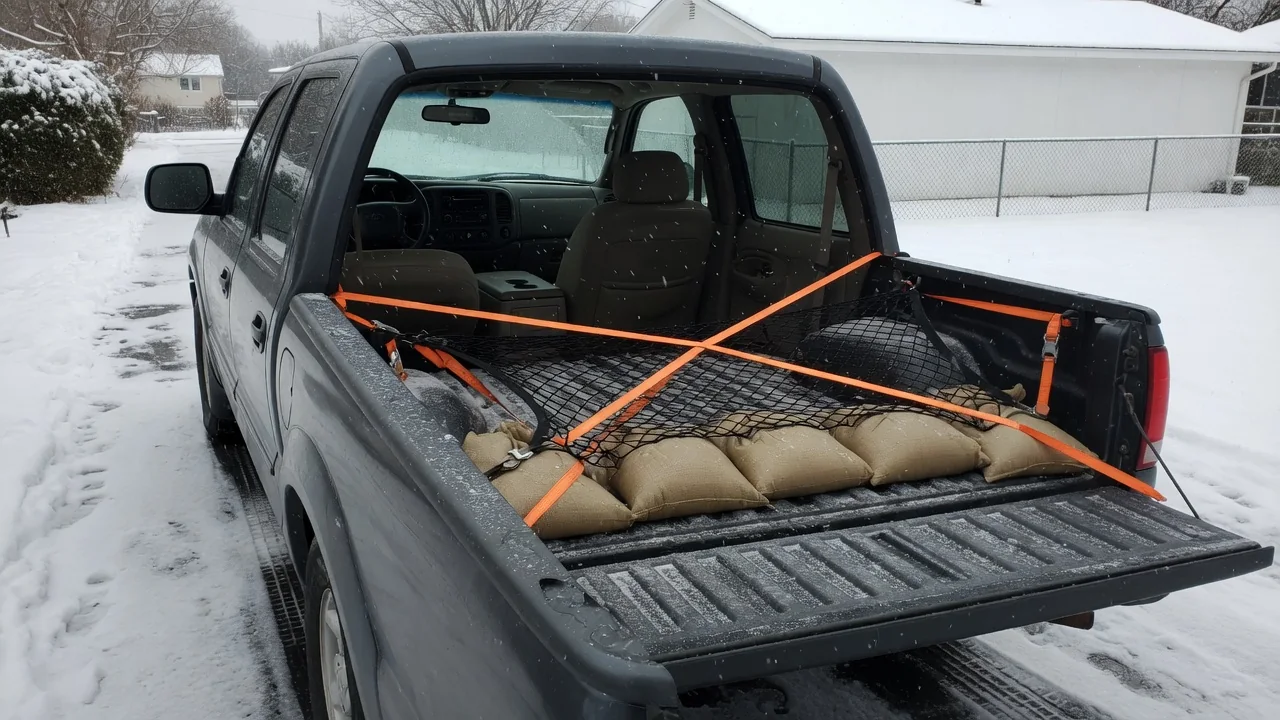
Adding sandbags for winter driving is a common way to improve traction when roads turn slick. The idea is to put weight over the driven axle so the tires press harder into snow and ice, helping the vehicle get moving and climb hills. But where those sandbags go, how much weight you add, and how well they're secured all affect whether ballast actually helps or creates new hazards. For many rear-wheel-drive cars and empty pickups, a modest load of sand in the right spot can make a real difference; for front-wheel-drive cars, it's often not worth the trouble.
Why Extra Weight Can Improve Grip on Snow and Ice
Extra weight over the driven wheels increases the downward force on the tires, which can help them bite into a snowy surface instead of sliding over it. That's why a loaded pickup often starts moving from a standstill in snow more easily than an empty one: the rear tires have more pressure against the ground, so they have a better chance of finding grip. This effect is most useful for initial acceleration and for climbing moderate grades, where the engine needs to push the car forward without spinning the wheels.
However, ballast doesn't improve braking or steering on ice, and it may actually make those tasks worse. The added mass gives the vehicle more inertia, so it takes longer to slow down and can be harder to turn. Stopping distances on slick roads depend mainly on tire friction, and a few sandbags won't increase grip enough to offset the extra momentum. Good winter tires and a gentle driving style remain far more important than trunk weight for staying in control.
Which Drivetrains Benefit: Rear-Wheel Drive vs. Front-Wheel and All-Wheel Drive
Rear-wheel-drive vehicles benefit the most from trunk ballast because they carry most of their weight up front. The rear axle is often lightly loaded, especially in a pickup with an empty bed, and that can leave the drive wheels spinning on snow or ice. Putting a few sandbags over the rear axle gives those tires more bite, making it easier to pull away from a stop and maintain momentum on hills. This is why many owners of rear-wheel-drive cars and trucks keep sand in the back during winter.
Front-wheel-drive cars already have the engine and transaxle sitting over the drive wheels, so adding weight in the trunk does little to improve traction. In fact, it can shift weight off the front axle and make the steering feel lighter, which may reduce control on slippery roads. All-wheel-drive and four-wheel-drive systems are more complex; their ability to send power to different wheels varies by design, and some may still benefit from balanced load in slick conditions. Check the owner's manual to confirm which wheels are driven before loading up with sandbags.
Where to Place Sandbags for Balanced Handling
The ideal placement for sandbags is over or slightly ahead of the rear axle, not hanging at the very back of the trunk or bed. Weight centered between the wheels helps the car stay balanced, while weight behind the rear axle acts like a lever that can lift the front end. If the front tires lose downward force, steering response and braking effectiveness diminish, which is dangerous on snow or ice. For a sedan, putting the bags in the center of the trunk usually works well; for a pickup, placing them directly over the axle or just ahead of it in the bed is best.
Spread the bags evenly from side to side so the vehicle doesn't lean or pull to one side. A lopsided load changes cornering behavior and can make one rear tire work harder than the other, increasing the chance of a spin. In a pickup bed, use the wheel wells or a cargo tray to keep the weight centered. In a sedan trunk, push the bags up against the rear seatback if possible, and avoid stacking them so high that they slide around or block the driver's view out the back window.
How Much Weight Is Reasonable Without Overloading the Vehicle
The right amount of ballast depends on the vehicle's payload capacity, which is listed on the door-jamb placard and in the owner's manual. That number tells you the maximum total weight of passengers and cargo the vehicle can safely carry. There is no universal rule like 'add 200 pounds,' because a small car and a half-ton pickup have very different limits. Even a modest addition of 60 to 120 pounds over the rear axle can improve traction in many rear-wheel-drive vehicles without overloading the suspension.
Adding too much weight brings several drawbacks. The rear of the car may sag, reducing ground clearance and altering headlight aim. Fuel economy gets worse because the engine works harder to move the extra mass, and the brakes have to dissipate more energy on every stop, which can lead to faster wear and longer stopping distances. Once winter conditions are over, take the sandbags out. Carrying unnecessary ballast in warm weather wastes fuel and strains the suspension for no reason.
Securing the Load So It Doesn't Become a Hazard
Loose sandbags can become dangerous projectiles in a sudden stop or crash, especially in hatchbacks and SUVs, where there is no solid trunk wall to stop them. If a heavy bag flies forward, it can strike a passenger or interfere with the driver. Even in a sedan, a bag that slides around can shift the vehicle's balance in a turn and cause a loss of control. Always secure the load so it cannot move, using the vehicle's tie-down points, a cargo net, or by wedging the bags snugly against a fixed surface.
Use durable, sealed bags designed for ballast, such as tube sand bags, rather than cheap plastic sacks that can split open. If a bag leaks sand into the trunk or bed, it can work its way into seams and cause corrosion or clog drains. Some absorbent materials, if spilled, can soak up moisture and freeze into a hard lump that's difficult to remove. Keep the rear window clear and make sure the ballast doesn't block access to the spare tire, jack, or other emergency gear you might need in winter.
Extra Benefits: Using Sand, Kitty Litter, or Salt When You Get Stuck
One advantage of carrying sand instead of another type of ballast is that you can use it to create traction when the car is stuck. Spreading a handful of sand in front of the drive tires gives them something to bite into, which can be enough to get moving on a slick, level surface. Non-clumping kitty litter works similarly and may absorb some moisture, but it can leave a mess. Salt can melt ice, but it may contribute to rust on the underbody over time, so it's less desirable as a ballast material.
If you plan to get yourself unstuck, keep a small shovel and a pair of gloves with the sand. You may need to clear snow from around the tires before applying traction material. Working near traffic is dangerous; if the car is stuck on a road, turn on the hazard lights and stay aware of other vehicles. Never stand directly behind a spinning tire, because the tire can throw sand, gravel, or ice at high speed. Have someone watch for traffic if possible.
Better Winter Traction Habits Beyond Ballast
Winter tires are the single most effective upgrade for cold-weather grip, far more so than any amount of sandbags. Their softer rubber compound and deeper tread patterns stay flexible at low temperatures and bite into snow, while all-season tires harden and lose traction. Proper tire pressure also matters: underinflated tires have a smaller, less effective contact patch and can overheat, while overinflated tires reduce the footprint. Check the pressure when the tires are cold, as it drops with temperature.
Smooth driving habits help every vehicle, loaded or not. Apply the throttle gently to avoid spinning the wheels, brake early and progressively, and leave more following distance than you think you need. Many modern cars have traction control or selectable snow modes that can reduce wheelspin and adjust throttle response, but their behavior varies by make and model, so consult the owner's manual. Finally, find a safe, empty parking lot after adding sandbags and practice starting, stopping, and turning at low speed to feel how the extra weight changes the car's handling.