Safe Used Cars With Good Gas Mileage: What to Look For
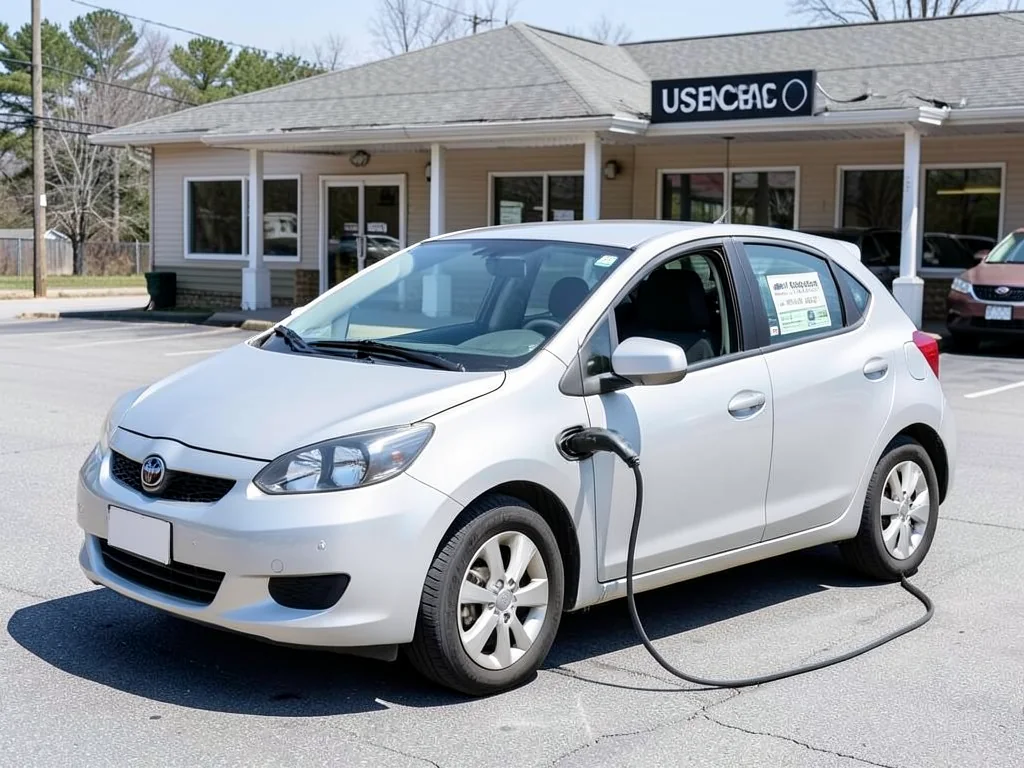
A shopper hunting the best car for gas mileage and safety is really balancing two documented scores: crash-test ratings and EPA fuel economy. Used listings can look equally safe until model year, powertrain, and equipment are checked. The safest car with best gas mileage for one household may be the wrong size, budget, or commute match for another. Set those requirements first, then compare only vehicles whose ratings you can verify.
Define the Safety and Mileage Requirements for Your Search
Calling a used car the safest car best gas mileage choice only makes sense when the claim names a rating system, a model year, and the tests that applied. Highway safety programs score different crash modes, and those scores belong to a specific test year, not a nameplate in general. A later or earlier year can change structure, airbags, or driver-assistance hardware enough that yesterday’s result no longer describes the car on the lot. Treat "safest" as a shorthand you replace with named, dated evidence.
Fuel targets should follow the mix of city and highway miles you actually drive, not a single combined number from a brochure. A safe car with good gas mileage for a short urban commute may look weaker on long interstate stretches, and the reverse is true for highway-heavy weeks. Before you fall in love with a listing, write down seating needs, child-restraint fit, sight lines from the driver’s seat, and a hard budget that includes insurance and fuel. Those practical filters shrink the field faster than a slogan about the best gas mileage safest car.
Build a Shortlist of Used Cars With Documented Ratings
Keep the shortlist small and only add a used car when you can verify that exact model year’s crash-test ratings and the EPA fuel economy for the engine, transmission, and drivetrain in the listing. A compact sedan, a small crossover, and a hybrid powertrain hatchback can all meet a dual requirement without being interchangeable. For each candidate, write a standalone profile: body style, powertrain, documented safety credentials, and rated city, highway, and combined mileage. That habit stops you from treating a generation as one car.
Trim, optional packages, and even build date can change whether a published award or headlight rating applies, so do not assume every example of a model shares one score. Note any equipment conditions next to each profile rather than ranking cars into a single best car for safety and gas mileage. One vehicle may clear your seating and mileage floor with a strong frontal rating; another may earn its place with a hybrid powertrain and a later-year side-impact result. Describe how each one meets your written requirements instead of declaring a universal winner.
Read Safety Results for the Exact Model Year
IIHS and NHTSA both publish crash-test ratings, but they are separate programs with different tests, scales, and award names. NHTSA’s star ratings and IIHS categories such as good, acceptable, marginal, or poor do not convert into each other, so read each result in its own system. Look past a headline award to the individual crashworthiness scores—moderate overlap front, side, roof strength, and restraints where published—and note any equipment the award required. A Top Safety Pick style honor can depend on headlights or automatic emergency braking that the used example may not have.
Testing protocols also change. A rating belongs to the year and procedure that produced it, which is why you match results to the exact model year of the car you are considering. Strong crash-test performance is evidence of how that vehicle behaved in those tests; it does not guarantee protection in every real collision, at every speed, or with every occupant position. An unrated year or configuration leaves an evidence gap, not a hidden failing grade. Shoppers chasing the safest car with best gas mileage still need that gap labeled rather than guessed away.
Check Fuel Economy for the Listed Powertrain
EPA fuel economy is published as city, highway, and combined MPG for a specific engine, transmission, and drivetrain combination. Match those three figures to the listing, because a different displacement, hybrid powertrain, or all-wheel-drive setup can move the numbers even when the body looks identical. Combined MPG is a weighted blend, not a promise of what you will see on every tank. If two similar cars both look like a safe car with good gas mileage, the one whose rated city or highway number tracks your commute is the fairer comparison.
Real fuel use still moves with trip length, weather, speed, tire condition, and how you brake and accelerate. Estimate annual gallons by dividing your yearly miles by an MPG assumption that fits that mix, then multiply by your local fuel price to see cost, not just the window sticker. If a plug-in hybrid makes the shortlist, treat MPG, MPGe, and electric range as different measures: MPGe describes energy use in a charge-depleting test, gasoline MPG describes engine-on running, and electric range depends on charging access you actually have. Do not swap those labels.
Confirm the Safety Equipment on the Individual Car
Listing copy often overstates packages, so confirm factory safety equipment through a build sheet, window sticker if available, service records, and the owner’s manual for that vehicle. Automatic emergency braking can warn and apply the brakes when it detects an imminent forward collision, yet it has speed, weather, and sensor-view limits and is not a substitute for attention. Blind-spot alerts watch adjacent lanes; lane assistance may warn or nudge when you drift, depending on the system. None of these features works if cameras or radars are blocked, misaligned, or showing faults.
Some published safety credentials also hinge on headlight performance or an optional safety package that was not on every trim. Check whether the used car has the lamps and driver-assistance hardware the award or rating assumed. Warning lights, camera errors, or a history of sensor replacements belong in a professional evaluation, not a backyard experiment. During a test drive, do not try to trigger automatic emergency braking or other emergency intervention; that is unsafe and tells you little about calibration. Confirm the equipment is present, then let a shop diagnose faults.
Make Condition and Inspection Part of the Purchase Decision
Vehicle history reports can show title brands, odometer events, and some insurance claims, but they miss repairs that were never reported and cannot certify structural integrity. Read maintenance records and any documented collision work as incomplete clues, then arrange an independent prepurchase inspection. Ask the inspector to cover tires, brakes, seat belts and airbag indicators, and signs of structural repairs such as weld marks, panel gaps, or frame measurements that do not match. A clean report plus a careful inspection together support a purchase; neither one replaces the other.
If the candidate uses a hybrid powertrain, request a professional assessment of high-voltage battery condition without treating any scan as a remaining-life promise. On a normal test drive, confirm seating comfort, outward visibility, and child-seat fit with the restraints you actually use. Then return to the original checklist: named crash-test ratings for that model year, EPA fuel economy for that powertrain, and equipment that matches any award conditions. The best car for gas mileage and safety is the one that still meets those written requirements after inspection, not the listing that sounded strongest on first glance.