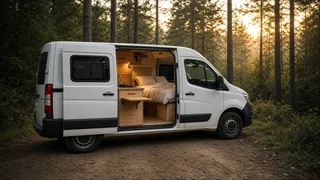
Safari van camper conversion

A Safari van camper conversion turns a versatile rear-drive or all-wheel-drive van platform into a compact mobile living space. Because the van shares its body configuration, seating layout, cargo access, wheelbase, and powertrain options with the Astro, owners approach the build with the same emphasis on interior height, floor plan, and weight distribution. The strongest starting point is to measure the cargo bay and door openings, then plan sleeping and storage zones before installing insulation, ventilation, electrical equipment, and fixed furniture.
Essential answer
The essential answer is that this conversion treats the van as a small, useful base for a self-contained camper rather than a full-size motorhome. The goal is usually a practical overnight vehicle with a sleeping platform, modest kitchen surface, secure storage, and a secondary electrical system. Because the body is narrower and lower than a high-roof cargo van, the most realistic designs keep the build light and use the available floor length efficiently instead of trying to duplicate a larger RV interior.
A build of this type also depends on how the cargo access and factory seating are configured. Removing or folding the rear seats changes the usable layout and affects where a fixed bed or modular bench can sit without blocking a sliding side door or rear hatch. The powertrain options and market specification influence axle loading and available alternator capacity, so any camper electrical plan should begin with the vehicle as it is actually equipped rather than a generic parts list.