Saab 900 Turbo Intercooler
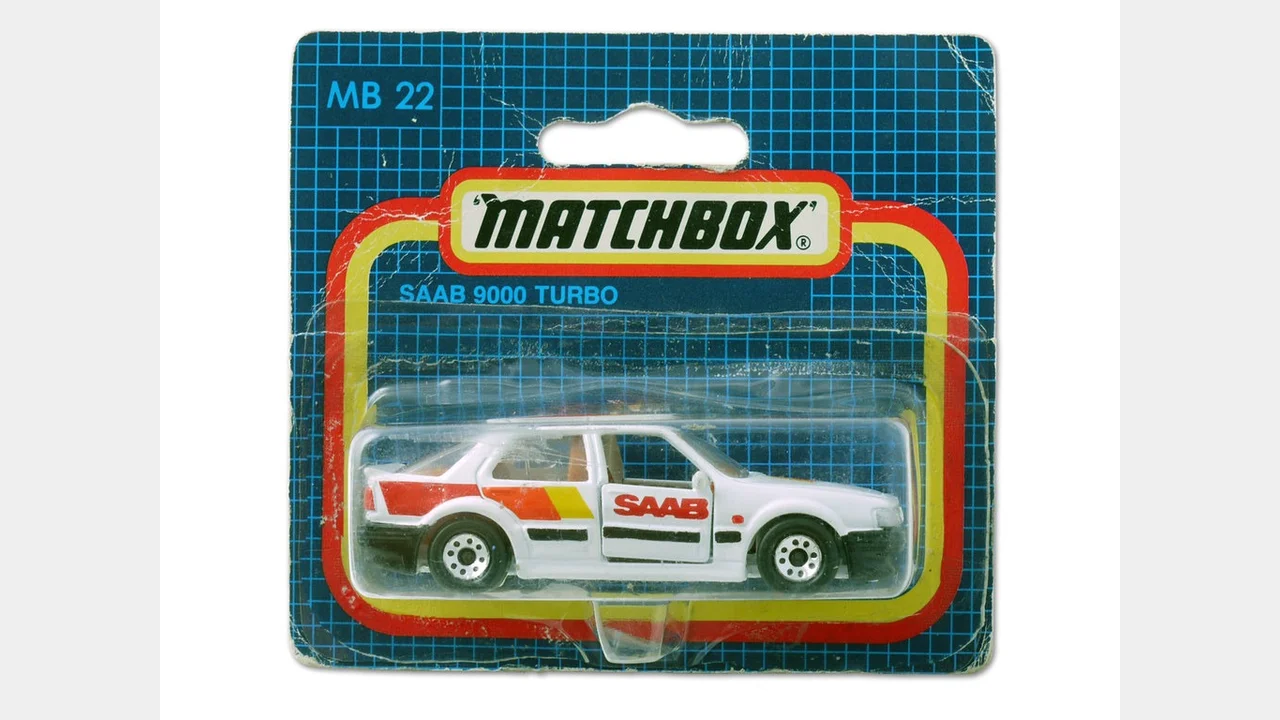
Choosing a replacement Saab 900 Turbo intercooler means matching the right cooling core to your specific model generation, body style, and powertrain configuration. The original charge-air cooler works hard in a tightly packaged engine bay, so condition and fitment matter more than brand claims. A better understanding of flow, pressure drop, and heat rejection helps you compare stock-style units with larger aftermarket options without chasing the wrong modification. The following guidance focuses on what to inspect and verify before you buy, so the new intercooler supports reliable boost rather than creating installation headaches.
The direct answer
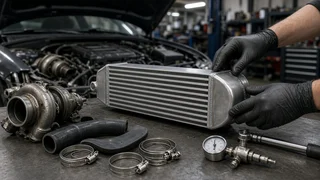
For most owners, the immediate need is a direct-fit replacement that matches the original Saab 900 Turbo intercooler routing and end tank orientation. Start by confirming whether your car is an earlier or later model generation within the classic 900 range, because inlet and outlet positions changed with the turbocharger and intake layout. A used unit must be pressure-tested and free of bent fins, cracked plastic tanks, or oily residue that suggests an internal leak. If you are upgrading, a thicker bar-and-plate core usually cools better but may require trimming or revised hoses.
Conditional fitment is the main point to resolve before spending money. A part listed for one model year or market specification may not clear the hood, radiator, or air-conditioning lines on another setup. Check the intercooler's overall width, core depth, and hose barb diameters against the unit you are replacing. When the original part number is still visible, that is the most reliable cross-reference. Otherwise, match the style of end tanks and bracket locations visually, not just by searching a generic listing for the body style.