Rubber Nail Tire Repair Products: Uses and Limitations
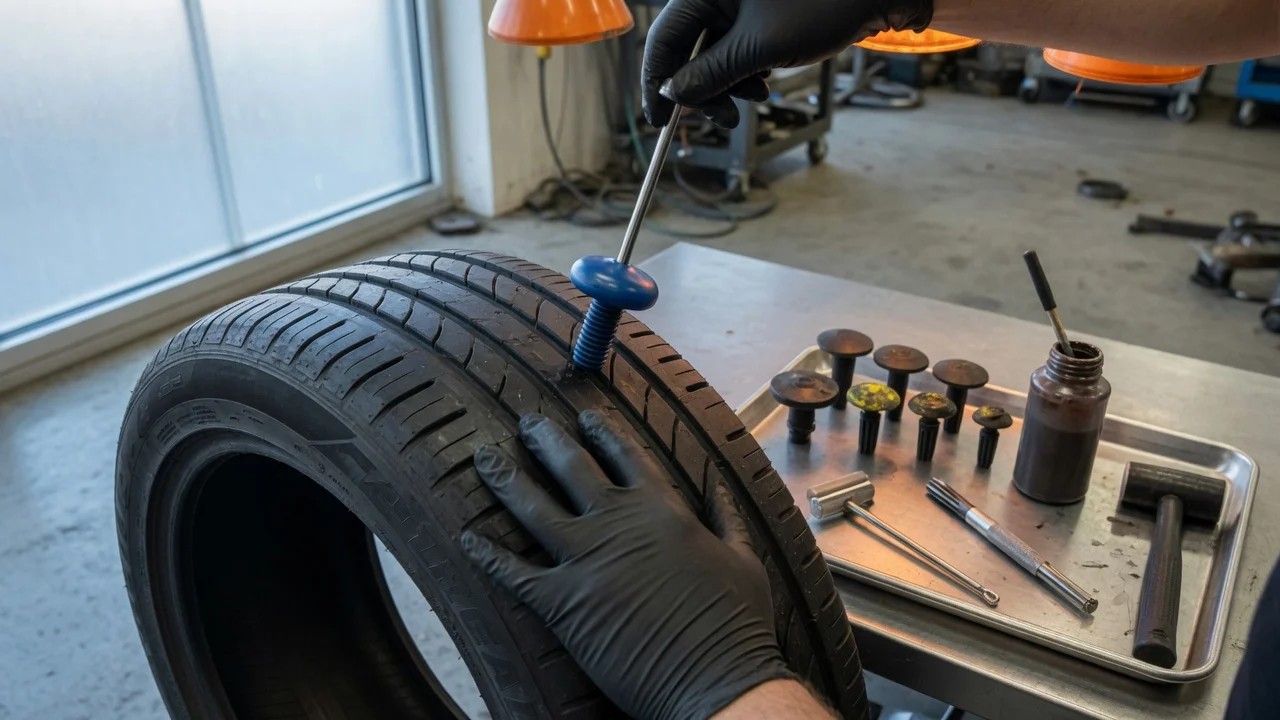
What a rubber nail tire repair product is
A rubber nail tire repair product is a temporary or semi-permanent puncture repair device designed to fill and seal a puncture in a tire. It is generally used on tubeless tires, where the repair body is inserted into the damaged area to reduce or stop air loss. The product is named for its shape and material: a flexible rubber or rubber-like stem that resembles a nail and is worked through the puncture channel. It is not a substitute for a professional repair in all situations.
Intended use and typical condition
Rubber nail style repairs are most often considered for small, straight punctures in the tread area of a tubeless tire. The puncture should be relatively clean and located away from the tire sidewall and shoulder. This type of product may be marketed for quick roadside use, but its suitability depends on the puncture size, angle, location, and the condition of the tire.
A rubber nail repair does not address structural damage to the tire casing, internal liner injury, or damage caused by driving on a flat or severely underinflated tire. Its use should not be assumed to restore the tire to its original speed or load rating without professional verification.
Common questions about symptoms and diagnosis
If a tire loses air slowly, the cause may be a puncture from a nail, screw, or similar object, but other causes include a leaking valve stem, corrosion between the wheel and tire bead, rim damage, or a cracked wheel. Before using a rubber nail product, locate the leak and inspect the area. Soapy water or a water bath can help identify air bubbles at the suspected location.
A nail or sharp object still embedded in the tire should not be driven on for longer than necessary. If the tire is already flat or nearly flat, do not drive on it. Driving on an underinflated tire can damage the sidewall internally, and damage of that type may not be visible from the outside. In that condition, a rubber nail product is not a safe or reliable repair.
Checks to perform before choosing a repair
Inspect the puncture location. Tread-area punctures may be candidates; sidewall or shoulder punctures are not suitable for a rubber nail repair and require tire replacement. Check the shape and size of the puncture. A long, angled, or irregular hole may not seal reliably with a rubber nail product. Look for visible tire damage such as bulges, cuts, exposed cords, or cracks. These require professional evaluation and usually tire replacement. Confirm whether the tire is tubeless. A rubber nail type repair is not appropriate for a tube-type tire. Stop using the tire and seek professional diagnosis if the leak continues after repair, the tire shows run-flat damage, or the damage is outside the serviceable tread area.
Limits of rubber nail tire repair
A rubber nail repair can seal the puncture channel but does not repair the inside of the tire casing or replace the removed material. It may not be durable at high speed, high load, or high temperature over long distances. The product can also work loose if the puncture is too large, too close to the sidewall, or exposed to repeated flexing.
This type of repair should be considered temporary or limited unless the product and application method are specifically approved for a permanent repair by the tire manufacturer. A proper professional repair typically requires removing the tire from the wheel, inspecting the interior, cleaning and preparing the puncture, and applying an appropriate repair unit.
Next steps after using a rubber nail product
If a rubber nail product is used temporarily, check tire pressure frequently and monitor for air loss. Have the tire professionally inspected as soon as practical. If any of the following conditions appear, stop using the tire and seek professional diagnosis: continued air loss, vibration or irregular handling, visible damage at the repair site, or any sign of a sidewall bulge.
Keep in mind that tire manufacturers and vehicle makers may not recognize a rubber nail product as an acceptable repair. In many cases, a professional interior inspection and repair are required to determine whether the tire can be returned to service safely.