Road Tripping in a Hybrid: What to Expect on Long Highway Drives
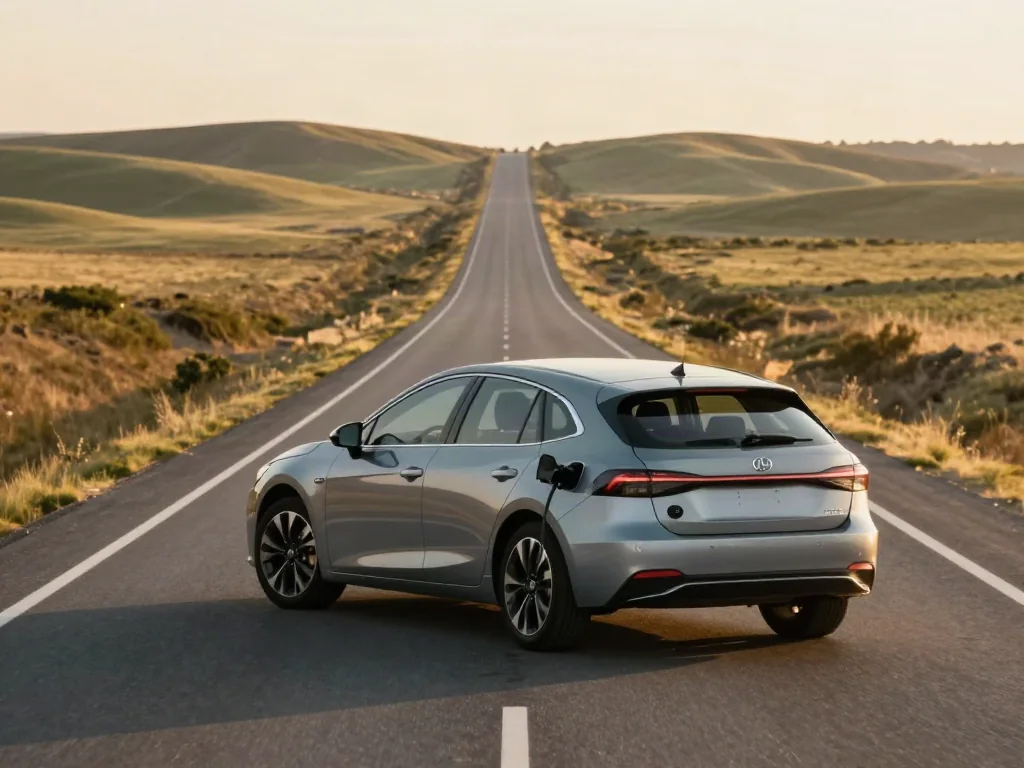
Heading out on a hybrid car road trip changes a few expectations about efficiency, battery behavior, and fuel stops. Hybrids excel in stop-and-go driving, but sustained highway miles test the powertrain differently. Understanding how the gasoline engine, electric motor, and battery share the workload helps you plan a smoother journey. You won't need to plug in a conventional self-charging hybrid, though a plug-in hybrid behaves differently once its stored charge is depleted. Real-world economy depends on speed, terrain, and load, so the trip computer's range estimate becomes a useful guide, not a promise.
How a Hybrid Powertrain Behaves at Sustained Highway Speeds
On a flat interstate at a steady 70 mph, the gasoline engine does most of the work because that is where it is efficient. The electric motor assists during acceleration, passing, and gentle load changes, then steps back once cruising speed is reached. Drivers often notice the engine running more continuously than in city traffic, where the motor can handle low-speed propulsion and the engine shuts off frequently.
The hybrid system switches between power sources without any input from the driver, using the battery as a buffer. Different manufacturers tune these transitions differently, so checking the owner's manual clarifies how your specific model operates. A conventional hybrid charges its battery through regenerative braking and engine power, never needing a plug. A plug-in hybrid starts with a larger battery that can be charged externally, but once that stored charge is used up on a long trip, it behaves much like a conventional hybrid.
Setting Realistic Fuel Economy Expectations for Long Trips
A hybrid's fuel economy advantage is usually smaller on the highway than in the city because there are fewer braking events to recover energy. Regenerative braking captures kinetic energy when slowing down, but at steady speeds the system relies mainly on the engine. The official EPA highway rating already reflects this difference, so seeing a drop from your city mpg is normal.
Several factors influence highway economy: cruising speed, headwinds, elevation changes, outside temperature, cargo weight, and climate control use. For example, increasing speed from 65 to 75 mph raises aerodynamic drag significantly, reducing mpg. Use the trip computer's average fuel economy over a full tank or a long leg rather than the instant-mpg readout, which fluctuates too much to be useful. Track fuel use at fill-ups to get a true picture.
What the Hybrid Battery Does on a Long Drive
The hybrid battery operates within a managed state of charge, typically between about 40% and 80%, so the charge gauge moves up and down within a limited band. On long downhill stretches, regenerative braking can push the gauge higher, while long climbs may draw it down before the engine takes on more of the load. This fluctuation is completely normal and is not a sign of a fault.
The system automatically balances the battery to protect its longevity, so owners should not expect it to stay at a fixed level. Drivers should never open or tamper with high-voltage components, which are marked with orange cables and warning labels. If a hybrid system warning light appears, note any symptoms, find a safe place to stop, and contact a qualified technician. Roadside diagnosis of high-voltage issues is not possible without professional testing.
Planning Fuel Stops and Managing Range
The trip computer's range estimate is based on recent driving conditions, so it can change quickly with speed, terrain, and weather. A headwind or a long climb can drop the estimate faster than actual miles driven. Treat it as a guide, not a precise countdown, and refuel with a comfortable buffer, especially on rural stretches or in mountains where stations may be far apart.
Fuel grade requirements vary by hybrid model, so use the fuel listed in the owner's manual or on the fuel door. Some hybrids run fine on regular, while others recommend premium for optimal performance. Planning fuel and rest stops together using a navigation app helps line up breaks with refueling, reducing unnecessary stops and keeping the journey efficient.
Packing, Cargo and Towing Considerations for Hybrid Road Trips
Extra passengers and luggage weight reduce efficiency and affect acceleration on hills and highway merges. The hybrid system must work harder to move more mass, and the electric motor's assistance is less able to compensate at higher speeds. Keeping cargo weight within the payload limit, found on the door-jamb label, prevents overloading and maintains safe handling.
Roof boxes, bike racks, and open windows add aerodynamic drag that becomes more noticeable at highway speeds. A roof box can cut fuel economy by several mpg, so remove it when not needed. Not all hybrids are rated for towing, so confirm any towing limits in the owner's manual before hitching a trailer. Spread weight evenly inside the cabin or cargo area, keeping heavy items low and secured to avoid shifting.
Pre-Trip Checks and How to Respond to Warning Lights
Before departure, check tire pressure set to the door-placard spec, not the tire sidewall maximum. Inspect tire tread and condition, wiper blades, washer fluid, and visible fluid levels. Follow the maintenance schedule in the owner's manual rather than relying on generic service intervals, and book any due service before a long trip to avoid a breakdown far from home.
If a hybrid system or check-engine warning appears, note any symptoms such as reduced power, strange noises, or unusual gauge readings. Find a safe place to stop, consult the owner's manual for guidance, and contact a dealer or qualified hybrid technician. Diagnosing high-voltage or powertrain issues requires professional testing equipment, so do not attempt roadside fixes beyond basic checks like ensuring the fuel cap is tight.
Driving Habits That Make Highway Miles More Efficient
Steady speeds, smooth acceleration, and early lifting off the throttle help the hybrid system run efficiently. Anticipating traffic flow and coasting when possible allows regenerative braking to recover energy and reduces unnecessary engine load. Cruise control helps on flat roads by maintaining a constant throttle, but on rolling terrain it may cause the engine to work harder on uphill grades, so managing speed manually can save fuel.
Eco or efficiency drive modes, where available, may soften throttle response and reduce climate control output to save energy. Check your owner's manual to understand how these modes affect your specific vehicle. On long days, regular breaks and rotating drivers matter more than chasing a fuel economy number. Staying alert is the top priority, so don't compromise safety for a slightly better mpg.