Replacing a Brake Fluid Reservoir or Cap: What to Check Before You Buy
If the only problem is the cap, replace only the cap. A cap that is cracked, missing, has a torn rubber seal, or no longer locks is an inexpensive part you can swap by hand. Replace the whole brake fluid reservoir if the plastic body is cracked, leaking at the base, badly discolored or brittle, or if its built-in fluid level sensor has failed and is not sold separately. Either way, the part must match your exact vehicle. Reservoirs and caps that look alike often differ in thread or locking style, sensor connector, hose ports and mounting. One condition changes the advice. If the fluid level has dropped and you cannot find a damaged cap or reservoir, a new part will not solve the problem. Falling brake fluid usually means worn brake pads or a leak somewhere else in the hydraulic system. Diagnose the cause before buying parts.
What the reservoir and cap actually do
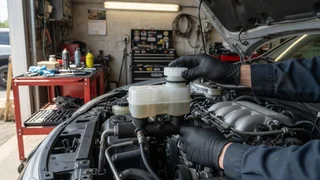
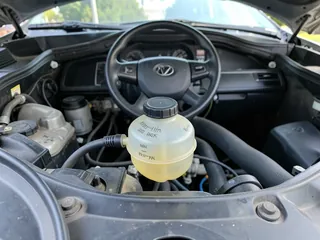
The reservoir is the translucent plastic tank on top of the brake master cylinder. The master cylinder is the component that turns pedal pressure into hydraulic pressure at the wheels. The reservoir holds reserve fluid and feeds it into the master cylinder through rubber seals called grommets, which press into ports on the master cylinder. On many cars it also has a float-type level sensor that turns on the brake warning light when the fluid gets low.
The cap seals out dirt and moisture. Many caps have a flexible rubber diaphragm underneath. The diaphragm moves as the fluid level changes, so the air above the fluid stays out of direct contact with it. This matters because most brake fluids absorb moisture over time, and moisture lowers the fluid's boiling point. A cap that seals poorly lets the fluid age faster and can let debris fall into the system.
Cap or reservoir: matching the symptom to the part
Symptom | Likely part to replace | Notes; Cap missing, cracked or won't lock | Cap | Usually a simple hand-installed swap; Cap seal or diaphragm torn, swollen or hardened | Cap (or diaphragm, if sold separately) | A swollen seal can mean the wrong fluid was added; check the fluid too; Fluid seeping around the cap | Cap, or check for overfilling | Fluid at the cap is not always a cap fault; Crack or seep in the reservoir body | Reservoir | Plastic repairs are not a reliable fix for a brake component; Leak where the reservoir meets the master cylinder | Grommets, sometimes the reservoir | Grommets are often sold separately and should be replaced whenever the reservoir is removed; Warning light on with the fluid level correct | Level sensor or the reservoir that contains it | Rule out low fluid and worn pads first; Fluid level keeps dropping, no visible damage at the top | Neither, until diagnosed | Inspect pads, calipers, lines, hoses and the master cylinder
How to match the right part to your vehicle
Brake fluid reservoirs are rarely universal, even within one model line. The same model can use different reservoirs depending on model year, trim, market, brake system supplier and options. The most reliable way to find the correct part is to search by your vehicle identification number (VIN), either through a dealer parts counter or a parts catalog that supports VIN lookup. If you search by year, make and model instead, compare every variant the catalog lists before choosing.
Thread or locking style of the cap: screw-on caps and quarter-turn bayonet caps are not interchangeable, and thread sizes vary; Level sensor: whether the reservoir has one, whether it is built in or replaceable, and whether the electrical connector shape and pin count match your harness; Hydraulic clutch feed: on many manual-transmission vehicles, the brake reservoir has an extra port and hose that supplies the clutch master cylinder, so manual and automatic versions of the same car may use different reservoirs; Number and spacing of outlet ports, which must line up with the master cylinder; Mounting method: some reservoirs are held only by the grommets, while others use a retaining pin, clip or bolt, and some are mounted remotely with hoses; Brake system variations: vehicles with different ABS or stability control hardware, or a different brake supplier, can use different master cylinders and reservoirs; Bundled parts: whether the listing includes the cap, sensor, grommets and retaining pin, or only the bare tank
Read the existing reservoir before you order. It may carry a part number molded into the plastic. The cap is often marked with the required fluid type, such as DOT 3, DOT 4 or DOT 5.1. A part number from the old component is a useful cross-check, but it can be superseded, so confirm it against your VIN where possible.
OEM, aftermarket or universal
Original equipment (OEM) parts from the vehicle maker's dealer network give the most certain fit, especially for reservoirs with integrated sensors or clutch ports. They often cost more and may need to be ordered in. Aftermarket reservoirs and caps from established brake or parts brands are widely sold for common vehicles and are a reasonable choice when the listing clearly states compatibility for your exact configuration. Check the details: whether the sensor is included, whether the connector matches, and whether the cap has a diaphragm like the original.
Avoid generic universal caps. A cap that threads on but lacks the correct seal or diaphragm, or does not vent the way the original did, can let in moisture or affect how the fluid level behaves. Avoid used reservoirs from salvage vehicles unless the plastic is clearly sound and you plan to fit new grommets. Old plastic can be brittle and may be stained or contaminated inside.
Fluid compatibility
Use the brake fluid type specified for your vehicle, usually shown on the cap or in the owner's manual. DOT 3, DOT 4 and DOT 5.1 are glycol-based and are generally compatible with each other. DOT 5 is silicone-based and must not be mixed with them or added to a system designed for glycol fluid. Rubber seals in the cap, reservoir and master cylinder are designed for a specific fluid type. Swollen, soft or distorted seals can be a sign that the wrong fluid was added, and that problem goes beyond the reservoir.
What the job involves after the part arrives
Replacing a cap takes moments and normally requires nothing more than keeping dirt out of the opening and leaving the fluid at the correct level. Replacing a reservoir is more involved, because removing it opens the hydraulic system.
Brake fluid damages paint, so cover nearby painted surfaces and wipe up spills promptly; Remove as much old fluid from the reservoir as practical before removal, to limit spills; Clean the area around the reservoir so debris cannot enter the master cylinder ports; Fit new grommets, lubricating them only with clean brake fluid of the correct type, and seat the reservoir firmly and evenly; Reconnect the level sensor and any clutch feed hose, and refit any retaining pin or clip; Refill with fresh fluid of the specified type to the correct mark; do not overfill; Check pedal feel before driving; a soft or sinking pedal means air has entered the system and bleeding is required
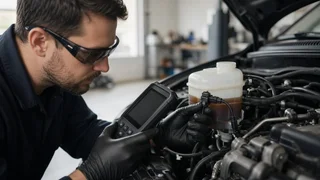
Whether you need to bleed the brakes depends on whether air got past the reservoir into the master cylinder. If the reservoir was removed quickly and the master cylinder ports stayed wet, bleeding may not be needed, but check pedal feel to confirm. If the master cylinder ran dry, air is likely in the system. On some vehicles with ABS, a full bleed after air has reached the hydraulic unit may call for a scan tool that can cycle the ABS valves. Check what your vehicle requires before you start, because it may decide whether this is a home job or a shop job.
Choosing your next step
If the damage is plainly limited to the cap, order the correct cap by VIN or by part number and fit it yourself. If the reservoir is cracked or leaking, decide whether you are comfortable opening the hydraulic system, refilling it correctly and bleeding it if needed. If not, buying the part yourself and having a shop install it is a reasonable middle option, though some shops prefer to supply their own parts. If the fluid is low and no damage is visible at the top of the master cylinder, have the brakes inspected before buying anything. The reservoir is more likely showing you a problem elsewhere than causing one.