Renault Kwid steering controls
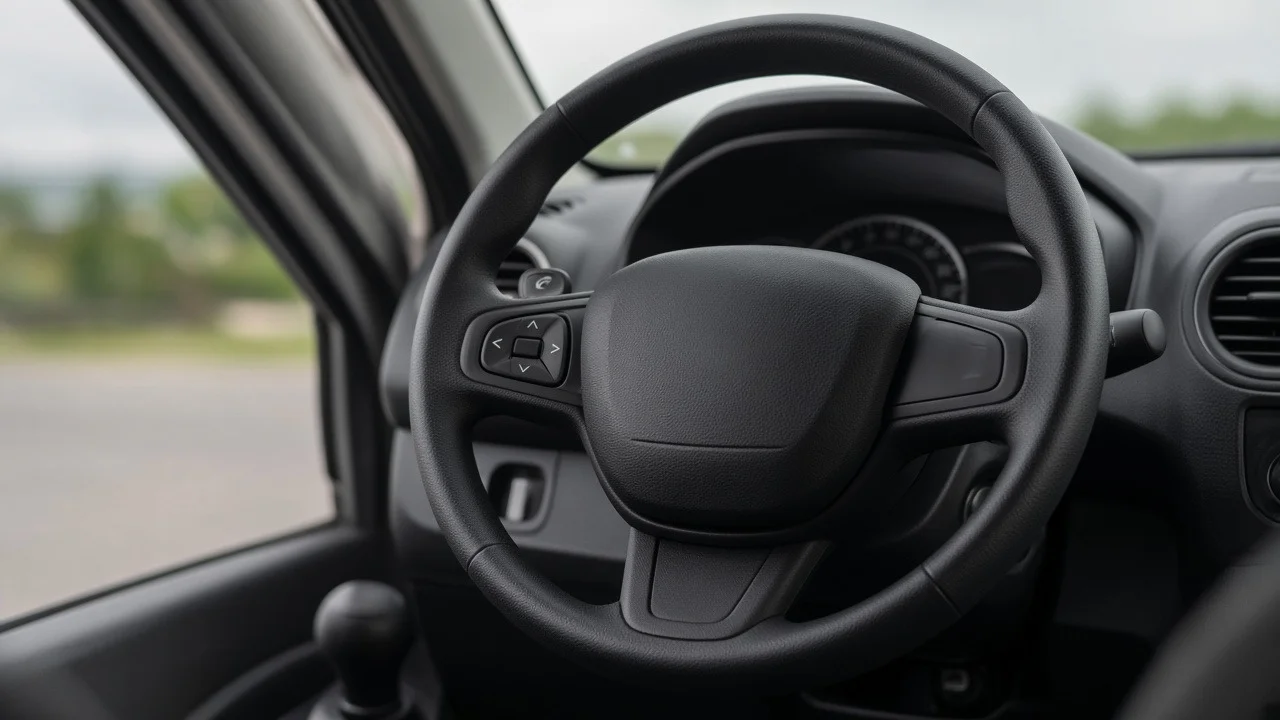
The Renault Kwid uses steering controls to put commonly used functions within thumb reach of the wheel, but the exact layout varies by market, trim level, and whether the car was fitted with an aftermarket interface. In many examples the remote pad or spoke-mounted buttons are limited to audio and phone tasks, while higher equipment levels may add voice or display controls. Understanding what these controls do requires separating the physical switch assembly from the clock spring, steering wheel module wiring, and the head unit or body computer that interprets each press.
Essential answer
Steering controls on the Kwid are part of a small network rather than a single switch. A button press travels from the spoke-mounted pad or remote through the clock spring, a ribbon-like connector that keeps the circuit intact while the wheel rotates. The signal then reaches the audio unit, instrument cluster, or body control module depending on the vehicle’s configuration. If any part of that chain has high resistance, a broken trace, or poor contact, the command may be ignored or trigger the wrong function.
Because the Kwid is built to a low-cost structure, the controls are typically modest compared with larger Renault models. Buyers should not assume every button shown in a generic photo applies to their car. Some vehicles use a separate control pod behind the wheel rather than integrated spokes, and regional wiring differences can change which functions are active. The essential answer is that these controls exist to reduce driver distraction, but their exact behavior depends on the specific steering wheel assembly, audio system, and market specification installed in that vehicle.