Remote Start Not Working After Battery Replacement: Causes and Safe Checks
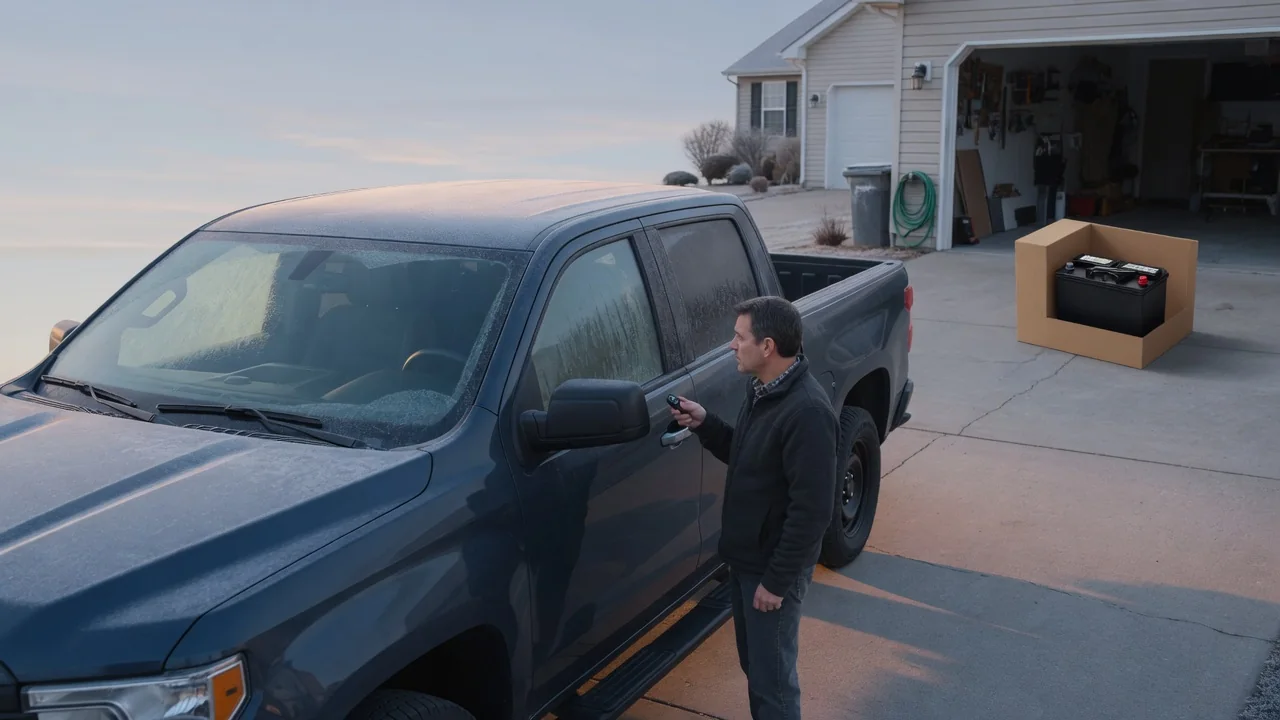
Finding your remote start not working after a battery change is frustrating, especially when the car otherwise seems fine. Whether you replaced the 12V battery, the key fob battery, or both, the cause is often a reset, a sensor, or a connection rather than a failed part. Here is how factory and aftermarket systems react, what you can safely check, and when to get professional help.
Why Remote Start Can Stop Working After a New Car Battery
Disconnecting the 12V battery cuts power to every module in the vehicle, including the body control module and any remote start module. When power returns, some systems need to reinitialize, relearn stored settings, or be reset before remote start responds again. It also matters which battery changed. A new key fob battery affects only the transmitter, so a weak or poorly seated cell usually shortens range or kills all remote functions, while a car battery change affects the vehicle side.
Symptoms vary. The remote may lock and unlock but not start, the system may ignore the remote entirely, or the engine may start and shut off within seconds. None of these points to a single cause. A new battery that is the wrong type, undercharged, or loosely clamped can mimic a remote start fault. Before troubleshooting, identify whether you have factory remote start or an aftermarket remote starter, because the fixes differ.
Basic Conditions Remote Start Often Needs Before It Will Run
Many remote start systems refuse to run unless certain conditions are met, and the exact list varies by system. Doors, hood, and trunk or tailgate typically need to read closed, and the transmission usually must be in Park. Because a battery replacement means opening the hood, the hood pin switch deserves attention. If the hood was not latched fully or a sensor connector was disturbed, the system may think the hood is open and block starting.
On some vehicles, an illuminated warning light or a stored fault may also prevent remote start, though this does not apply to every system. A check engine light or low-voltage message right after a car battery change can be enough on certain models. Rather than guessing, check the owner's manual for factory systems or the installer's documentation for aftermarket units, since those list the specific requirements and indicator behavior.
Aftermarket Remote Start Systems, Including Avital Units
An aftermarket remote starter uses its own control module and often a separate immobilizer bypass or interface module that communicates with the vehicle's security system. These parts may react to a power loss differently than factory equipment. When aftermarket remote start stops working after a battery change, look for signs of valet or service mode, watch whether the status LED shows activity, and confirm the remotes still communicate with the module, since remote pairing occasionally needs attention.
If your Avital remote start is not working after a battery change, or you own a similar brand, use the owner's guide for your specific model to learn its valet mode, pairing, and status indicators. Generic button sequences found online may not match your unit. Avoid pulling dash panels or probing installer wiring; loose connections, blown inline fuses, and programming problems belong with the original installer or a qualified shop. Gather installer details, system model, and paperwork before calling.
Factory Remote Start on Chevy Silverado, Honda, Subaru and Toyota Models
Factory remote start features, activation methods, and reset needs differ by model year, trim, and market, so confirm what your exact vehicle has first. A Chevy Silverado with remote start not working after a battery change may use a different setup than a Honda, Subaru, or Toyota showing the same symptom. Some systems start from the key fob, while others use a connected vehicle app, which can also depend on account, subscription, or connectivity status.
Your owner's manual may list steps to complete after a battery disconnect, such as resetting the clock, window auto-up function, or other settings. Follow what the manufacturer lists instead of brand-specific tricks from forums. If remote start still fails, a dealer service department is the right stop for model-specific module relearn procedures, software updates, or module diagnosis, since these tasks may require factory scan tools that general shops and owners lack.
Safe Checks You Can Do Before Calling for Help
Start with the key fob battery. If lock and unlock work at normal range, the transmitter is probably powered; if range is short or response is spotty, replace the cell and try again. A spare remote makes a useful comparison. Next, visually inspect the battery terminal connection without touching terminals with tools. The clamps should look clean and seated, and the hold-down should be in place, because a shifting battery can cause intermittent power loss.
Confirm the new battery matches the type recommended in the owner's manual, especially on vehicles with start-stop systems or battery monitoring sensors. Also note whether the radio, clock, power windows, and dash lights behave normally, since widespread problems point to a broader electrical concern rather than remote start alone. Do not bypass fuses, jump circuits, or alter immobilizer wiring, because that can damage modules and create fire or theft risks.
Warning Lights, Stored Codes and the Limits of Self-Diagnosis
A scan tool may show stored codes after a battery change, and some simply reflect the power interruption rather than an ongoing fault. Treat any code as evidence to interpret, not proof that a part has failed. Many body and network codes are defined by each manufacturer, so verify the vehicle-specific meaning using factory service information or a qualified technician. Generic online definitions can be misleading for remote start problems.
A basic code reader often sees only engine-related data and may not access the body control module or remote start module at all, so a clean scan does not prove the system is healthy. Intermittent problems, such as remote start working one day and failing the next, are especially hard to pin down from symptoms. Guessing at parts, like replacing a fob or module that was never faulty, wastes money while the real cause remains.
When to See a Dealer, Installer or Auto Electrician
Seek professional help if remote start still fails after the basic checks, if warning lights stay on, or if the engine starts and immediately shuts down, which can mean the system is detecting a problem or not communicating correctly with the immobilizer. Owners of aftermarket systems should contact the original installer first, since they know how the unit was wired, configured, and integrated with the vehicle's security.
Factory system owners should contact a dealer, who can verify module programming, check for software updates, and test the battery and charging system with proper equipment. Either way, bring details that speed diagnosis: when the battery was replaced, what battery was installed, which remote functions still work, and any messages on the dash or in the app. Clear notes help a technician separate a simple relearn from a genuine fault.