Buying a Remanufactured or Rebuilt Transmission Valve Body
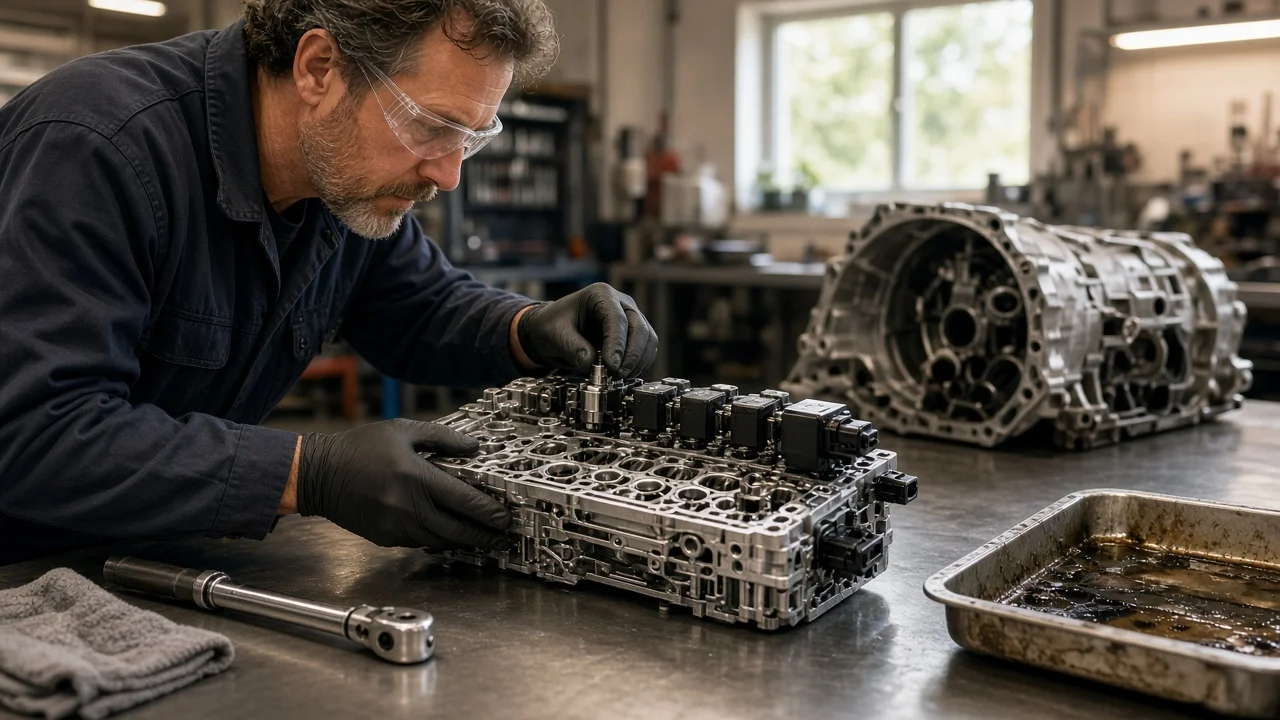
The valve body is the hydraulic control center of an automatic transmission. It routes pressurized fluid to the clutches and bands through passages, valves and, on most modern units, electronic solenoids. A remanufactured or rebuilt transmission valve body can cure shift complaints caused by worn bores, sticking valves or tired solenoids, but only when testing actually points to it. This guide explains how to confirm the need, match the correct part, judge rebuilder claims and plan for the full cost of the job.
Define the job the product must do
Start with the vehicle and the complaint, not the part. Common reasons to look at a replacement valve body include harsh or delayed engagement into drive or reverse, flared or slipping upshifts, erratic downshifts, a converter clutch that shudders or will not apply, and stored diagnostic codes pointing to solenoid performance or pressure control. Each of those symptoms can also come from low or degraded fluid, worn clutch packs, a failing torque converter, a wiring or connector fault, or control software that needs an update. A code that names a solenoid circuit tells you where the computer saw a problem, not that the valve body is the confirmed failed part. A proper diagnosis usually combines a code and live data review, a fluid level and condition check, and, where the transmission allows it, line pressure testing.
Then define your constraints. Note how the vehicle is used, whether it tows or carries heavy loads, its mileage and its service history, including how often the fluid was changed and with what. Look at what came out of the pan: a small amount of fine wear material is normal, but heavy clutch debris or metal fragments suggest internal damage that a valve body alone will not fix. Decide early whether the work will be done in your driveway or by a shop, because some units are easy to reach while others require special tools, programming access and fill procedures that most home mechanics do not have.
Check compatibility
Year, make and model are rarely enough to confirm fitment. Identify the exact transmission type from the identification tag on the case, the build code on the vehicle, or a dealer lookup by VIN. Manufacturers often revise valve bodies during production, and the same model year can carry different calibrations depending on engine, drivetrain, gear count or towing equipment. Ask the seller to confirm the match against the transmission model and, ideally, the part or casting number on the valve body you are replacing.
Compare the interfaces, not just the outline. Check the solenoid style and connector layout, the internal harness or lead frame, the separator plate and gaskets, check ball locations and bolt positions. On units where the valve body and control module are combined into one mechatronic assembly, the replacement may need to be programmed to your VIN or have calibration data transferred before the vehicle will shift correctly. Confirm whether the seller does this, supplies instructions, or expects the installer to handle it with a capable scan tool. Finally, confirm the fluid specification your transmission requires, since the right part filled with the wrong fluid can still shift poorly.
Features that affect the choice
Remanufactured and rebuilt are not standardized terms, so ask what the work actually included. Useful answers are specific: which bores were checked for wear, whether worn bores were reamed and fitted with oversized valves or sleeves, whether solenoids were replaced new or tested and reused, whether known factory weaknesses were corrected with revised valves or plates, and whether the separator plate and gaskets are new. The strongest evidence is a description of how the finished unit was tested, such as flow or pressure testing on a hydraulic test stand, rather than a statement that it was cleaned and inspected.
Treat labels such as OEM quality, heavy duty or upgraded with caution until they are explained. A valve body modified for firmer, quicker shift behavior may suit a towing or performance application but feel harsh in a daily driver, and it can change how the control module adapts. Weigh warranty length and coverage, whether labor is included, and the core charge terms. Transmission valve body rebuilders differ in how they handle returned cores, and some require your old unit to be complete and undamaged before refunding the deposit.
Limitations and ownership costs
A replacement valve body corrects hydraulic control problems inside that assembly and nothing else. It will not restore burned clutches, a worn pump, a damaged torque converter, a broken harness outside the transmission or a faulty control module mounted elsewhere in the vehicle. If debris from a failing component remains in the case, cooler or lines, it can circulate into the new valve body and shorten its life, so ask the supplier how they expect contamination to be handled before installation.
Budget for more than the part itself. Plan on fresh fluid of the correct specification, a new filter and pan gasket where applicable, any required seals or connector sleeves, and labor if a shop installs it. Follow the factory bolt sequence and torque values, because uneven tightening can distort the valve body and cause leakage between passages. Many modern transmissions need adaptive values reset or a relearn procedure afterward, and sealed units without a dipstick usually require filling and level checking at a specified fluid temperature. Read the warranty conditions closely; some require professional installation, fluid receipts and proof of a correct fill. If the diagnosis is uncertain or wear is widespread, compare other repair options, such as a full overhaul or a replacement transmission, before committing.
Build a practical shortlist
Narrow the candidates by asking each seller the same questions and recording the answers. Does the unit match your exact transmission model and original part number? What was replaced new, what was reused, and how was the finished assembly tested? Does it need programming, and who performs it? Which fluid, filter and gaskets are included or required for installation?
Then compare the commercial terms side by side: warranty length, whether labor is covered, installation conditions, core charge amount and return requirements, and how a wrong-fitment return is handled. Favor suppliers who give clear technical answers and installation guidance over those offering only a low price or broad claims. Choose the option that fits your confirmed diagnosis, the way the vehicle is used and how the installation will realistically be done.