Reliance Brake Controller Wiring Diagram
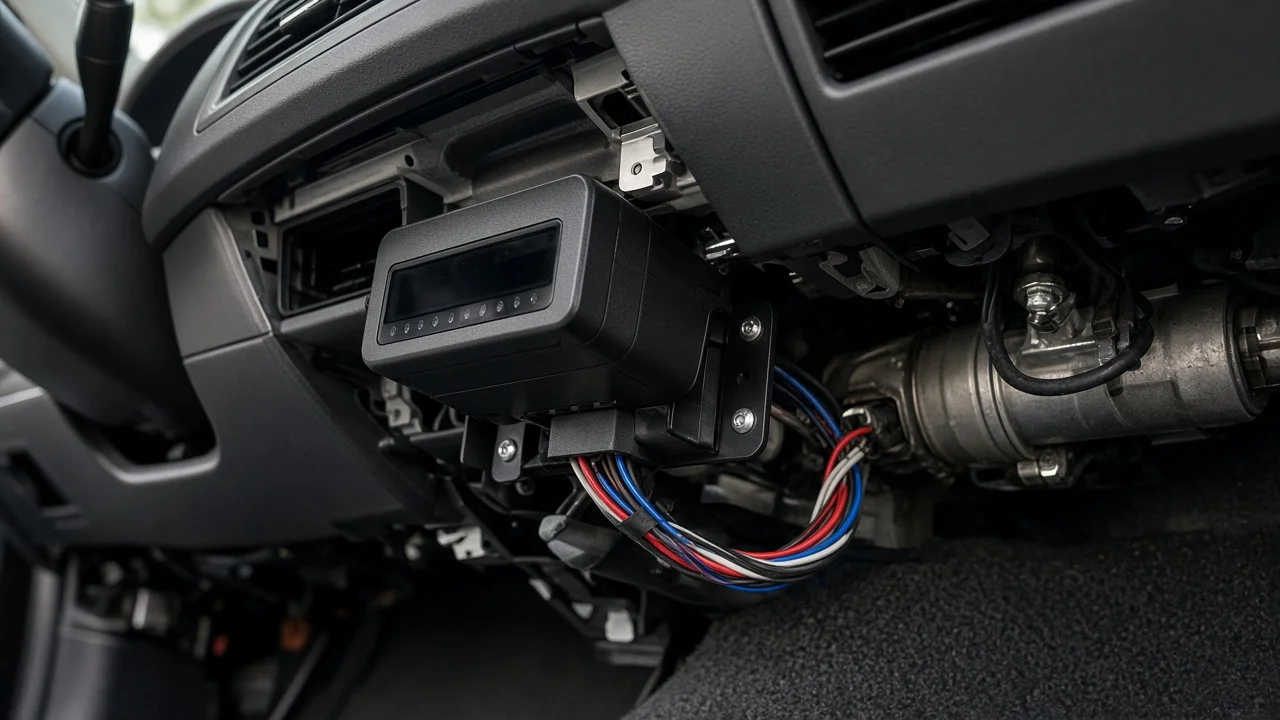
A Reliance trailer brake controller wiring diagram maps how the in-cab control module connects to the tow vehicle’s brake switch, battery power, ground, and the trailer brake output circuit. Drivers searching for this diagram typically need to install, troubleshoot, or verify a controller so the trailer’s electric brakes activate in proportion to the tow vehicle’s braking. Because wire colors and pin positions vary by model year, harness adapter, and controller revision, the diagram is a starting point rather than a universal proof of a fault. The goal is to understand each circuit’s job before changing connections or condemning a component.
Essential answer
A Reliance brake controller wiring diagram is a circuit map showing the four core electrical paths that make an electric trailer brake system respond correctly. The primary paths include a 12-volt power feed from the vehicle battery through a circuit breaker, a ground return, a brake-switch signal wire that tells the controller when the tow vehicle is slowing, and a blue output wire that sends variable voltage to the trailer brake magnets. The controller adjusts that output based on deceleration sensing and the driver’s gain setting, so the trailer brakes apply proportionally rather than locking immediately.
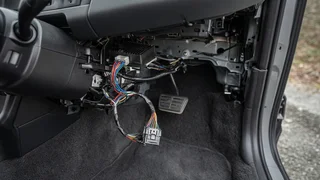
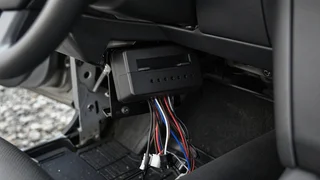
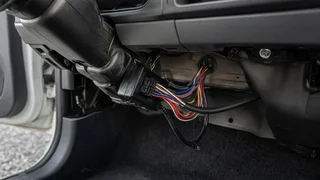
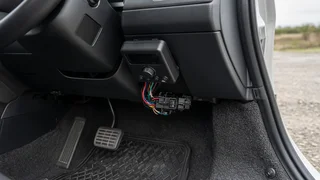
The relevant meaning of the diagram changes with the job. For installation, it identifies which vehicle wire joins the controller’s red, black, white, and blue leads, often through a vehicle-specific plug-and-play harness. For troubleshooting, it shows where to test for battery voltage, ground continuity, a changing brake-switch signal, and output at the trailer connector. A fault code or a non-working trailer brake is evidence to interpret, not proof that the controller itself has failed. Manufacturer-dependent wire colors and connector layouts require confirmation against the exact Reliance model and tow vehicle before making changes.