Regenerative Braking Limited or Not Working: Causes, Warnings and What to Do
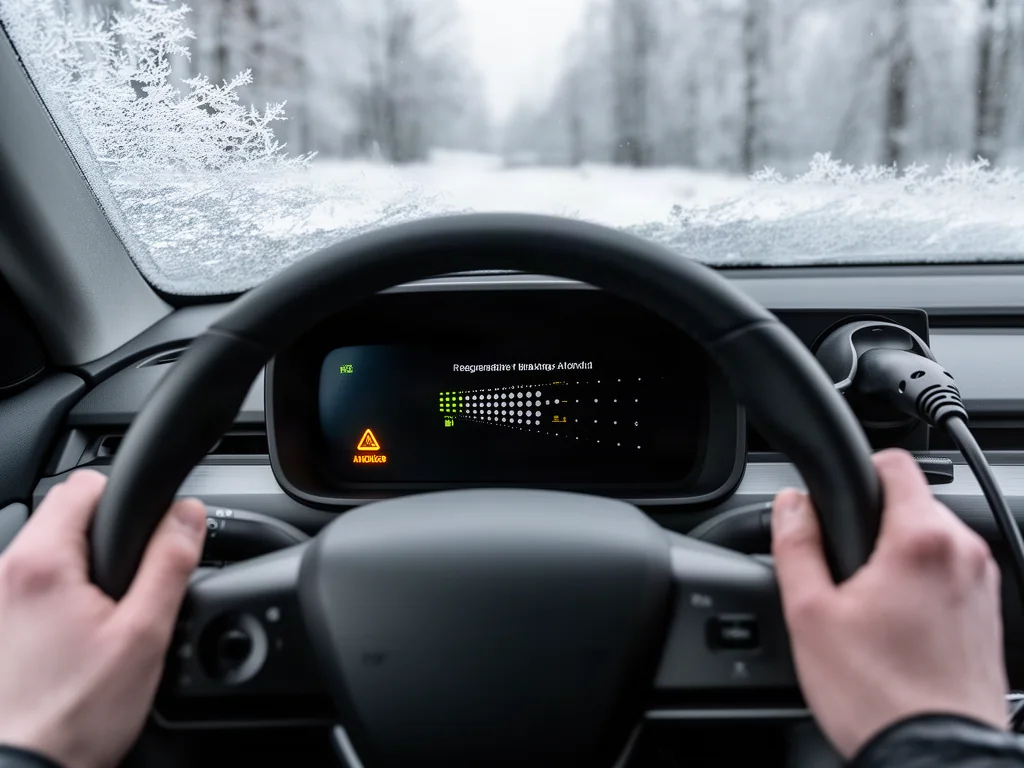
A regenerative braking warning usually means your electric or hybrid vehicle is protecting its high-voltage battery by temporarily reducing how much energy it can absorb. You may see weaker one-pedal slowing, a shortened regen bar on the power display, and messages like “Apply brakes when regenerative braking is limited.” This is often normal—caused by a cold battery or near-full charge—but it can also point to a sensor fault, stability control intervention, or a problem after service such as a tire change. Knowing the difference helps you decide when to keep driving and when to schedule diagnosis.
What 'Regenerative Braking Limited' or 'Temporarily Reduced' Actually Means
Regenerative braking uses the drive motor as a generator to slow the car and send energy back to the high-voltage battery. The battery’s ability to accept charge sets the limit: a cold battery, a full battery, or a fault that prevents energy flow will all reduce regen. The warning “regenerative braking limited” or “temporarily reduced” means the system is intentionally backing off the motor’s drag to avoid overcharging, overheating, or damaging the pack, and you will feel the car coast more than usual when lifting off the accelerator.
A temporary limit that clears on its own is common and expected. A persistent “regenerative braking not available” or a complete loss of regen in mild conditions may indicate a fault. Drivers notice a dashed or shortened regen segment on the energy display, less deceleration with the accelerator released, and the need to press the brake pedal more often. The exact wording and triggers vary by manufacturer—Tesla uses “temporarily reduced,” Toyota hybrids blend regen silently, and Subaru or MG have their own messages—so the owner’s manual is the best source for your vehicle’s definition and causes.
Why the Car Says 'Apply Brakes' or 'Press Brake to Decelerate'
The “apply brakes” or “press brake to decelerate” prompt is a direct warning that the car will slow less than usual when you lift off the accelerator. Because regenerative braking normally provides strong lift-off deceleration, drivers can be caught off guard by the sudden need to use the friction brakes. The message is not an alert that the brakes have failed—it is a reminder that the friction braking system must handle all stopping force while regen is limited.
Friction brakes remain fully operational and are the primary stopping system. Adjust your driving by leaving extra following distance, beginning stops earlier, and anticipating downhill grades where you would normally rely on one-pedal driving. A soft brake pedal, a separate brake system warning light, or noticeably longer stopping distances are not explained by a regen limit and require immediate professional inspection.
Cold Battery and Full Charge: The Most Common Normal Causes
A cold high-voltage battery accepts charge more slowly because lithium-ion chemistry becomes less efficient at low temperatures. On winter mornings, the battery management system deliberately limits regen to protect the cells from excessive charge current until the pack warms up. Preconditioning the battery while plugged in—available on many EVs—can reduce or eliminate the warning before you drive, and normal driving will gradually warm the pack and restore regen.
A high state of charge has the same practical effect: a nearly full battery has little room to store recovered energy, so the system reduces regen to avoid overcharging. As you consume energy and the charge level drops, regen returns. A warning that matches cold weather or a full battery and clears within the first part of a drive is normal. If the message continues in mild temperatures at moderate charge, treat it as a possible fault and have the vehicle diagnosed.
Tesla Model 3 and Model Y: Regen Reduced, Limited or Disabled
Tesla Model 3 and Model Y drivers typically see a dotted line on the power meter’s regen side, a shortened regen bar, and a message such as “Regenerative braking temporarily reduced” or “Regenerative braking limited.” The car displays these notices to inform you that one-pedal deceleration is weaker than expected, not to warn of immediate damage. Most often the limit is caused by a cold battery or a high state of charge, and it goes away as conditions change.
A limited message is different from a disabled one. If regen remains completely unavailable in warm weather at moderate charge, or if the warning appears with other alerts such as stability control or brake system messages, schedule a service appointment. Before contacting service, review the alert history in the vehicle display or the Tesla app and note any other messages shown at the same time. This helps the technician diagnose the issue without guessing at internal fault codes.
Tesla Regenerative Braking Not Working at All, Including After a Tire Change
Complete loss of regenerative braking in normal conditions—not just a temporary reduction—should be investigated. After a tire or wheel change, the stability and traction control systems may behave differently if tire sizes, tread depth, or pressures don’t match from side to side. These systems can intervene and limit regen for safety, but this is not a guaranteed cause; many vehicles need a short adaptation period or a system reset performed by a shop.
Perform safe checks yourself: confirm the tires are the correct size and matched on each axle, verify tire pressures are set to the door placard specifications, and note any warnings that appeared after the service visit. Do not attempt to change stored TPMS settings or reset stability control modules without proper tools. If regen does not return, contact the shop that fitted the tires or a dealer with diagnostic equipment.
Toyota Prius: Weak Regen and Braking Noises
In a Toyota Prius, braking blends regenerative force with the traditional friction brakes automatically, so the driver may not feel reduced regen directly. Instead, the energy display shows how much power flows back to the battery during braking. Some owners report a soft or slightly rough pedal feel when the blend changes, but the car continues to stop normally. Noises during hybrid braking can be normal—the system uses an electric pump and actuators that make sounds unlike a conventional brake booster.
Separate normal operating sounds from warning signs. Grinding, scraping, pulsing, pulling to one side, or an illuminated brake warning light all need prompt inspection. If the energy display shows little or no charging while braking, regen may be inactive due to a battery limit or a hybrid system fault. A qualified hybrid technician should check the vehicle with proper diagnostic tools; do not attempt brake actuator repairs or other unsafe procedures.
Other EVs: Subaru Solterra and MG4 Regen Warnings
The Subaru Solterra’s “regenerative braking limited” message and the MG4’s “regenerative braking performance decreased” warning serve the same purpose as Tesla’s prompts: informing drivers that regen strength is reduced. However, the exact meaning, triggers, and recovery behavior come from each manufacturer’s documentation. Do not assume a universal definition across brands; what is normal for one EV may indicate a fault in another.
Apply consistent basic checks: cold battery, high state of charge, other warning lights, and whether the message clears once conditions improve. If the warning stays on in mild temperatures, returns often, or appears with brake, stability control, or high-voltage system alerts, schedule a dealer visit. These vehicles require specialized diagnostics, and attempting to clear or ignore a persistent regen limitation could mask a developing problem in the brake blending or battery systems.