Reese Trailer Brake Controller Review
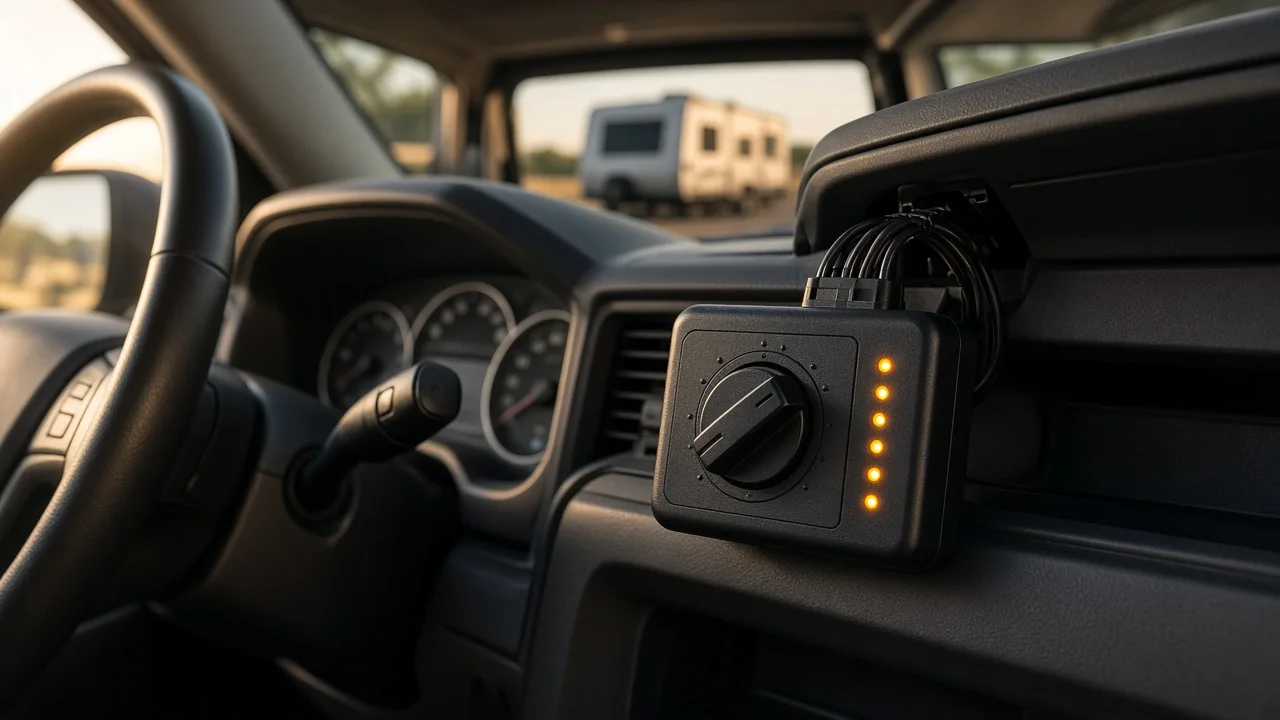
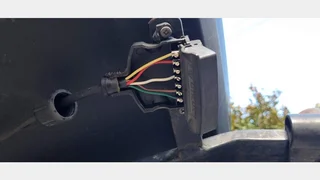
Choosing a Reese trailer brake controller means matching the unit’s output behavior to your tow vehicle, trailer weight, and braking expectations. A brake controller does not replace the trailer’s brake pads, rotors, calipers, or friction material; it modulates the electric signal that activates them. Before buying, check vehicle fitment, connector style, and whether your trailer uses electric or electric-over-hydraulic brakes. The right controller should feel predictable under light pedal pressure and stable on long descents, without abrupt grabbing or delayed trailer response.
The direct answer
A Reese trailer brake controller can be a practical choice when you need straightforward proportional braking for a travel trailer, utility trailer, or car hauler. The core decision is whether your tow vehicle has a matching plug-and-play harness or requires a universal wiring connection. Confirm the trailer axle brakes are in good condition, including adequate friction material and no fluid leaks at the caliper, because even the best controller cannot correct a mechanical problem at the wheel end.
Consider how the controller applies voltage as you press the brake pedal. Time-delayed units ramp power at a set rate, while proportional designs use an internal sensor to follow the tow vehicle’s deceleration. For varying loads, proportional response tends to feel smoother and reduces trailer push during downhill braking. Check the manual override lever placement and gain adjustment range, since easy reach and fine control matter more during repeated stops than a long feature list.