Reese Pod Brake Controller
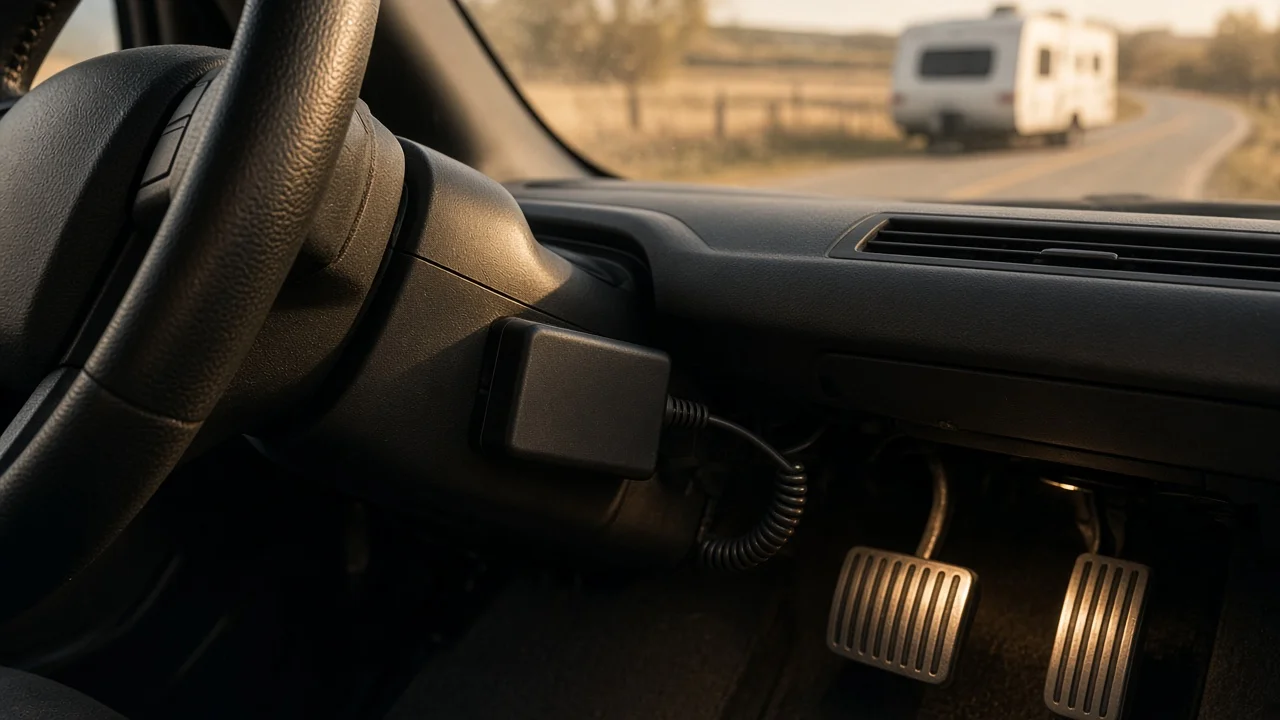
Choosing a trailer brake controller often comes down to fit, feel, and how easily the unit can be reached while towing. The Reese Pod brake controller draws attention because its compact housing is intended to free up under-dash space without eliminating the proportional-style modulation many drivers expect. A pod-style trailer brake controller still has to interpret brake pedal input and convert that into a usable trailer braking signal, so the installation angle, harness compatibility, and manual override behavior matter as much as the box itself. Buyers researching this product typically need to separate mounting convenience from actual braking response before connecting a trailer brake system.
The direct answer
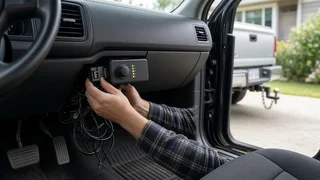
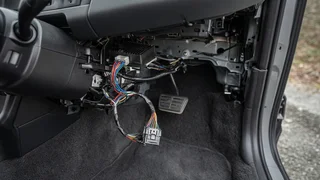
A pod trailer brake controller is a compact, often surface-mounted electronic unit that sends a graduated voltage signal to the trailer's electric brakes in step with tow-vehicle braking. The Reese Pod version is evaluated by most shoppers primarily for packaging: it mounts in a small pod rather than a full-size under-dash box. The direct answer to whether it fits a given tow vehicle starts with the controller's wiring interface. It must connect to the vehicle brake switch signal, battery power, ground, and the trailer brake output circuit, usually through a vehicle-specific adapter harness or a universal wiring pigtail.
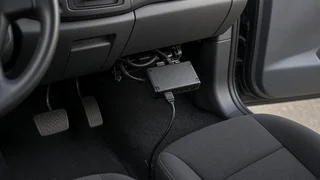
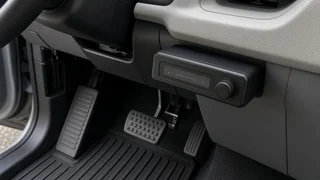
The practical buying decision hinges on mounting and access, not on guessing that a brake controller alone will fix weak trailer braking. Because the unit is compact, the driver should confirm the pod can be placed where the manual lever and gain adjustment remain reachable without interfering with knee room or lower dash panels. Condition matters when buying used: inspect the housing, connector pins, and lever movement, and verify whether the seller includes the mounting bracket and harness. Any controller that powers on but does not vary output during a stationary brake simulation needs further diagnosis rather than immediate replacement.