Redline Trailer Brake Controller
Choosing a brake controller for a towed trailer often comes down to how clearly it communicates braking force and how predictably it behaves with a loaded rig. The Redline Trailer Brake Controller is generally considered in this context for drivers who want a straightforward interface tied to the towing vehicle’s stopping action. Before buying, it helps to look at what the unit can reasonably tell you about output adjustments, trailer response, and compatibility with the existing brake system. No single nameplate or control style proves a unit is correctly matched to every trailer, so the practical starting point is to understand what you are asking the controller to do with the tow vehicle’s brake signal.
The direct answer
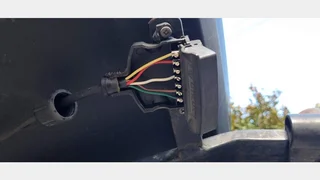
The Redline Trailer Brake Controller should be selected only after checking that its mounting style, electrical connection, and brake output range suit the trailer brakes you already have. The most useful immediate step is to review the trailer’s axle count, brake type, and the tow vehicle’s prewired connector instead of assuming the controller is universal. A controller that is compatible in basic wiring may still be a poor match if the trailer’s electric drum brakes need a different level of initial output or ramp behavior.
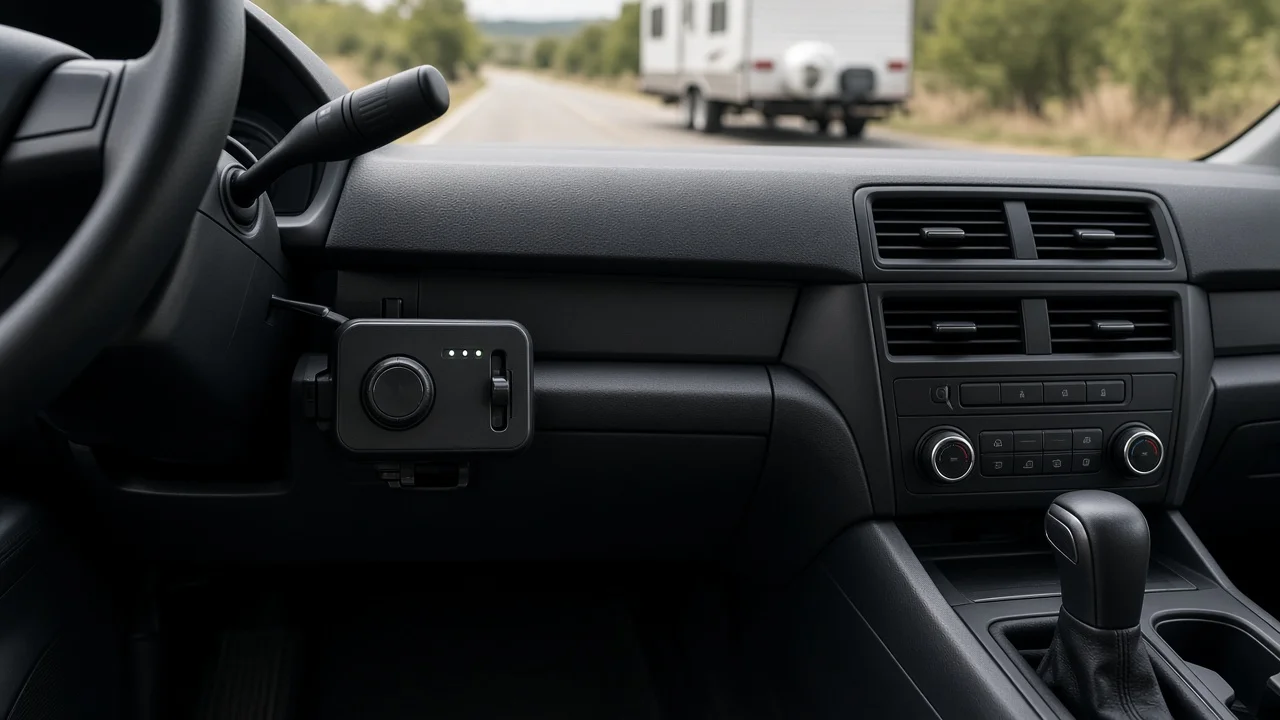
Practical selection also depends on how the controller measures deceleration and where it must be mounted. A unit designed for a dash or under-dash location can be easy to reach, but the install position should not interfere with the driver’s knee or line of sight. Because friction material, brake rotors, and caliper condition on the tow vehicle affect how smoothly the whole combination stops, the controller becomes part of a larger setup. Confirm vehicle fitment and available brake fluid service history before treating the control box as the only variable in trailer braking.