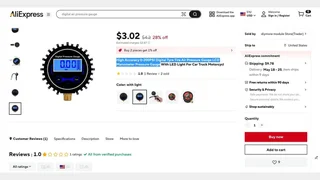
Rebco Tire Pressure Gauge
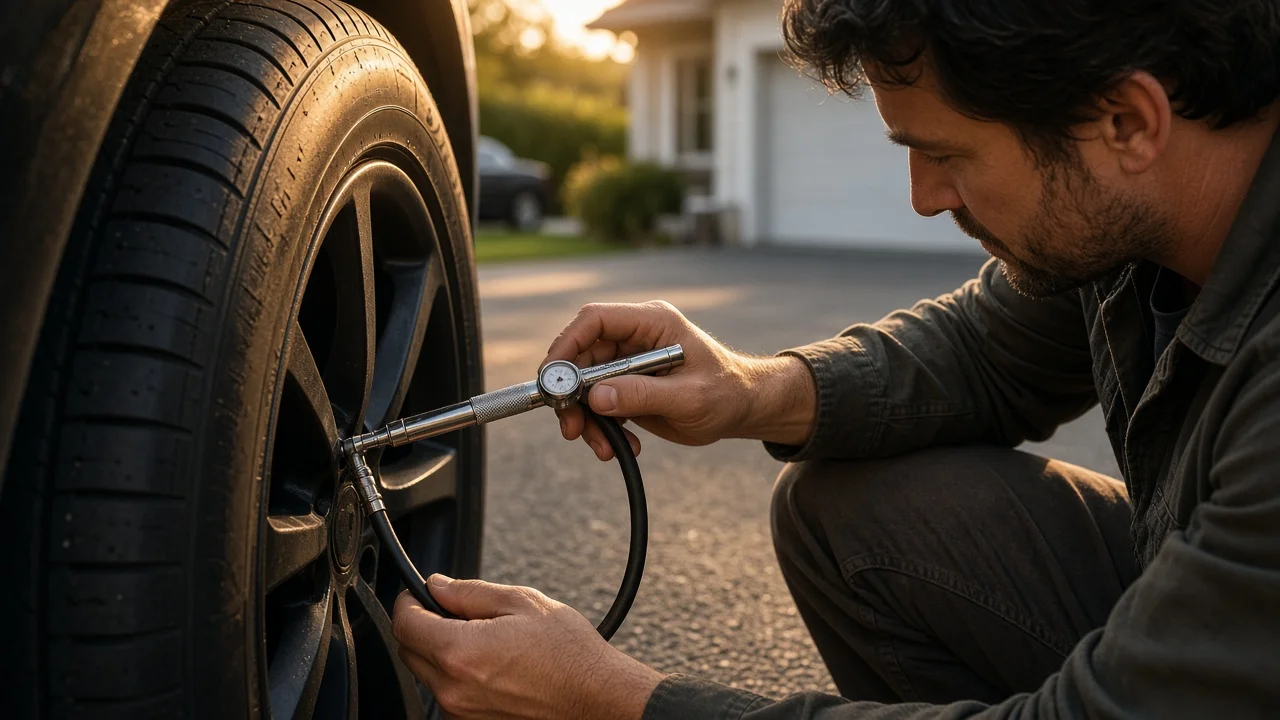
Checking tire pressure is one of the simplest ways to preserve fuel economy, steering response, and tread life, but the reading is only useful when the gauge itself is dependable. A Rebco tire pressure gauge is a small handheld tool for measuring the air pressure inside a tire, usually through a valve-stem connection. Choosing one means weighing accuracy, calibration stability, measurement range, and readable units against how and where you plan to use it. The direct answer below explains what to look for before buying and how to interpret the reading in psi or other supported scales.
The direct answer
A Rebco tire pressure gauge should be evaluated first by its measurement range and accuracy, not by brand name alone. For ordinary passenger cars and light trucks, the useful portion of the scale typically covers pressures near the vehicle specification printed on the driver’s door jamb. The gauge must connect cleanly to the valve stem so air does not escape during the reading. If the scale is marked in psi, match that unit to the specification you are checking; some gauges also display bar or kPa, which helps when comparing with a metric label but can cause confusion if read casually.
Calibration is the other practical concern. A mechanical gauge can drift after being dropped or stored in a hot glovebox, while a digital gauge may hold its zero point better but depends on battery condition and sensor stability. Before trusting any reading, compare it with a second known-good gauge on the same tire. A reading that changes several psi between attempts usually points to a poor valve connection or internal gauge wear rather than a true pressure change. Since tire pressure rises with heat, take a cold reading when the vehicle has been parked for a few hours for the most repeatable number.