Range Rover Electric: Expected Range and Related EV Plans
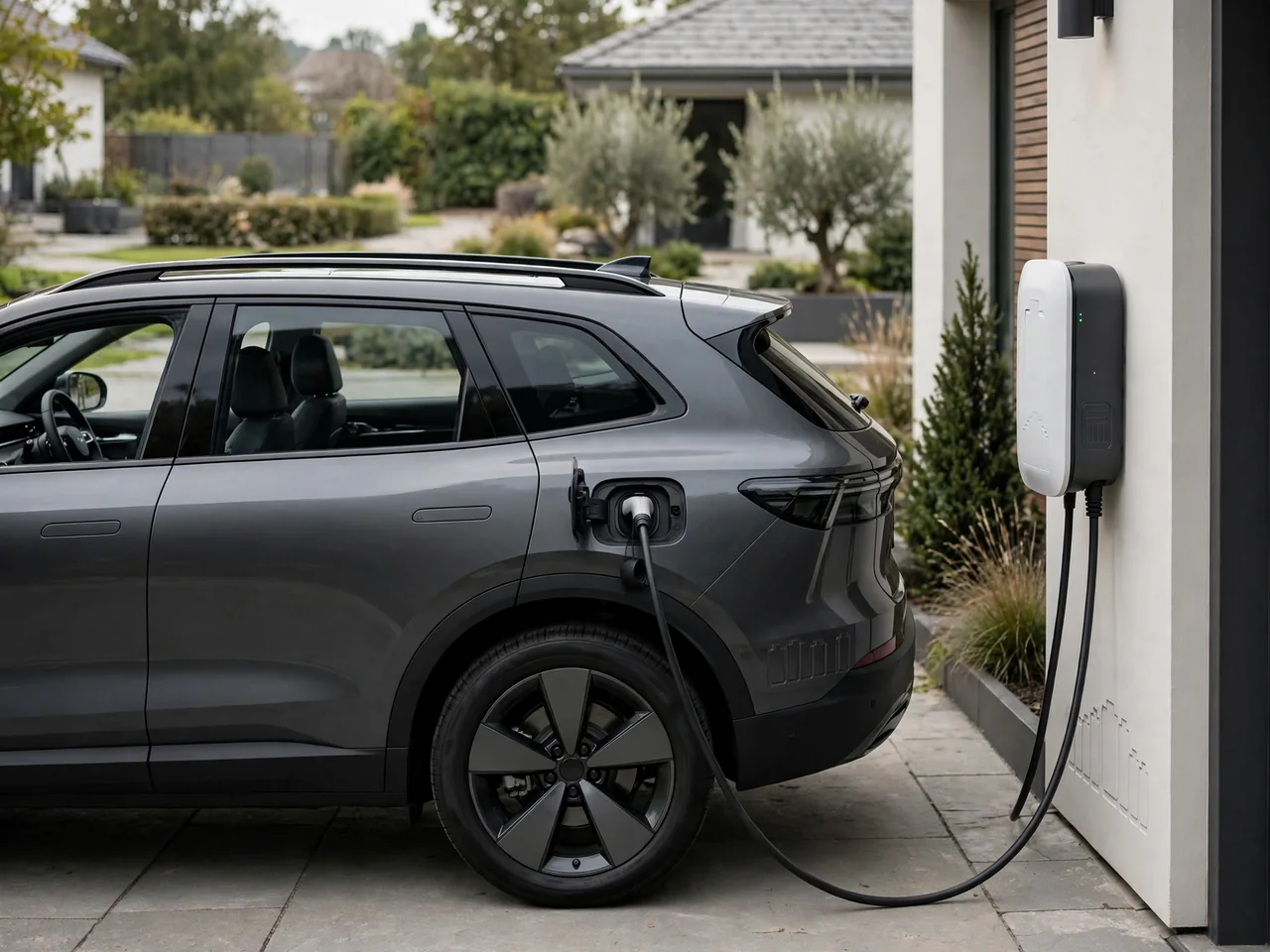
Interest in an EV Range Rover has grown as Land Rover moves its flagship toward battery electric propulsion. Here is what the Range Rover Electric name stands for, how to read range claims, and what model-year searches such as 2026 Range Rover EV actually indicate. It also covers where the Sport, Velar, Evoque and Defender stand, keeping confirmed information separate from targets and speculation.
What Range Rover Electric Means
The Range Rover Electric is the fully electric version of Land Rover's flagship luxury SUV. It is the vehicle most people mean when they search for a Range Rover EV or a Land Rover Range Rover EV. Land Rover has publicly used the Range Rover Electric name, which confirms the vehicle's identity and that it is battery electric. The name does not settle the details buyers care about most. Usable battery capacity, motor output, rated range and charging hardware remain open until official specification releases publish them.
A battery electric vehicle gets all of its propulsion energy from a traction battery and electric motors, with no combustion engine to extend range. That is fundamentally different from the existing Range Rover plug-in hybrid, which pairs a gasoline engine with a smaller battery for limited electric driving. Plug-in hybrid battery sizes, electric-only range and charging rates therefore say nothing reliable about the electric powertrain in the Range Rover Electric. Any EV specification should be labeled as confirmed, as a manufacturer target or as an unverified expectation, and weighed accordingly.
Expected Driving Range and What Remains Unconfirmed
People searching for Range Rover EV range want a number. For American shoppers, the figure that matters is a published US EPA range estimate, and no such rating is cited here. Until an EPA label exists, the rated range remains unresolved. If a figure circulates, check its test cycle and its status. A WLTP range comes from a European procedure that typically reads higher than EPA testing. A manufacturer target or preliminary estimate is not a certified result, so those labels should stay attached to the number.
Real-world driving range also changes with conditions. Sustained highway speed raises aerodynamic drag, and cold temperatures reduce battery efficiency while adding cabin heating load. Heavy climate control use, towing and hilly or off-road terrain all use more energy per mile. Battery capacity alone cannot predict range, because efficiency, vehicle weight and the difference between usable and gross capacity matter too. Charging speed describes how quickly energy is replenished, not how far the SUV travels. Expectations for home charging and DC fast charging should wait for confirmed onboard charger and peak charging capabilities.
How to Read 2025, 2026 and 2027 Model-Year References
Searches for a 2025 Range Rover EV, 2026 Range Rover EV, Range Rover EV 2026, 2026 Land Rover Range Rover EV and 2027 Range Rover EV reflect curiosity about timing. The wording itself proves nothing. A search phrase does not show that a US production model with that model-year designation exists. A model year is also separate from the calendar year in which a vehicle is announced, previewed or tested. A report dated in one year does not place the vehicle in that model year.
Before attaching specifications to any 2025, 2026 or 2027 vehicle, look for verified US model-year attribution in official Land Rover order guides, specification sheets or EPA listings. Without that, a model-year reference should stay labeled as unresolved rather than being filled in with guessed data. It is just as unreliable to work backward from a model-year label to infer when production starts or when deliveries reach dealers. Those schedules are separate facts, and the model-year tag in a search or headline cannot stand in for them.
What Is Established About a Range Rover Sport EV
A Range Rover Sport EV is a logical question, since the Sport is the more dynamic sibling of the flagship, but interest in the idea is not confirmation. The key check is whether Land Rover has officially named a fully electric Range Rover Sport in its product plans. If it has, the next question is how far that statement goes. Naming a future model is different from publishing its battery, motor and range data. Any official acknowledgment should be read only as far as its actual wording goes.
Much of the information shoppers find about an electric Range Rover Sport actually concerns the current plug-in hybrid. That model offers some electric-only driving but still relies on a gasoline engine, so it is not a battery electric vehicle. For a true Sport EV, range, battery capacity, charging capability and drivetrain layout are model-specific facts that each need their own confirmation. Specifications for the Range Rover Electric should not be carried over to the Sport either, because body size, weight, tuning and battery packaging could all differ.
Where Velar and Evoque Fit in Electric Vehicle Plans
The Velar and Evoque sit below the Range Rover and Range Rover Sport, and each needs to be considered separately. For a Range Rover Velar EV, the useful question is whether Land Rover has named an electric Velar specifically or has only discussed electrification in general terms. The same applies to a Range Rover Evoque EV, where current electrified versions are easy to confuse with future battery electric plans. Anything that official material does not tie to a specific named vehicle remains uncertain for that nameplate.
Statements about an underlying platform or a broader electrification strategy are often read as confirmation of a specific model, but they are not the same thing. A platform designed for electric powertrains can support different battery sizes, motor configurations and charging architectures. Platform plans alone therefore do not establish a vehicle's usable battery capacity, driving range or charging performance. Describing an electric Velar or Evoque meaningfully would require confirmed battery capacity, an EPA range estimate, charging capabilities, drivetrain layout and model-year attribution, not forecasts.
What Defender EV Searches Refer To
The search phrase Range Rover Defender EV blends two separate model families. Defender is its own Land Rover line, not a Range Rover variant, even though both come from the same company. People using that wording usually want to know whether an electric Defender exists or is planned. The answer depends on what the available confirmation covers. It could be a production battery electric Defender, Land Rover's broader electric vehicle plans, or another form of electrification, such as the plug-in hybrid Defender offered in some markets.
Results for an electric Defender can also include concept vehicles and conversions by third parties. Concepts show design direction. Conversions are independent projects, and their batteries, warranties and engineering have no bearing on a factory model. Keeping those categories separate from production plans avoids confusion. For any production electric Defender, driving range, towing ratings, wading depth and off-road capability remain unresolved until vehicle-specific figures are published. Battery weight, thermal management and motor tuning all affect each of those figures.