Ram 2500 4WD Actuator Fitment: How to Match the Right Part
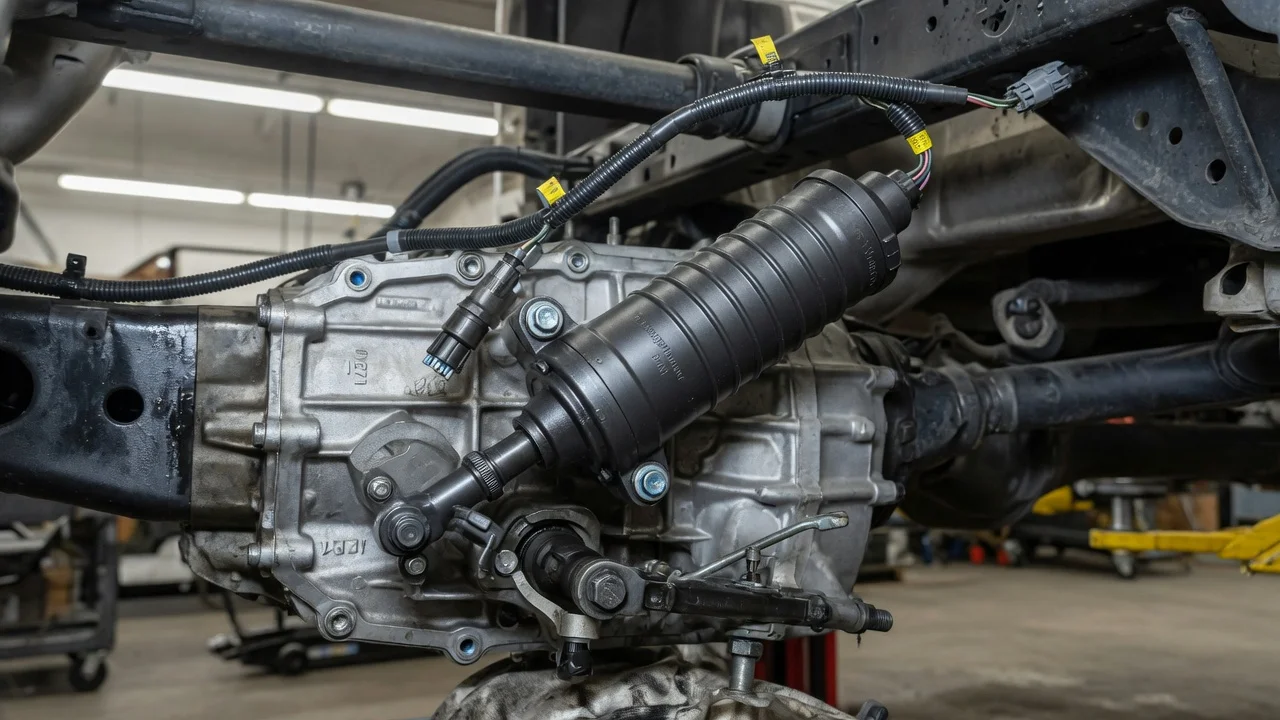
Finding the right 4WD actuator for a Ram 2500 depends less on the truck's name and more on how that particular truck engages its front axle. Ram heavy-duty pickups have used different axle and transfer case arrangements over the years, so two trucks that look alike can need different parts. This guide explains how to confirm fitment, what affects the match, and when to get help before buying.
The short answer on Ram 2500 4WD actuator fitment
No single 4WD actuator fits every Ram 2500. The correct part depends on the exact vehicle configuration: the model year, the front axle design, the transfer case, and whether four-wheel drive is selected with a floor lever or an electronic switch. A part listed for one year range or drivetrain can look similar to another but use a different connector, mounting pattern or internal travel. Any one of those differences can prevent proper engagement.
The most dependable way to confirm fitment is to match the part number printed or stamped on the unit you are replacing. Then cross-check it against a VIN-based lookup at a dealer parts counter or a reputable parts supplier. The VIN ties the order to the truck as it was built, and options that change the drivetrain are not always obvious from the outside. Also be clear about which component you need, because owners and sellers use the term 4WD actuator for more than one part.
How the 4WD actuator works
On Ram 2500 trucks with a front axle disconnect, the actuator is mounted on the front axle housing. When 4WD is selected, it moves a shift fork and collar that couple one front axle shaft to the differential so both front wheels can drive. In two-wheel drive it separates that shaft, so the front differential and driveshaft mostly stop turning with the wheels. Depending on the design, the actuator may be electrically or vacuum operated, and the replacement must be the same type.
The other component often called a 4WD actuator is the shift motor on an electronically shifted transfer case. It turns the shift mechanism inside the transfer case and reports its position to the control module through a sensor, so the module knows which mode is engaged. Trucks with a floor-mounted shift lever move the transfer case mechanically and do not use this motor. Depending on configuration, a truck may have an axle actuator, a transfer case shift motor, or both. Identify which one the symptoms point to before ordering.
What changes the answer
Several details decide whether a listed part will fit and work. Model year and truck generation come first, because Ram has revised axle and transfer case designs across generations. The front axle type determines the actuator body, mounting and stroke. The transfer case model and shift method determine whether a shift motor is involved and which one. The electrical connector's shape and pin count must match the harness. An electric unit cannot replace a vacuum unit without other changes.
Previous work can also change the answer. If the service history shows an earlier replacement, the unit now on the truck may be an aftermarket or superseded part with a different number than the original. Some owners install conversion kits that replace the factory actuator with a cable or manual engagement system. Going back to a factory-style actuator on such a truck may require restoring the original parts and wiring. Treat any part number from a modified truck as a clue to verify, not proof of original fitment.
Operating conditions do not change which part fits, but they affect how long the actuator lasts. Road salt, mud, water crossings and pressure washing near the front axle expose the actuator and its connector to moisture and corrosion. Shift components on trucks that rarely engage 4WD may become sluggish. Heavy-duty work such as plowing or towing in low traction puts more frequent demand on the system.
What the owner can do before ordering
Start with a careful inspection. Locate the actuator on the front axle or the shift motor on the transfer case, clean the area, and record any part number on its label or housing. Take clear photos of the connector, the mounting bolts and any vacuum lines. Check the harness for chafing, broken clips and corrosion in the connector. On vacuum-operated systems, look for cracked or disconnected hoses. A damaged wire or a vacuum leak can cause the same symptoms as a failed actuator and costs far less to fix.
Next, confirm the diagnosis. Note what the truck actually does: a flashing 4WD indicator, a mode that never engages, front wheels that do not pull, or grinding and clicking from the front axle. Read stored codes with a scan tool that can access the drivetrain modules, and check the relevant fuses listed in the owner's manual. If the symptoms and codes point to the actuator, order using both the part number and the VIN. Compare the new part with the old one before installing it.
After installation, test engagement on a loose or low-traction surface, or as the service information directs. Confirm that the indicator stops flashing and the front axle drives. There is no universal replacement interval for a 4WD actuator; it is replaced when it fails or when inspection shows damage. If the owner's manual or maintenance schedule for your truck includes front axle fluid service or periodic 4WD operation, following it helps keep the shift components working.
Limitations and the next step
This guide cannot confirm a part for a specific truck, because fitment depends on details that only the VIN, the original part number or the manufacturer specifications can settle. Check listings that cover a wide span of years, or both axle and transfer case applications, closely before buying. Symptoms that look like actuator failure can also come from the selector switch, a control module, wiring, the shift collar inside the axle, or internal transfer case wear.
Have a qualified technician with Ram service information diagnose the truck if any of these apply: you cannot identify the existing part, the codes point to a module or network fault, or the front axle grinds after a new actuator is installed. The service information may also call for a specific setup or programming step after replacement. A shop can confirm the exact configuration, run the correct tests, and make sure the actuator you buy fixes the problem rather than hiding another one.