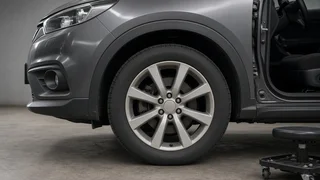
Ram 1500 and 2500 Wheel Offset (Stock and Aftermarket)

Choosing wheels for a Ram 1500 or Ram 2500 involves more than rim diameter and bolt pattern. Offset determines where the tire sits within the wheel well, shaping clearance, steering feel and suspension loading. Factory and aftermarket fitments differ on half-ton and heavy-duty trucks because their axles, hubs and bodywork are not the same. A wheel that looks right may still rub, change track width or load bearings differently. Understanding stock specifications and how offset shifts with rim width helps narrow the practical choices.
Essential answer
Wheel offset for a Ram 1500 and a Ram 2500 describes the distance between the wheel's mounting face and the centerline of the rim. Positive offset places the mounting surface toward the outer face, pulling the tire inward. Negative or lower offset pushes the tire outward toward the fender. Stock Ram wheels generally use positive offset to package the tire inside the wheel well, but the 1500 and 2500 are not automatically interchangeable simply because they may share a bolt pattern; hub size, load rating and suspension geometry matter.
Factory wheel offset on these trucks is intended to keep the tire centered over the bearing and steering axis. That reduces scrub radius change, steering kickback and unwanted stress on ball joints. Aftermarket wheels often use a more negative offset for a wider stance, but moving the tire outward increases fender clearance needs and can cause contact at full lock or suspension compression. Because the 2500 carries higher axle weights, the same offset change may affect steering effort and hub loading differently than on a 1500.