Ram 1500 4WD Front Axle Actuator Fitment: How to Match the Right Part
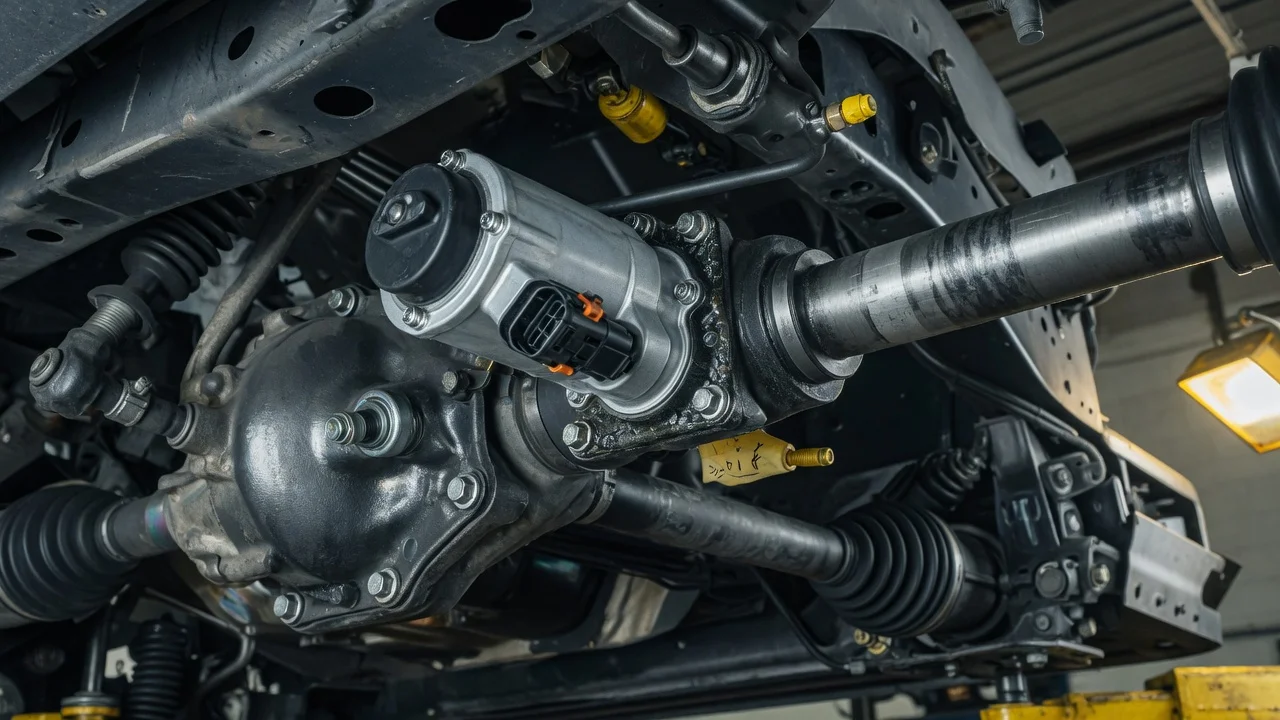
When a Ram 1500 stops engaging four-wheel drive, owners often look at the front axle actuator first. Buying a replacement is easy. Buying one that actually fits your truck takes more care. This guide explains which details decide whether a 4WD actuator suits a specific Ram 1500 or older Dodge Ram 1500, how the part works, and what to check before you order or install one.
Short answer: fitment depends on your exact truck
No single front axle actuator fits every Ram 1500. Fitment depends on the truck's vehicle configuration: model year and generation, whether it has four-wheel drive, the front axle and transfer case it was built with, and the design of the disconnect system on that axle. Trucks from neighboring years can use actuators with different connectors, mounting points or ways of operating. The reliable way to confirm a match is to look up the part by the 17-character VIN in a parts catalog or at a dealer parts counter. Then compare the new unit with the one on the truck before you install it.
Rear-wheel-drive Ram 1500 trucks do not use this part. A listing that says it fits a Ram 1500 without naming the drivetrain is not enough to confirm fitment. Treat a vague listing as a starting point only.
How the front axle actuator works
On many part-time four-wheel-drive pickups, the front driveshaft and differential would keep spinning in two-wheel drive if both front axle shafts stayed connected. A front axle disconnect system prevents this by separating one axle shaft from the differential when 4WD is off. When you select four-wheel drive, the transfer case starts sending power to the front driveshaft. The actuator then moves a shift fork or collar that locks the split axle shaft together, so torque can reach both front wheels.
Depending on the generation, the actuator may run on engine vacuum or on an electric motor or solenoid controlled by the truck's electronics. Either way, the actuator only engages and disengages the axle. If it fails, the transfer case may still be in 4WD while the front wheels get little or no drive. The dashboard may also show a flashing 4WD light or a service message.
What changes the right part for your Ram
Generation and model year matter first. The front axle and disconnect design has changed over time, and older trucks badged Dodge Ram 1500 can differ a lot from later Ram-branded models. The type of actuation matters next. A vacuum-operated unit cannot replace an electric one, and electric units vary in connector shape, pin count and wiring.
Physical details count as well. Compare the mounting bolt pattern, the shape of the actuator body, the length and style of the plunger or shift mechanism, and whether the part comes with a new seal or gasket. Some trucks built mid-year, or with certain trim, axle ratio or package combinations, may have a different front axle than is typical for that year. That is why a VIN lookup is more reliable than a search by year alone. Aftermarket listings sometimes cover a wide range of years, so check that the range matches your build and not just the badge.
Operating conditions affect how long the part lasts, though not which part fits. Trucks that often see water crossings, road salt or deep mud are hard on electrical connectors and seals near the front differential. Adding a quick look at the actuator area to your regular maintenance schedule can catch corrosion early. It does not replace following the manufacturer's own service guidance.
What the owner can do before buying
Start by confirming the actuator is the actual problem. Scan for stored trouble codes with a tool that reads the four-wheel-drive and transfer case modules, not only engine codes. Check the electrical connector for corrosion, water intrusion or broken locking tabs. Also check the related fuse, and look for chafed wiring near the front differential. On vacuum-operated systems, look for cracked, disconnected or brittle vacuum lines and a damaged check valve, because a vacuum leak can look like a failed actuator.
Once you know the actuator needs replacing, write down the part number on the old unit if you can read it, and match it with a VIN-based lookup. Photograph the connector and mounting before removal so you can compare them side by side with the new unit. During installation, clean the mounting surface and use the supplied or specified seal. Follow the manufacturer specifications for fastener torque and for any front differential fluid check. Record the work in the truck's service history so future diagnosis has a reference point.
After installation, test 4WD engagement at low speed on a loose surface, where you can feel whether the front wheels are pulling. Confirm that the dashboard indicator behaves normally.
Limitations and when to get help
This guide explains fitment in general terms. It cannot confirm fitment for a particular truck without its VIN and build data. A front axle that will not engage can also be caused by a worn shift fork or collar inside the axle, the transfer case or its control module, the selector switch, a wiring fault or a vacuum supply problem. A new actuator will not fix any of these. Have a qualified technician diagnose the system if codes point to a module or communication fault, if the shift fork is damaged, or if engagement still fails after you install a correctly matched actuator. They should have factory service information and a capable scan tool for the inspection.
The next step is simple. Get the VIN, look up the exact part, compare it physically with the original, and confirm the fault before you spend money on parts.