Choosing a Radiator With an Integrated Transmission Cooler
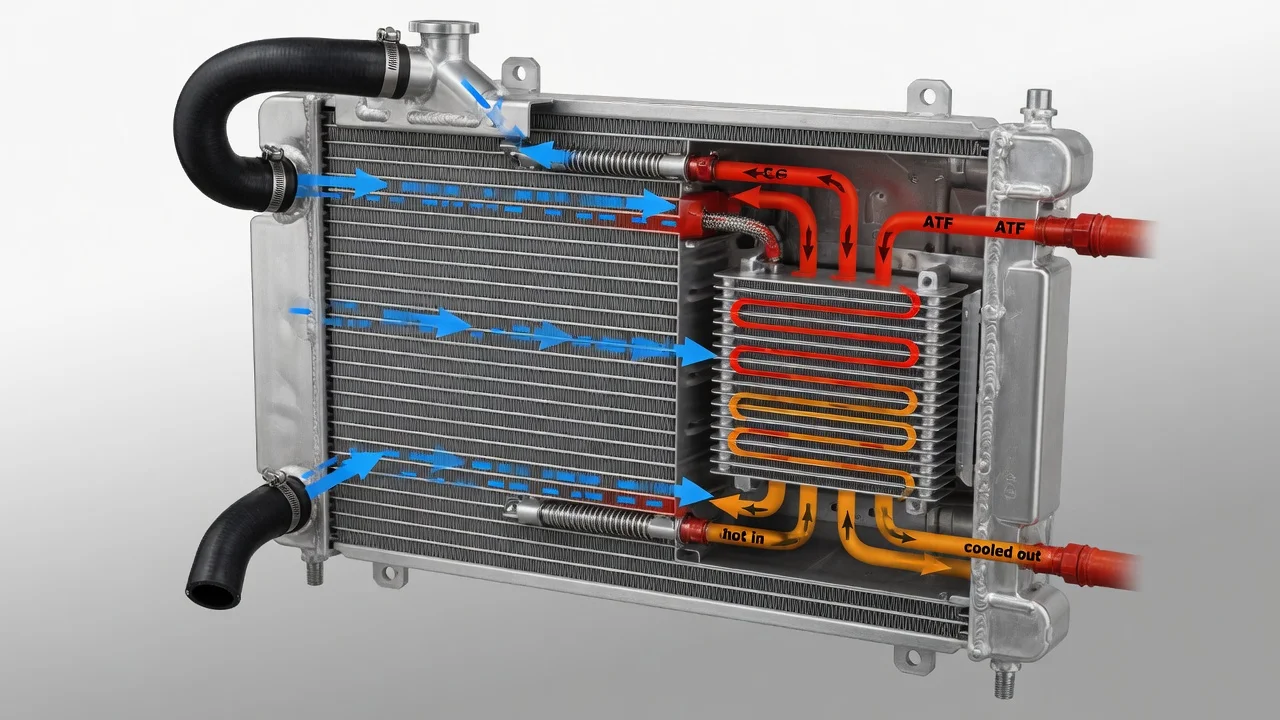
On most vehicles with an automatic transmission, the radiator does two jobs. It sheds engine heat from the coolant, and a small cooler built into one of its tanks also cools the transmission fluid. When that radiator leaks, clogs or fails internally, the replacement has to match both circuits. This guide explains how to choose a radiator with a transmission cooler that fits your vehicle, what the specifications tell you, and what the part costs to own.
Define the job the product must do
Start with the vehicle and how it is used. A radiator with an integrated transmission cooler is the standard setup on many automatic-transmission cars, trucks and SUVs. The same model with a manual transmission often uses a radiator without cooler ports. Confirm which version your vehicle had from the factory, because matching the body style or engine alone does not guarantee the right tank configuration. Some vehicles also route engine oil through a second cooler in the opposite tank, so check whether your original radiator has one set of cooler fittings or two.
Next, be honest about the duty cycle. A daily driver on paved roads needs a direct replacement that restores factory cooling. Regular towing, hauling, mountain driving or stop-and-go work in hot weather puts more heat into both the coolant and the transmission fluid. Those uses are where heavier-duty radiators and an additional auxiliary transmission cooler come into the discussion. Also note your practical constraints: budget, whether you will install the part yourself, and how soon the vehicle needs to be back on the road. These factors often decide between an economy replacement and a higher-grade unit more than any catalog label does.
Check compatibility
Compatibility comes down to physical interfaces. The core width, height and thickness must fit the opening and leave clearance to the fan, shroud and A/C condenser. The upper and lower hose necks must sit in the same positions and match the diameters of your existing hoses. The mounting pins, brackets and rubber isolators must line up with the core support. If your original radiator carries the pressure cap or a filler neck, the replacement must match that layout. Vehicles that use a separate surge tank have no cap on the radiator itself. Also check for any sensor ports, drain petcocks or bleeder screws your vehicle expects.
The transmission cooler connections deserve their own check. Note which tank holds the cooler ports and which direction they face: forward, backward or sideways. Then identify the fitting type, such as a threaded inverted flare, a quick-connect, or a fitting that needs an adapter. A radiator that requires adapters can work, but each added joint is another place to leak, and quick-connect retaining clips must seat fully. Compare the cooler line routing on your vehicle with the product photos so the lines reach without being bent or stretched.
The most reliable way to confirm fit is to cross-reference a part number. Use the original equipment part number or the number stamped on your current radiator. Then compare the listing's dimensions and port locations against your old unit. Treat year, make and model fitment tools as a starting point rather than proof, especially on vehicles offered with several engine, transmission or towing package options.
Features that affect the choice
Construction is the main trade-off. Most current replacements use an aluminum core with plastic tanks crimped onto it. This design matches many factory radiators and keeps the cost down, but the plastic tanks and their gaskets are typically the first parts to wear as the radiator ages. All-aluminum radiators with welded tanks are common in heavy-duty and performance applications. They still need the correct internal transmission cooler and fittings to be a direct fit, and some are sold without one. Copper-brass units appear mostly on older vehicles and can often be repaired, but they are heavier.
Labels such as heavy-duty, towing or high-performance are not specifications on their own. More useful evidence includes the listed core thickness and row count compared with the original, the tube and fin construction, and whether the transmission cooler is a tube or plate design. Pressure-testing statements from the manufacturer and the warranty terms are also worth reading. A thicker core can move more heat, but it has to clear the fan and may need the original shroud to seal properly. More rows do not automatically mean better cooling, because tube width and fin design matter as much as the count.
Look at what comes in the box. Some radiators include new isolators, a drain plug, or cooler line fittings and O-rings, while others require you to reuse parts from the old unit. A missing small part can delay the job, so read the included-hardware list before ordering.
Limitations and ownership costs
Installation means draining coolant and disconnecting the transmission lines. Plan for some transmission fluid loss and have the correct fluid on hand. Drain the cooling system or remove the pressure cap only after the engine has fully cooled; never open a hot, pressurized system. Use line wrenches on threaded cooler fittings, cap the lines while they are open, and fit any new O-rings or seals supplied with the part. After installation, check the transmission fluid level using the procedure your vehicle specifies. On some sealed transmissions, that procedure requires a specific fluid temperature and method.
Refill with coolant that meets your vehicle's coolant specification, mixed to the recommended coolant concentration. Coolant color alone does not establish compatibility, so check the label against the specification in your owner's manual. Bleed air pockets from the cooling circuit as the manufacturer describes, because trapped air can cause overheating or erratic heater output. Many owners replace the thermostat and pressure cap at the same time, since both are inexpensive and their condition affects how well the new radiator performs. Budget for coolant, transmission fluid, clamps, possibly hoses, and either your own time or shop labor.
Know what a new radiator cannot fix. It will not cure a failing water pump, a stuck thermostat, a weak fan, a head gasket leak or internal transmission wear. If the old radiator's transmission cooler leaked internally, coolant and transmission fluid may have mixed. That contamination needs a proper diagnosis and fluid service, not just a new radiator. Likewise, if the transmission failed and shed debris, the cooler lines need flushing so the debris does not end up in the new cooler. For heavy towing, an integrated cooler may not be enough on its own, and adding an auxiliary cooler is a separate decision.
Build a practical shortlist
Narrow the field by running the same checks on every candidate. Confirm the original part number cross-reference and the transmission type. Match the core dimensions, hose neck positions and diameters, and mounting points. Verify the transmission cooler port location and fitting type, and whether adapters are needed. Check for a second oil cooler if your vehicle has one. Finally, note the cap or filler arrangement and any sensor or drain ports.
Then compare the remaining options on construction, core thickness relative to the original, included hardware and warranty length. Add the cost of coolant, fluid, and any replacement thermostat, pressure cap or hoses to the purchase price, so you compare the total cost of the job rather than the radiator alone. A candidate that passes every fitment check without adapters and suits your duty cycle is usually a safer choice than one that wins only on price or labeling.