Quick and Express Oil Change Options
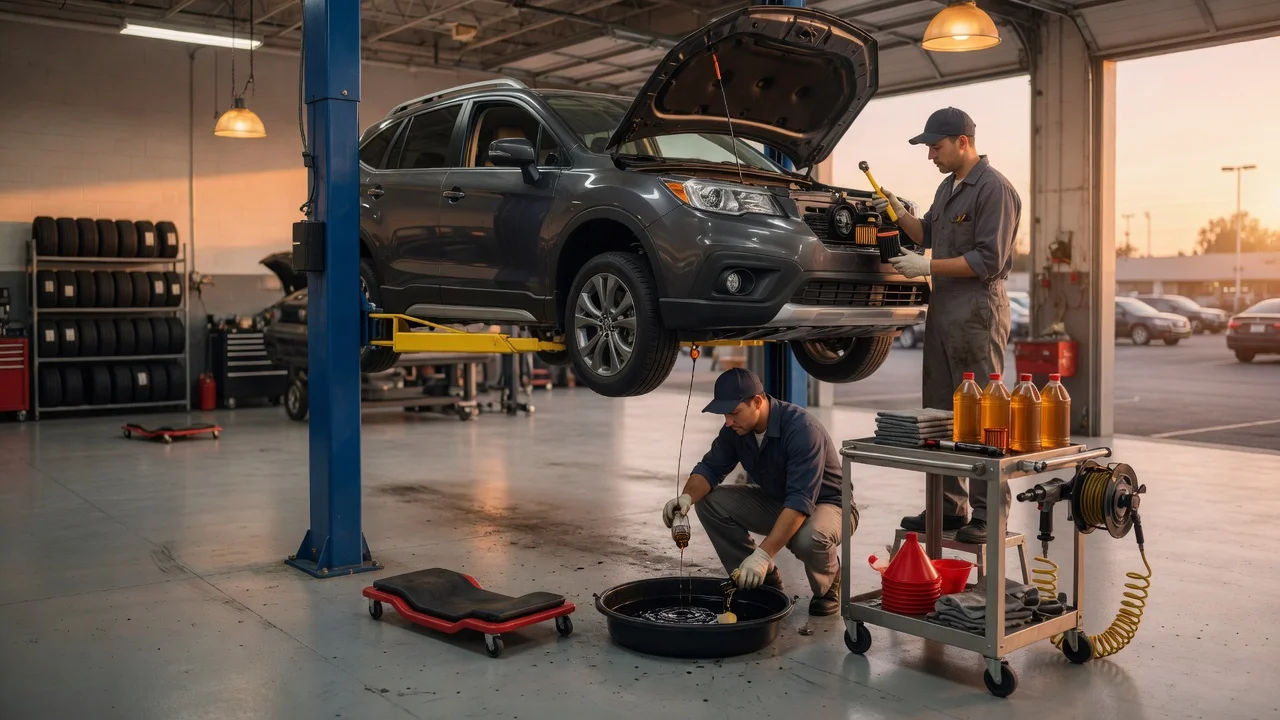
Before you start
A fast oil change is usually performed on site at a service bay or drive-thru lane, not remotely. The vehicle must be present so a technician can access the drain plug, filter, and fill point. Check the owner's manual or the maintenance schedule for the oil type, viscosity, filter type, and recommended interval. Also make sure the engine is warm enough to drain but not hot enough to cause burns; many providers prefer a short cool-down period before service. Bring any maintenance records or reminder sticker information if you want the next service interval recorded.
Express services typically cover a basic oil and filter change. Extra items such as air filters, wiper blades, tire rotation, fluid top-offs, or battery checks may be offered separately and can add time. Ask whether the advertised quick oil change includes the filter and the oil grade your vehicle requires, and whether any shop supplies or disposal fees are added.
Step-by-step instructions
1) Identify nearby locations that advertise express, drive-thru, or stay-in-vehicle oil changes. Search for terms such as quick oil change, 5 minute oil change, oilstop drive thru oil change, or 10 minute oil change along with your city or ZIP code.
2) Read the location details for the current day's hours, real-time wait estimate if available, and whether walk-ins are accepted. Some express lanes are first-come, first-served, while others allow online check-in to hold a place in line.
3) Confirm the vehicle requirements before starting the service. Provide the year, make, model, engine, and current mileage. The advisor can use this to check oil capacity, oil grade, and filter compatibility.
4) Select the oil type shown as compatible with your vehicle. Options may include conventional, synthetic blend, full synthetic, or high-mileage oil. The displayed service time can vary by oil type and filter location, but basic express service is designed for a short visit.
5) Follow the shop's guidance about where to wait. At a drive-thru or stay-in-vehicle location, you may remain in the car while technicians work below it. At other express bays, you may be directed to a waiting area behind a viewing window.
6) Pay attention to any recommended additional maintenance. You can decline optional services and keep the visit limited to the oil change. A printed or digital receipt should list what was installed, oil quantity, oil grade, filter type, and the next service suggestion.
Check the output
Confirm that the service receipt shows the oil grade and filter requested. Ask the technician to show the dipstick level after the engine has been briefly run and shut off, and check for obvious leaks under the vehicle before leaving. The oil-level warning light, if equipped, should not stay illuminated. Most providers also place a reminder sticker on the windshield with the mileage or date for the next interval. Express time claims are estimates and may not account for wait time, optional services, or unusual filter locations.
Common problems and next steps
If the location cannot honor the advertised fast time because of a queue or equipment issue, decide whether to wait, reschedule, or choose another provider. A service that is unusually quick may still be complete if the technician follows the standard drain, filter replacement, and fill procedure; confirm the old filter was replaced rather than only topped off. For vehicles with a cartridge filter, skid plate, or hard-to-reach filter housing, service may take longer than the sign suggests.
If you keep the vehicle and later notice a burning oil smell, dripping, or a low dipstick reading, return to the shop or contact another qualified service location. Do not continue driving with a low oil level or oil pressure warning. Keep the receipt so the shop can review what was installed and verify the filter, drain plug, and fill cap are secure.
For future visits, note whether the provider uses the oil grade your owner's manual specifies and whether the quick oil change package includes a filter. Scheduling during less busy hours may reduce the total wait, but express service speed cannot be guaranteed during peak demand.