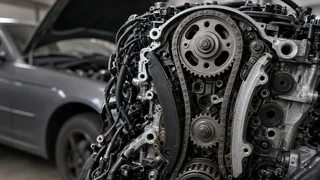
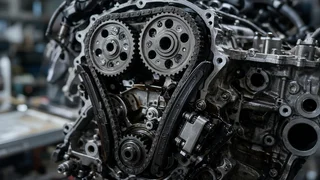
Pushrod engine vs timing chain
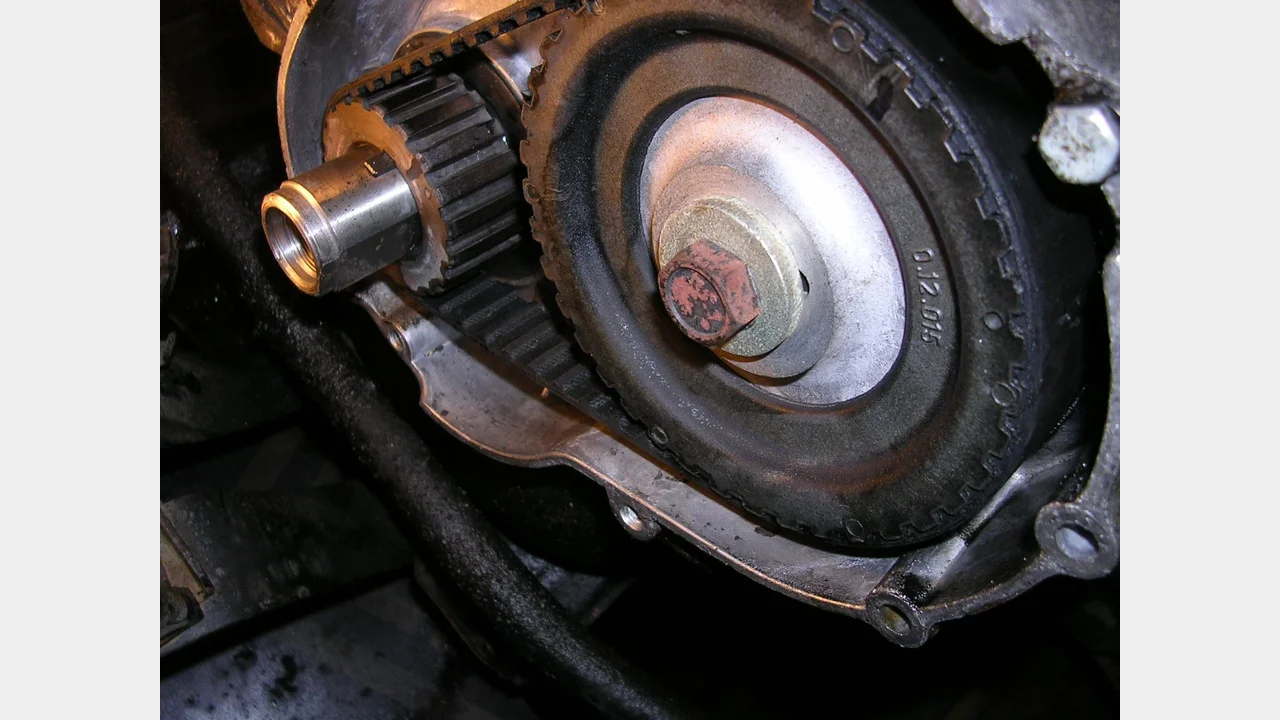
Comparing a pushrod engine with a timing chain is really a comparison of two different things: one is a broad engine configuration, while the other is a specific valvetrain drive component. A pushrod V-8 can use a timing chain, and many do. The useful question is what each design means for packaging, low-end torque, maintenance access, and the noises you may hear over time. Understanding this distinction helps you evaluate a used vehicle, interpret a rattle at cold start, or choose an engine layout that fits the kind of driving and service expectations you actually have.
Direct answer
A pushrod engine is an overhead-valve design in which a camshaft located in the block acts on lifters and pushrods to open valves in the cylinder heads. By contrast, a timing chain is a metal chain that synchronizes the crankshaft and camshaft, and it can be used in both pushrod and overhead-cam engines. Saying pushrod engine versus timing chain therefore compares a whole engine architecture with one part of the valvetrain timing system rather than two mutually exclusive alternatives.
In practical terms, a traditional pushrod V-8 is often compact for its displacement and can produce strong low-rpm torque, while a timing chain offers durability compared with older belt drives but may eventually stretch or allow guide wear. The real ownership difference appears in service access and symptom diagnosis. A noisy startup rattle may point to chain tensioner or guide concerns, whereas a valvetrain tick could involve lifters or pushrods. Each observation should be confirmed against the specific engine design and service history before blaming a particular component.