Progressive Trailer Brake Controller
Choosing a Progressive trailer brake controller starts with matching the unit to your tow vehicle and trailer brake type. The goal is predictable, proportional stopping without abrupt trailer push or delayed response. Installation and adjustment affect how smoothly the trailer brakes engage, while the tow vehicle’s brake pads, rotors, brake fluid, and calipers must remain in good condition. Understanding basic wear limits, friction material behavior, and vehicle fitment helps you evaluate whether a particular controller will work with your existing wiring, mounting location, and brake system before you buy.
The direct answer
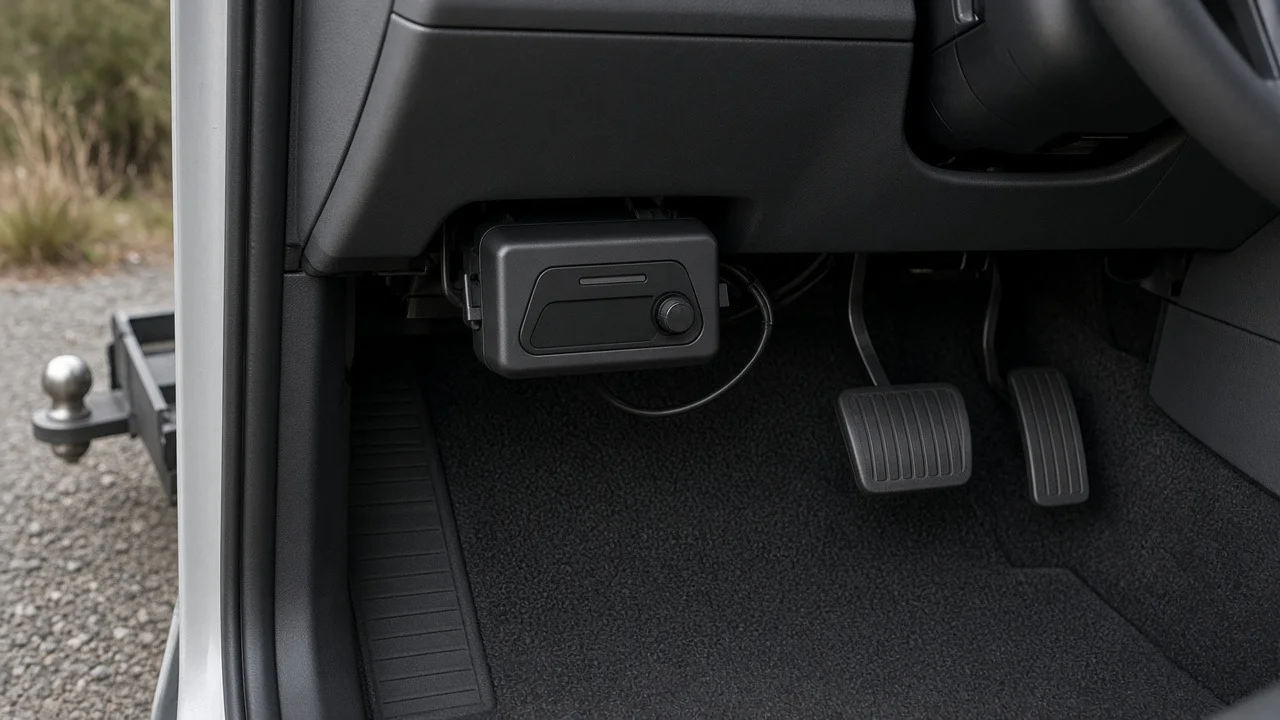
A Progressive trailer brake controller is a useful choice when you need an aftermarket unit that applies trailer brakes in proportion to the tow vehicle’s deceleration. The immediate answer is that it can work well for many light-duty and medium-duty towing setups, provided the controller matches your trailer’s electric brake system and your vehicle has a compatible brake control connection or a hardwired installation point. The right unit should give you adjustable gain and a manual override lever so you can tune trailer braking force for load weight and road conditions.
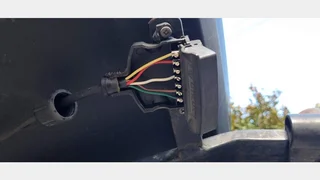
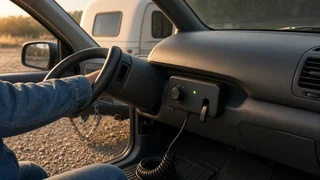
Before purchasing, confirm the controller’s mounting orientation and connector style suit your dashboard or under-dash area. Some vehicles need an adapter harness, while others require splicing into the brake switch signal and trailer brake output wire. Because braking performance also depends on the tow vehicle’s calipers, brake fluid condition, and rotor surface, a controller cannot compensate for worn friction material or contaminated fluid. Use the controller as one part of a properly matched towing brake system rather than a fix for existing brake faults.