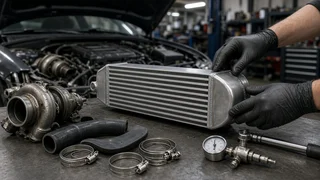
Process West turbo to intercooler hose adapter
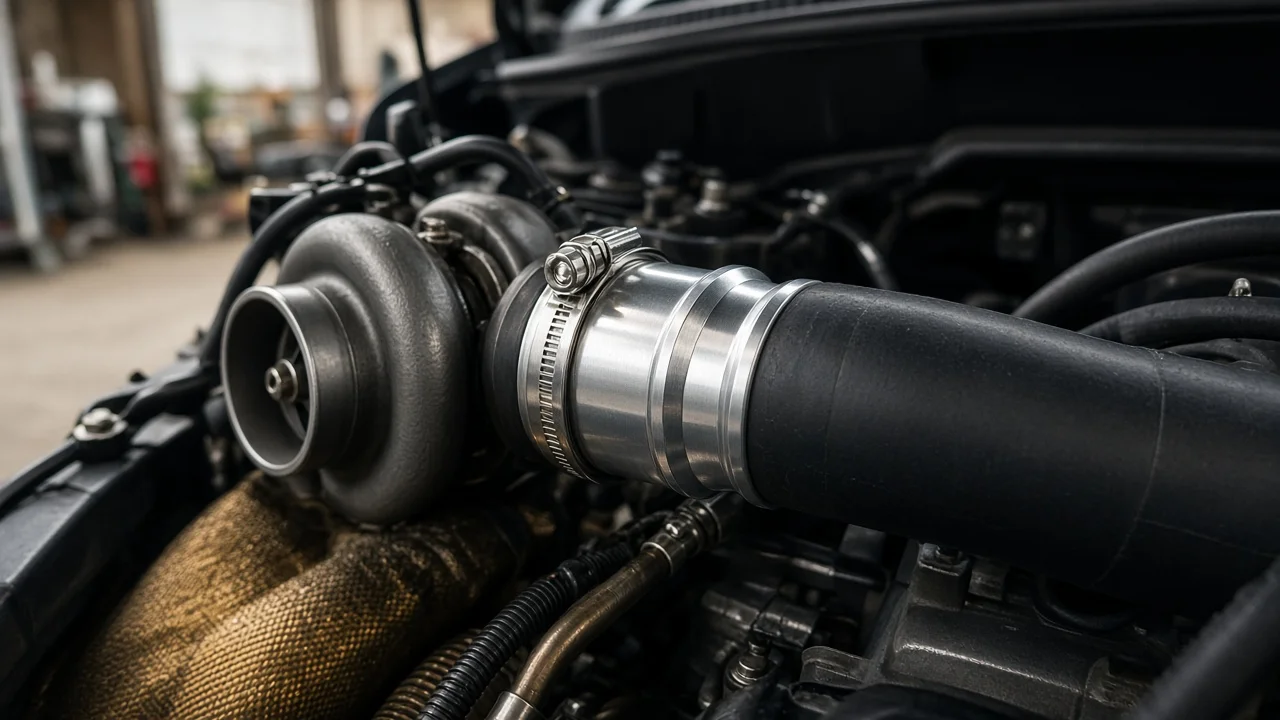
Choosing the right Process West turbo to intercooler hose adapter starts with understanding how the connection behaves under boost. A loose or poorly matched joint can create pressure loss, raise charge-air temperature at the compressor outlet, and let oil contamination weaken the hose. The adapter is meant to provide a secure hose connection between the turbo and intercooler piping, but fitment depends on the specific vehicle, turbocharger, and existing piping. This guide explains the practical checks that help a buyer evaluate a suitable part before purchasing.
The direct answer
The direct answer is that a Process West turbo to intercooler hose adapter can be a useful upgrade when the original connection is leaking, distorted, or no longer sealing reliably. The part is designed to create a firmer hose connection at the compressor outlet, reducing the chance of boost pressure escaping before the intercooler. However, it is not a universal repair piece. The adapter must match the turbocharger outlet, the intercooler piping diameter, and the hose style already fitted to the vehicle, so compatibility should be confirmed before ordering.
A buyer should also treat the adapter as one part of the complete charge-air path. If the hose itself is swollen from oil contamination or hardened by heat, a new adapter alone may not restore a consistent seal. Inspect the existing turbo to intercooler hose for cracks, soft spots, or deformation at the clamp area. When the hose end is damaged, replacing it along with the adapter gives a more reliable result, because the clamp must compress the hose evenly onto the adapter to control pressure loss.