Power Window Not Working After Battery Change: Causes and Next Steps
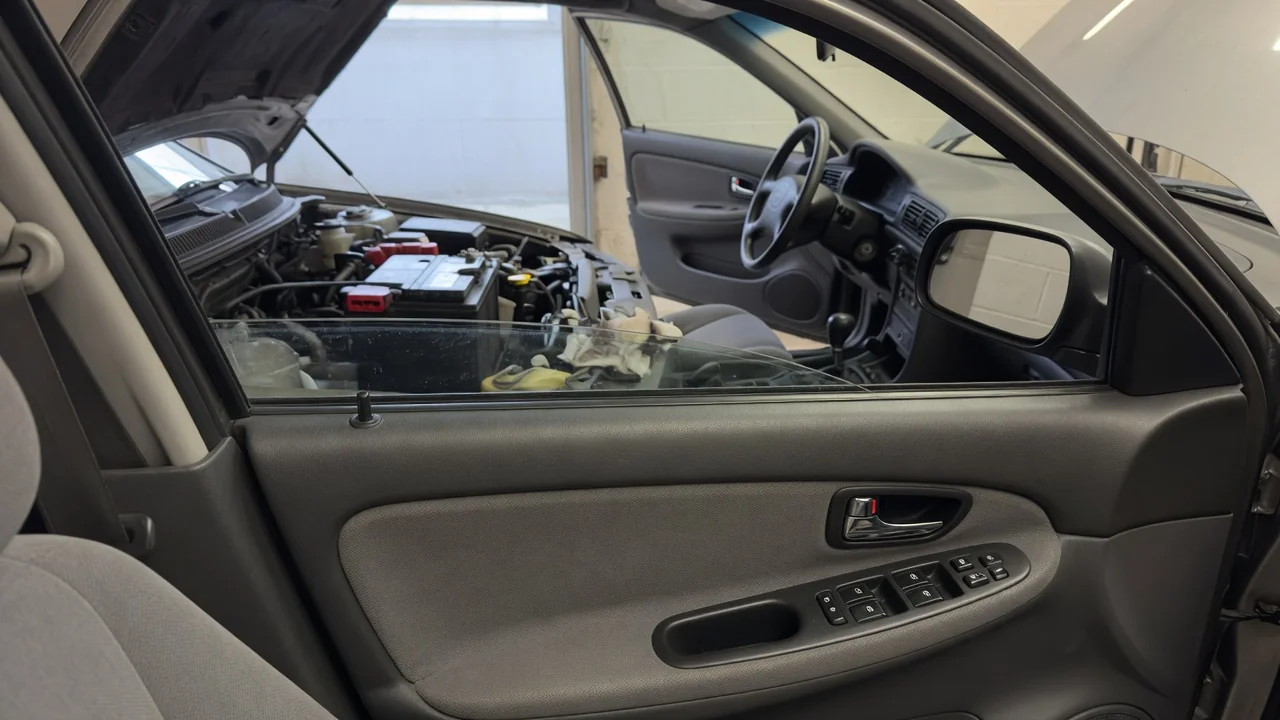
A power window not working after battery change is a common frustration, and it is usually fixable. Disconnecting the battery can erase learned window settings, and small slips during the swap can interrupt power to the window circuit. This guide covers the likely causes and how to read the symptoms. It also explains which safe checks are worth doing yourself and when a technician should take over the diagnosis.
Why a Power Window Can Stop Working After a Battery Change
Many modern window systems store information about where the glass sits and where its travel ends. Depending on the vehicle, a window control module or the body control module uses that stored data to run one-touch window operation and pinch protection, which reverses the glass if it senses an obstruction. Cutting battery power can wipe that memory. The window may still move while the switch is held, but auto up often stops working because the system no longer trusts its position data until it relearns.
Not every problem is lost memory. A battery terminal connection that wasn't fully tightened, a replacement battery that arrived partly discharged, or a fuse that blew from a brief short during removal can all look like a window fault. Timing can also mislead you. A window motor or regulator that was already wearing out may simply fail the same week. Window behavior after a power loss differs by make, model, and year, so the owner's manual is a better guide than assuming one universal cause.
Pinning Down the Symptom: Dead Window, Lost Auto Function, or One Door Only
Start by describing exactly what the window does. If it doesn't move at all, the likely causes are power, the switch, a fuse, or the motor. If it moves normally while you hold the switch but no longer goes all the way with one touch, lost position limits are more likely than a failed part. Slow or hesitant movement can hint at low voltage or a binding regulator. Noting these details before you check anything narrows the possibilities considerably.
Scope matters too. When every window is dead, suspect something they share, such as a common fuse, ignition feed, or connection problem. A single dead passenger door points toward that door's switch, wiring, or motor. Test each window from its own door switch and from the driver's master switch, and note any difference. Listen while you press. A hum or click suggests a command is reaching the motor or relay, while silence may mean no power is arriving, but neither sound confirms which component has failed.
Simple Safe Checks Before Assuming a Fault
Before assuming a fault, confirm the basics. Many vehicles power the windows only with the ignition on or in accessory mode. Some keep the windows working for a short time after shutoff, then cut them off once a door opens. Next, look at the window lockout switch on the driver's panel. It is easy to bump while reaching for the door handle. When it's engaged, it disables the passenger switches while the driver's master controls still work, which can look like a sudden failure.
With the engine off and the keys out, look over the battery. Check for a clamp that sits loose, rocks on its post, or shows white or green corrosion. Don't touch both terminals at once or lay metal tools across them. Then think about other electrical features. Flickering dash lights, a radio that keeps resetting, power locks acting oddly, or new warning messages suggest a broader power or connection problem rather than a window problem, which changes where diagnosis should focus.
Window Reinitialization and Relearn Basics
Many vehicles need a window to relearn its fully open and fully closed positions after power is lost. This power window reset, often called a window relearn procedure or initialization, teaches the system where travel begins and ends so one-touch operation and pinch protection can work again. The exact steps, including how long to hold the switch and in which direction, vary by vehicle. Follow your owner's manual or official manufacturer information rather than steps written for a different model.
Until the relearn succeeds, pinch protection may not work. That means the glass might not stop or reverse if something is in its path. Keep hands, children, pets, and objects clear of the opening whenever the window moves, and watch it through its full travel. If you have completed the relearn listed in your manual and the auto function still hasn't returned, stop repeating it. More attempts rarely fix an underlying problem and can strain a weak motor, so move on to further diagnosis.
Fuses, Connections, and Battery Condition After the Swap
The fuse box diagram in your owner's manual shows where the power window fuse sits and which circuits it protects. Some vehicles use several window-related fuses or a circuit breaker instead. With the ignition off, remove the fuse and look for a broken element or a darkened casing. Replace it only with a fuse of the specified rating. If a new fuse blows again, that points to an underlying electrical fault, such as a pinched wire or a shorting motor, that needs professional testing, never a bigger fuse.
Battery condition matters as much as fuses. A replacement battery that sat on a shelf may be undercharged, and one with the wrong specification may struggle to supply steady voltage. Low voltage can make power accessories slow, erratic, or unresponsive, and it can disrupt stored settings. A ground strap or connector disturbed during the battery work can also cause intermittent problems. Look for frayed cables, loose ground points near the battery, or connectors that seem only partly seated, without pulling on any wiring.
When to Get Professional Diagnosis
Some signs mean it's time for a technician instead of more home checks. These include no response from any switch after the basics check out, a fuse that keeps blowing, a burning or hot electrical smell, and glass that drops into the door, tilts, binds, or only moves with help. Some vehicles may also need a scan tool or module setup to bring back window functions after a power loss. Whether that applies depends on the specific make, model, and electronic design.
Avoid taking door panels apart or probing wiring without the right knowledge and tools. Door panels can hide sharp metal edges, tensioned regulator parts, and safety-related wiring, including side airbag components in some vehicles. Instead, give the technician clear notes covering when the battery was replaced, which windows are affected, and whether a window is fully dead or has only lost its auto function. Also mention any sounds you heard and the checks you've already done. These notes shorten diagnosis and help separate a simple relearn from a failing window motor.