Power Steering Pump Whining, Squealing, and Other Failure Symptoms
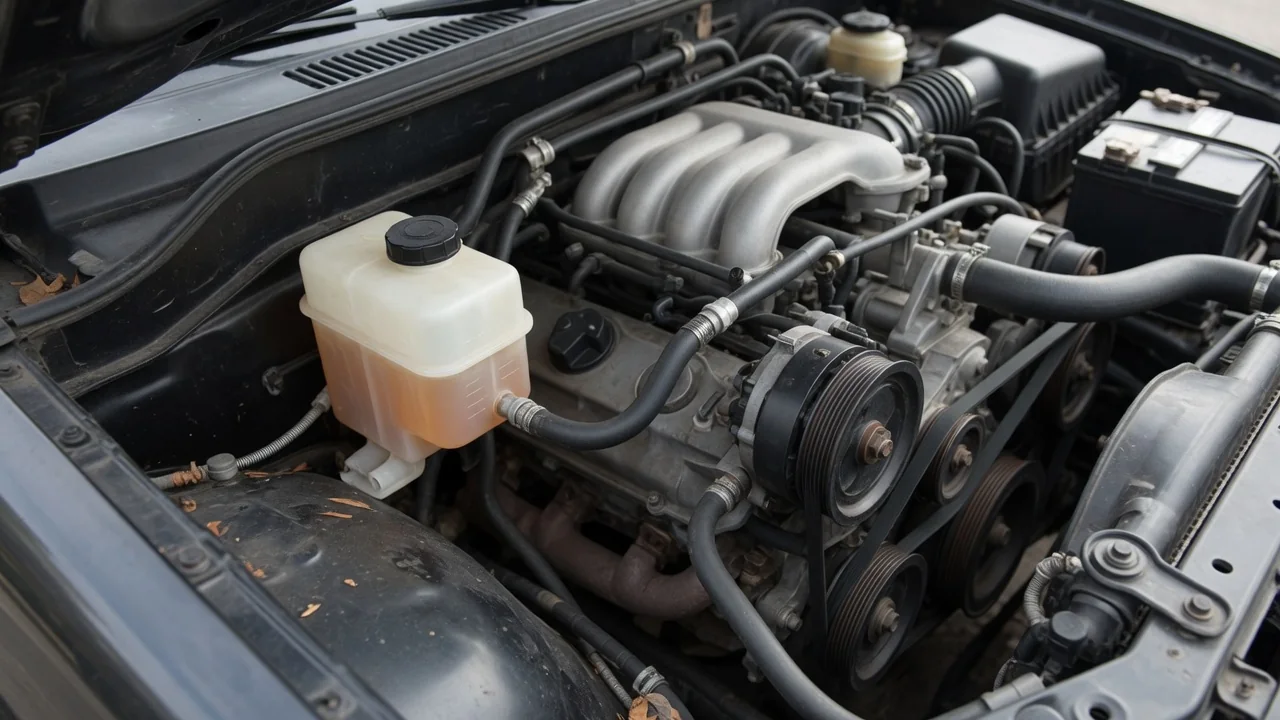
A noisy power steering pump, a power steering whine during parking-lot turns, or a sudden change in hydraulic steering assist can all look like power steering pump problem symptoms. Those clues still need context. On a hydraulic system, fluid supply, belt drive, hoses, and the steering gear can produce similar power steering pump noises. Confirm the vehicle actually uses a hydraulic pump before treating every squeal or groan as a failed unit.
Symptoms That Can Point to a Power Steering Pump Problem
Hydraulic power steering uses a belt-driven or otherwise engine-driven pump to build pressure that lightens the steering effort. Before assuming the pump is even in the picture, verify that the vehicle has a hydraulic circuit rather than electric assist. Possible clues include heavy steering at low speed, intermittent assistance that comes and goes with engine speed or fluid temperature, steering-related noise, and visible steering fluid leaks around the reservoir, hoses, or pump housing. A pump can also lose output quietly, so absence of sound does not clear the unit.
Those findings do not prove the pump has failed. A low steering fluid level, air in the circuit, a slipping drive belt, a damaged pump pulley, collapsed supply hose, or a worn steering gear can all reduce hydraulic steering assist and create a noisy power steering pump impression. The useful first question is whether assistance and sound change with steering input, idle, or warmup, not whether a part name matches the noise. Treat the cluster of clues as a reason to inspect the whole hydraulic path.
Why Power Steering Whines During Turns
When power steering is whining, especially as the wheel is turned, the sound often tracks with demand for pressure. Low fluid, fluid aeration from a leaking suction path, a restricted supply to the pump, or internal pump wear can all produce a power steering whine. Air in the fluid compresses and cavitates under load, so the pump may whine more during parking maneuvers than on a straight highway. Restricted inlet flow has a similar effect because the pump is asked for volume it cannot draw smoothly.
Note whether the power steering pump whines at cold startup, after the fluid warms, or only during steering input. If power steering whines briefly in the morning and then quiets, aeration or thick fluid may be involved, while a lasting note under load is more consistent with an ongoing supply or internal issue. The sound still cannot identify a failed pump or pinpoint the fault. Do not hold the wheel against its stop or keep repeating the turn that brings the noise back, because that adds heat and hydraulic load without improving the diagnosis.
What a Squeal During Steering Can Indicate
Power steering pump squealing under load is often a belt-drive story rather than a hydraulic one. On belt-driven systems, a slipping or contaminated drive belt, a weak tensioner, or a glazed pump pulley can chirp when steering demand raises the load on the pump. A binding or internally seized pump can also drag the belt, so attributing every squeal to the belt leaves the diagnosis incomplete. Listen for whether the power steering pump is noisy only under steering load or also with the wheel held still as engine speed changes.
Owner inspection should stay visual and happen with the engine off and cool. Look for cracks, glazing, missing chunks, or oil contamination on the accessible belt, and for a pulley that sits obviously out of line, without touching belts, removing guards, or spraying dressings. If squealing accompanies reduced assistance, visible belt damage, a burning smell, or another warning indicator, stop using the system as a test rig and have the drive and pump inspected. Squeal plus heavy steering is a stronger reason for professional attention than squeal alone.
Groaning, Grinding, and Other Steering-Related Noises
Groaning or moaning while turning often involves aerated fluid or hydraulic loading rather than a dry mechanical failure. Foam in the reservoir, a suction leak, or a pump working against a restriction can make the system sound like a groan under parking effort. Grinding is different: it can indicate mechanical contact inside the pump, a failing pulley bearing, or nearby accessory damage, and it warrants prompt inspection. Do not keep exercising a grinding noise to confirm it, because continued load can turn a bearing problem into a seized drive.
Rattling or knocking should prompt a look at nearby accessories, mounts, and steering components rather than an automatic assignment to the pump. Hydraulic hoses and mounting points transmit vibration, so what sounds like a noisy power steering pump in the cabin can actually be a tensioner, idler, or rack. Apparent location is therefore unreliable. Record when the noise occurs, whether assist changes, and whether the sound follows steering input, without reaching into a running engine bay. That timeline is more useful to a technician than a guess about which part is making the noise.
Safe Fluid and Leak Checks Before Replacing the Pump
Use the owner's manual to find the correct reservoir and the specified conditions for checking steering fluid level, which may require a running or shut-off engine and a stated temperature range. Do not open a hot or pressurized reservoir. A low level is a reason to look for fluid loss, not proof of pump damage. Topping up, if the manual allows it, requires the specified fluid only. Color or odor can suggest contamination or overheating, but fluid appearance alone cannot confirm that the pump has failed.
With the engine off and cool, inspect accessible hoses, reservoir connections, and the pump for wetness, crusted residue, or dripping. Steering fluid leaks often appear at hose crimps, the reservoir, the pump shaft seal, or the steering gear, and a leak anywhere can starve the pump. Never crawl under an unsupported vehicle to chase a drip. Skip additives, flushing, and bleeding as owner procedures; those steps can introduce the wrong fluid or air if done casually. The goal is documenting loss and keeping the reservoir from running dry, not overhauling the circuit at home.
When to Stop Driving and Request Professional Testing
If steering suddenly becomes heavy, vague, or unpredictable, or if substantial leakage, smoke, or a damaged belt is obvious, pull over safely and arrange assistance rather than finishing the trip. Continued operation with inadequate fluid can overheat and damage the pump, hoses, and steering gear. Adding fluid does not repair a leak; it only delays the next low-level event. A drive belt that is shredded or off the pump pulley can also affect other accessories, which is another reason not to keep driving just to learn whether the noise fades.
Professional diagnosis should locate leaks or air entry, inspect the drive belt and pulley, and use steering system pressure testing and flow checks against the vehicle's specifications. Only then does a low output reading support replacing the pump. Replacement still requires confirmation that the fluid supply, contamination, or aeration problem has been fixed, or the new unit can repeat the same power steering pump problem symptoms. A fault in the gear, a collapsed hose, or a slipping belt can mimic a failed pump, so evidence of the pump itself is required before parts are changed.