Power Steering Fluid in Cold Weather: Stiff Steering and Fluid Choice
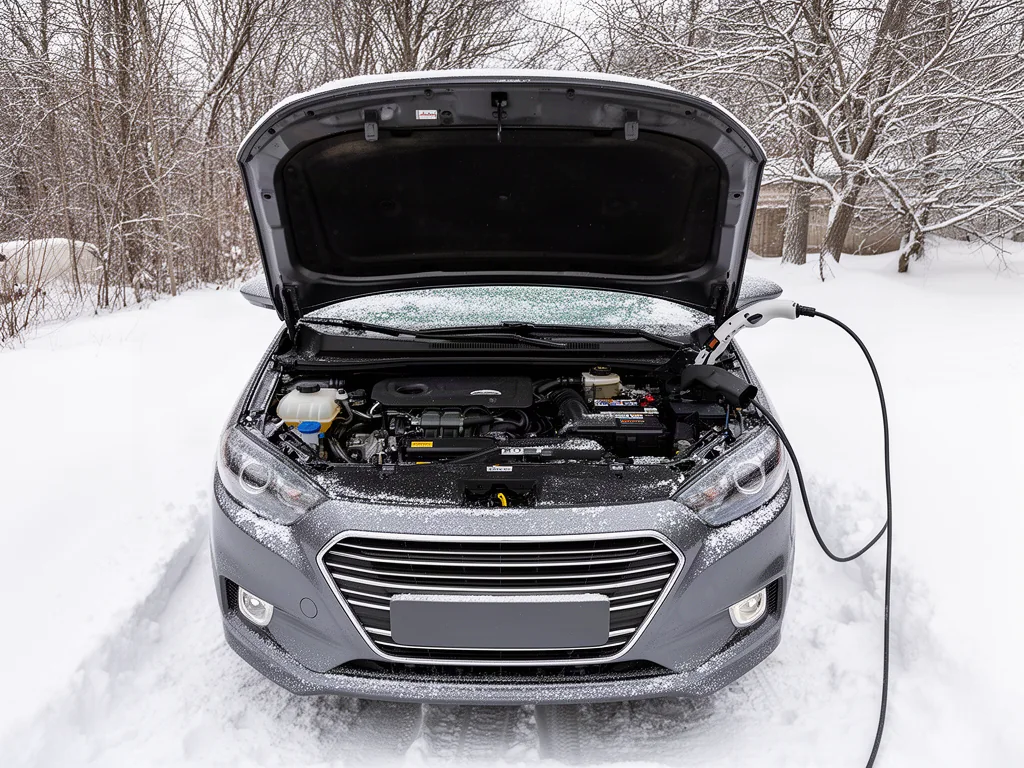
Cold weather power steering fluid questions usually start with a heavy wheel on a cold morning. Hydraulic steering assist can feel slow to come online when fluid viscosity rises in the cold, so cold-start steering effort may climb until the system warms. Whether a different power steering fluid for cold weather helps depends on the vehicle's steering type and the manufacturer fluid specification, not on temperature alone.
Why Cold Weather Can Make Hydraulic Steering Feel Heavy
In a hydraulic system, the pump moves fluid through hoses, valves, and the steering gear to reduce the force at the wheel. As temperature drops, fluid viscosity increases, so the same pump may move that fluid more slowly at first. Until the fluid thins with heat, hydraulic steering assist can lag, and the driver feels extra resistance during the first minutes of driving. Drivers often notice this with power steering fluid in cold weather, especially after the vehicle sits overnight.
Stiffness, delayed assistance, and a brief pump whine are observations, not proof that the fluid is the problem. Air in the circuit, a low level in the power steering reservoir, a slipping belt, worn pump vanes, or binding in the steering column can produce similar cold-start steering effort. If the wheel lightens as the vehicle warms, that only shows assist improved with temperature. It does not confirm the system is healthy, because leaks, contamination, and wear can still be present.
Confirm Whether the Steering System Uses Fluid
Before looking for a power steering reservoir or shopping for cold weather power steering fluid, confirm how the vehicle actually assists the driver. The owner's manual identifies whether the steering is hydraulic, electrohydraulic, or fully electric. Hydraulic and electrohydraulic systems still rely on fluid to transmit assist. Fully electric power steering uses a motor at the column or rack and has no power steering fluid to change, so a winter fluid swap cannot address that design.
If the manual describes electric assist only, a fluid remedy does not apply, even when the wheel feels heavy in the cold. That stiffness can come from a failing assist motor, a steering-angle sensor issue, a low battery state, software limits, or mechanical binding in the rack or column. Persistent cold-start steering effort on an electric system needs diagnosis rather than a bottle of fluid. Treat any warning lamp or message as a reason to have the system inspected.
Safe Observations When Steering Is Stiff on Cold Mornings
When the steering is stiff on a cold morning, note the outside temperature, when the heaviness starts, how long it lasts, and any noises or warning messages. Do not try to provoke the symptom with aggressive parking-lot turns. If the owner's manual gives an owner-level check, inspect fluid level only with the vehicle secured and under the temperature and engine-state conditions it specifies. Those conditions matter because a reading taken on a hot, running system can differ from a cold, parked check.
From a safe vantage, look for wetness around hoses, the reservoir, and the rack, and for fluid on the ground under the parked vehicle. Do not reach into a running engine bay or touch belts, pulleys, or other moving parts. Low fluid, dark discoloration, or visible bubbles can support further inspection, but they cannot identify the failed component on their own. Steering fluid leaks, aeration, and contamination each have more than one possible source.
Choose Fluid by the Vehicle's Required Specification
Choose power steering fluid for cold weather from the exact vehicle and steering-system requirements in the owner's manual or manufacturer service information. That manufacturer fluid specification is the only reliable match for seals, pumps, and valves. A bottle marketed as cold weather power steering fluid, or labeled synthetic, is not automatically suitable. Cold-flow marketing describes temperature behavior; it does not replace the required specification for that hydraulic circuit.
Confirm in writing that the product meets the required specification before adding it to the power steering reservoir. Do not infer compatibility from fluid color or from a broad product name such as a universal or all-makes label. Colors are not a standard across manufacturers. If the fluid already in the system is unknown, seek professional guidance before topping off, adding additives, or mixing products, because an incompatible mix can affect assist and may damage internal parts.
When a Fluid Service May Help
A fluid service may help only when inspection supports an unsuitable or degraded fluid condition as a contributor. Dark, burnt-smelling, or contaminated fluid can raise viscosity issues and reduce hydraulic steering assist when temperatures are low. Changing the fluid does not repair steering fluid leaks, worn pumps or racks, mechanical binding in the column, or electrical faults that cut assistance. Those problems remain after a drain, even if the new fluid meets the specification.
If the level is low, find why it dropped rather than treating repeated top-ups as a solution. Fluid that leaves the system is going somewhere, often through a leak that will return the same cold-start steering effort. Draining, flushing, and bleeding belong to vehicle-specific service guidance and qualified technicians, because trapped air and incomplete fill can leave the pump noisy. There is no universal replacement interval that applies to every hydraulic steering system.
When Heavy Steering Needs Professional Attention
If steering suddenly becomes very heavy, binds, or prevents confident control, stop safely and arrange assistance rather than continuing to drive. Persistent stiffness after warm-up, recurring fluid loss, ongoing pump noise, and steering warnings are also reasons for prompt inspection. Those signs can point to a leak, a failing pump, a restriction, or a control problem that a cold-weather fluid change will not correct. Treat a sudden loss of assist as a control issue, not a seasonal inconvenience.
A technician can verify the fluid against the manufacturer fluid specification, inspect for leaks and mechanical resistance, and test hydraulic pressure or assistance controls as the vehicle requires. Share the cold-start symptom record, including outside temperature and how long the heaviness lasted, plus any recent fluid additions or steering work. That history helps a shop reproduce the concern with power steering fluid in cold weather on a cold-soaked vehicle. Do not assume a fault code or a low reading by itself proves which part has failed.