Porsche EV Range by Trim: Macan Electric, Taycan and Cayenne Electric
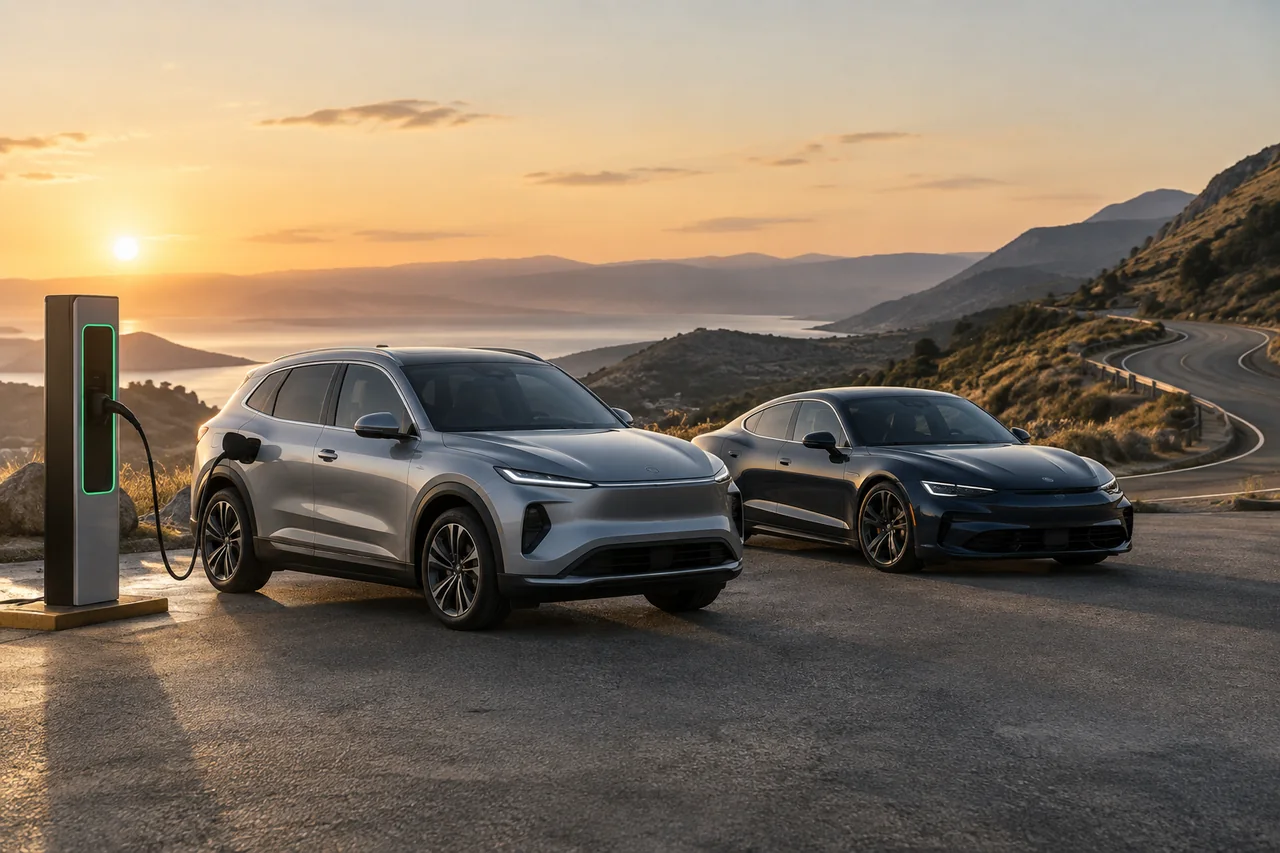
Porsche EV range is not a single number. Macan Electric, Taycan, and Cayenne Electric each carry ratings that belong to a model year, trim, battery, and certified configuration. Shoppers comparing Macan EV range, Taycan EV range, and Cayenne EV range should use EPA range when it is posted, label WLTP range as that cycle, and treat the displayed remaining range as a live estimate rather than a guarantee.
How to Read Porsche EV Range Ratings
A Porsche EV range figure is tied to one model year, named trim, battery specification, and the configuration that was certified. Changing wheels, tires, or the body style can produce a different EPA range even when the badge looks similar. US EPA range is the rating to use for vehicles sold in the United States when that number has been published. WLTP range belongs to a different test cycle and must stay labeled as WLTP. Converting a WLTP number into an unofficial EPA estimate mixes two methods and can mislead trip planning.
Certified range is a laboratory result for a defined configuration. A manufacturer estimate is a projection that has not completed that certification path, or that describes a market other than the one on the window sticker. The vehicle’s displayed remaining range is a live calculation from state of charge, recent energy use, and climate settings. It can move as highway efficiency changes. A rating therefore describes a standardized test, not a promise that a particular Macan EV, Taycan, or Cayenne Electric will cover that distance on your next drive.
Macan Electric Range and 2026 Model-Year Details
Porsche Macan EV range only belongs to the model year printed on the vehicle and the trim that was tested. A verified figure must include that year, the name such as Macan 4, Macan 4S, or Macan Turbo, the unit of distance, and whether the basis is EPA range or a labeled WLTP range. For 2026 Porsche Macan EV range, use only ratings published for that model year. If a 2026 EPA range has not been posted for a given configuration, that gap should stay empty rather than filled with an earlier year’s Macan Electric number.
Usable battery capacity and wheel configuration define which Macan Electric a listed rating covers. Two cars with the same nameplate can diverge once larger wheels, different tires, or another certified pack enter the build. On a listing or window sticker, match model year, exact trim wording, battery description, and wheel size to the configuration attached to the published EPA range. Porsche Macan range EV claims that omit those details are incomplete. EV Macan range shopping is safer when the sticker, not a generic brochure line, identifies the vehicle you are actually comparing.
Macan 4, 4S and Turbo Range by Configuration
Macan 4 EV range, Porsche Macan 4S EV range, and Porsche Macan Turbo EV range must be treated as separate entries. Each needs its own model year, and each needs the wheel and battery configuration that was documented with the rating. A Macan 4 figure cannot stand in for a 4S or Turbo, and a Turbo performance story does not imply a longer or shorter EPA range. If a United States rating for one of those trims has not been published for the year you are shopping, mark it unavailable instead of estimating from horsepower, acceleration, or a neighboring badge.
The trim badge on the rear is not enough to confirm rated range. Macan Electric cars sharing a 4, 4S, or Turbo name can still differ in usable battery capacity, aero pieces, and wheel configuration, and those differences are what the certification file actually tests. When you compare Porsche Macan EV range across trims, attach every documented wheel size and pack description to the matching entry and leave undocumented combinations blank. Borrowing a rating because two cars look related on a configurator is how a shopper assigns the wrong Macan EV range to the vehicle on the lot.
Taycan Range by Variant, Battery and Body Style
Porsche Taycan EV range should be organized by model year, named variant, and body style, not by which car sounds quicker. Porsche EV Taycan range figures that omit the battery specification are incomplete in years when more than one pack was offered. Different certified pack names are different objects, even when both sit under the Taycan family. Taycan EV range for a sedan is not interchangeable with a Turbo of the same year. Keep every verified number next to its year so an older Taycan is never assigned a newer vehicle’s EPA range.
Body style is part of the certified configuration. A Taycan sedan, Sport Turismo, and Cross Turismo can share a variant name and still carry different EPA range or WLTP range results because mass, aero, ride height, and tires are not identical. Match the exact designation on the window sticker, including Cross Turismo versus Sport Turismo where both exist, before you apply a published figure. Mixing body styles, or applying a later model year’s Taycan rating to an earlier car, assigns the wrong Porsche EV Taycan range to the vehicle you actually drive.
Cayenne Electric Range and the 2026 Designation
Porsche Cayenne EV range starts with the United States model-year designation, on-sale status, and announced trims for the battery-electric Cayenne. Searches for 2026 Cayenne EV range, 2026 Porsche Cayenne EV range, and Porsche Cayenne EV 2026 range treat 2026 as if it were already a confirmed US model year. Confirm that year, availability, and trim names from the manufacturer and EPA certification before applying any figure. If 2026 remains unsupported for a given trim, do not borrow another estimate or a WLTP range and relabel it as EPA range.
Any verified Cayenne EV range must carry its market and test cycle, and must be flagged as an estimate or as pending EPA certification when that is the case. Keep Cayenne Electric information on the battery-electric model only. Cayenne E-Hybrid electric-only range describes a different powertrain and must not be mixed into Porsche Cayenne EV range totals. Confirmed usable battery capacity, charging speed, and battery preconditioning help you plan charging stops and arrival state of charge. Those hardware facts still do not justify inventing a driving range that has not been certified for the electric Cayenne you are considering.
Planning Everyday Trips With Your Porsche EV
Everyday Porsche EV range depends on how you drive, not only on the window-sticker EPA range. Higher speed lowers highway efficiency. Cold or very hot weather, elevation changes, cabin heating or cooling, and extra cargo all raise energy use, so the distance available from the same usable battery capacity shrinks. Battery preconditioning before a fast charge can protect charging speed, but it also draws energy. Start from the actual state of charge and decide how much reserve you want at arrival. That pair, not a universal buffer, sets a usable trip budget for a Macan Electric, Taycan, or Cayenne Electric.
The dashboard remaining-range number follows recent driving. A stretch of efficient suburban use can inflate the estimate; a windy highway climb can cut it even if state of charge has barely moved. Recalculate as conditions change instead of treating the first reading as a lock. Use the vehicle’s route planner and confirm charging availability before you leave, including stalls that can use battery preconditioning. Charging stops still vary with weather, queue time, and energy used. The planner places stops; it does not promise a fixed distance between them.