Plug-In Hybrids With the Longest Electric Range and What EV Mode Means
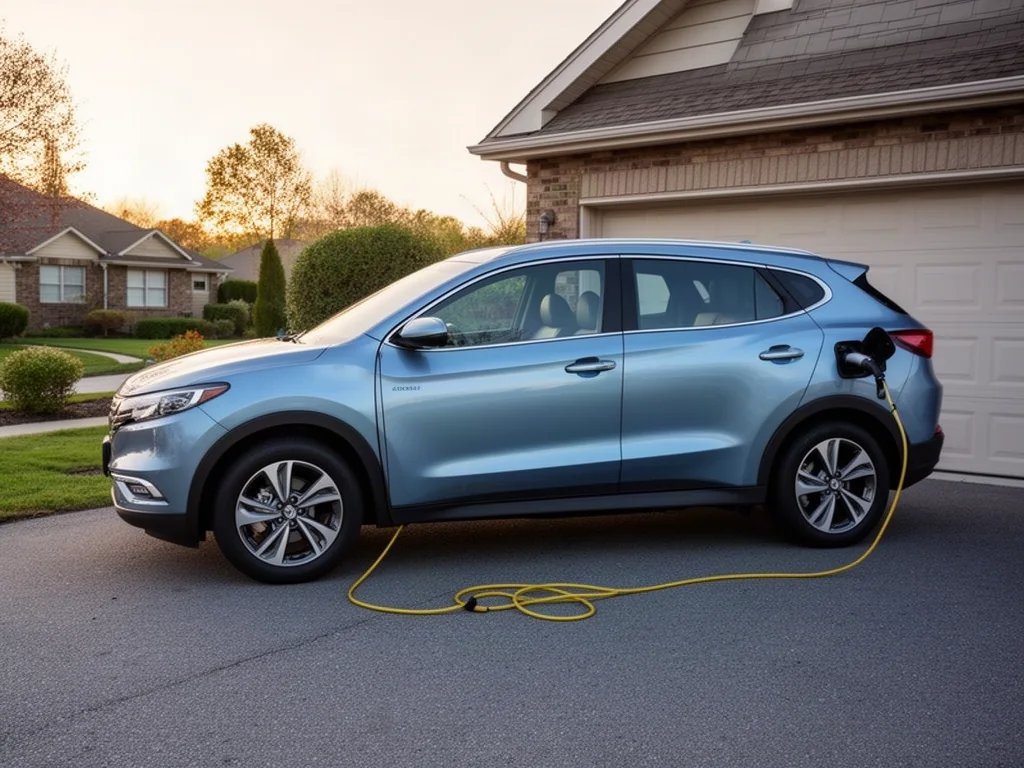
Shoppers looking for a plug-in hybrid with the longest EV range should start with EPA all-electric range, not combined driving range. A PHEV uses usable battery capacity for electric-only miles, then the engine can take over. Conventional hybrids such as the Camry, Accord, and Insight offer only short EV mode stretches. Volt and Prius Prime ratings show how charging and conditions shape electric driving.
Finding the Longest Electric-Only Range in a Plug-In Hybrid
Among US-market plug-in hybrids with verified EPA all-electric ratings, the 2017 and 2018 Chevrolet Volt hold the longest electric-only figure: a 53-mile EPA range rating. Those years were sold new in the United States; the Volt is now a used-car choice because production has ended. The rating describes all-electric distance from a charged pack under the EPA procedure, not a daily promise. A full charge is needed before those miles are available, and the engine can still start when state of charge, temperature, or power demand require it.
Identifying the plug-in hybrid with the longest EV range should rest only on US EPA all-electric range, not on overseas test-cycle numbers, maker estimates, or combined gasoline-plus-electric miles. Combined driving range includes the fuel tank and does not prove electric-only capability. The PHEV with the longest EV range can change when a later model year posts a new EPA rating, so the leader is tied to a specific year and market. Discontinued cars such as the Volt appear in used listings, where actual electric distance depends on that vehicle rather than the original brochure.
What an Electric Range Rating Actually Measures
A plug-in hybrid's all-electric range is the EPA-rated distance available from a charged battery under the applicable test procedure. Hybrid EV range in a PHEV is a battery-limited stretch, not the whole tank-to-tank trip. A full EV's range describes battery-powered driving until the vehicle needs recharging. A PHEV can continue using gasoline after usable battery capacity is depleted, so engine activation after the electric window is normal. That is why a PHEV with long EV range still behaves like a hybrid once plug-in charge is gone.
Combined driving range is a separate figure that adds remaining fuel to remaining electric energy. Treating that total as electric-only capability overstates what EV mode can deliver. Selecting EV mode, or watching a dashboard range estimate, does not guarantee the engine will stay off. Battery state of charge, cabin heating or cooling, hard acceleration, and cold temperatures can still trigger engine operation even when the driver wants electric-only driving. The EPA range rating is a standardized comparison tool; real electric miles vary with how the car is driven.
2017 and 2018 Chevrolet Volt Electric Range
The 2017 Chevy Volt EV range and the 2018 Chevy Volt EV range are both EPA-rated at 53 miles of all-electric driving. That number is a rating, not a promise of 53 miles on every trip. After usable battery charge is depleted, the Volt is designed to keep moving on gasoline as a hybrid, so engine activation then is expected. Cold weather, high accessory loads, or a request for more power than the battery can supply can also bring the engine on before the pack is empty.
On a used Volt, battery condition, weather, route profile, and climate-control use all change the electric distance actually delivered. A steep highway run or heater-heavy winter commute can use the pack faster than a mild, level local loop. A seller's dashboard estimate alone cannot establish battery health, because that readout reflects recent driving and remaining state of charge rather than pack capacity. When electric miles fall well short of the EPA range rating without an obvious cause, a professional battery assessment is more useful than a single displayed number.
2017 Toyota Prius Prime Electric Range
The 2017 Prius Prime EV range is EPA-rated at 25 miles of all-electric driving for that model year. The figure belongs to 2017 and should not be copied onto later Prime versions without checking that year's EPA range rating. Selecting EV mode does not prevent every automatic engine start. Operating conditions, climate settings, and remaining battery state of charge still matter, and the engine can come on when the car needs heat, extra power, or a different operating strategy than the driver requested.
Regular charging is what makes those electric trips available; without plugging in, the Prime operates more like a conventional hybrid once usable plug-in charge is gone. After the charged window is used up, the vehicle continues with engine and electric assist working together. The Prime name alone is not enough to establish range for another model year, because EPA all-electric ratings can change. A used example needs an individual condition assessment, since battery wear, charging history, and climate use affect how many electric miles that car still delivers.
EV Mode in the Camry Hybrid, Accord Hybrid, and Insight
The Camry Hybrid, Accord Hybrid, and Insight are conventional hybrids, not plug-in hybrids. They recharge through engine operation and regenerative braking, and the car manages battery energy automatically for hybrid driving rather than offering a long charged EV window. Camry Hybrid EV range depends on model year, so electric-only behavior should be treated as year-dependent and typically brief. These cars can roll in EV mode at low demand, yet that stretch is a managed hybrid function, not an EPA all-electric range like a PHEV.
For the 2018 Honda Accord Hybrid, engine-off operation depends on charge level, speed, acceleration, and temperature rather than a fixed electric allotment. The 2021 Honda Insight EV mode range follows the same idea: short electric stretches appear when demand is light and the battery has enough energy, then the engine can restart. A hybrid EV range of a mile or two is sometimes discussed, but it is not a guaranteed figure. Even when the driver requests EV operation, the engine may start if the car needs power or heat.
Estimating Electric Miles for Your Daily Driving
Trip distance, charging access, highway use, hills, and seasonal temperatures shape how useful a hybrid's electric operation will be. A PHEV with long EPA all-electric range can cover many commutes if charged regularly and driven at moderate speeds; the same car may use the engine sooner on a cold highway climb. During normal driving, useful observations include starting battery state of charge, distance traveled before engine activation, climate settings, and whether the engine runs. Those notes describe that trip, not a diagnosis of the high-voltage system.
A single short trip or a changing dashboard estimate cannot isolate battery degradation or establish a fault. Regenerative braking, recent hills, and cabin climate load can move the displayed electric miles without meaning the pack has failed. Persistent unexplained range loss, or warning messages that keep returning, is a reason for professional evaluation rather than home high-voltage inspection. A technician can compare the car's behavior with the EPA range rating and the vehicle's history to decide whether the electric window is condition-dependent or needs diagnosis.