Pep Boys Transmission Fluid Change: Service Availability and Options
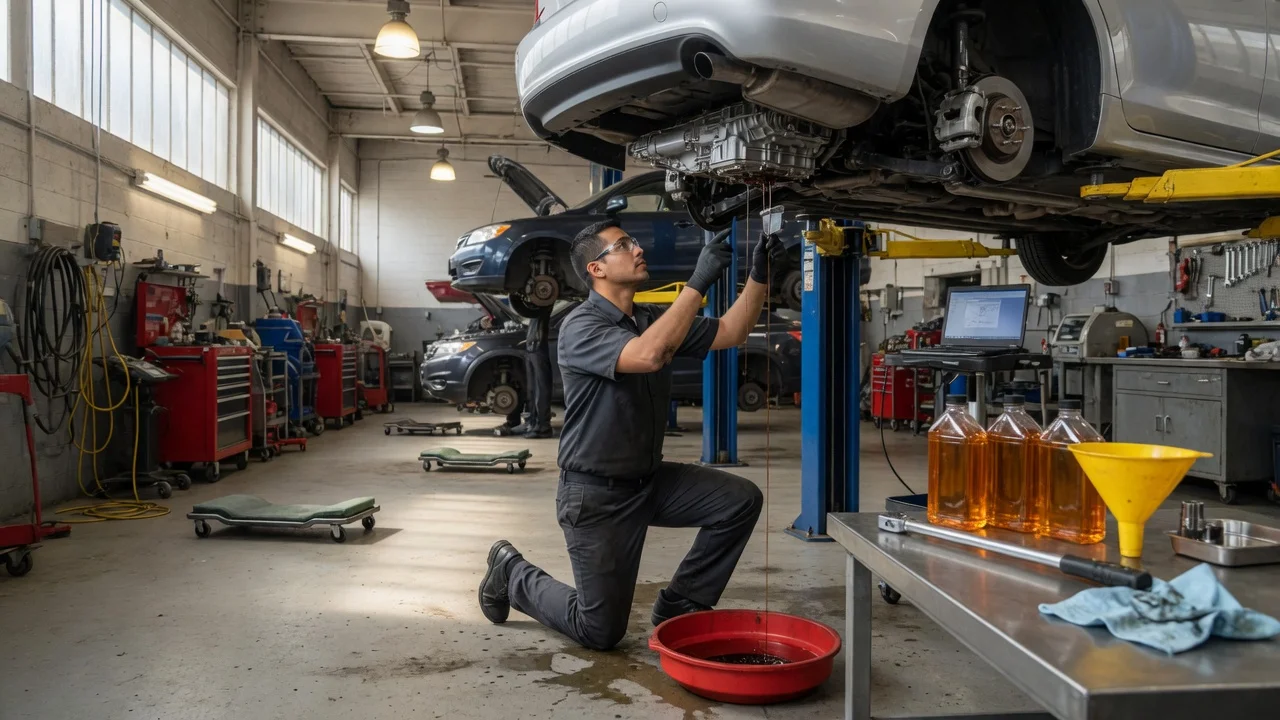
Pep Boys Transmission Fluid Change
A transmission fluid change can seem confusing because shops use different names for related services. Some locations offer a drain-and-fill, others promote a flush or filter replacement, and labor often changes by vehicle. This guide explains how to approach a Pep Boys transmission fluid change without assuming that every store has the same menu, equipment, or pricing.
Before you start
Transmission service is performed at a physical automotive service location; it is not something you can complete through a Pep Boys website or app. You will need the vehicle available for inspection, or at least enough identifying details to get an accurate estimate.
Useful details to have ready include the vehicle year, make, model, engine, transmission type, and current mileage. If the owner's manual lists a specific fluid specification, keep that information available. The shop may ask whether you are experiencing slipping, delayed engagement, fluid leaks, or warning lights, because those symptoms can affect whether a simple fluid change is the right starting point.
Do not assume a fluid change is available for every vehicle. Sealed transmissions, dual-clutch units, continuously variable transmissions, and certain imported models may require different fluid, filters, or service procedures. Availability can also vary by store, so confirm with the specific location before making a trip.
Step-by-step instructions
Use these steps as a way to confirm service availability and understand what you are approving. The exact process inside the shop may differ by vehicle and location.
1) Identify your transmission type
Check the owner's manual or the vehicle information label for the transmission type. Automatic, CVT, dual-clutch, and manual transmissions are serviced differently. Knowing this helps you ask the right question instead of requesting a generic fluid change.
2) Find the relevant service page
On the Pep Boys website, look for the automotive service or maintenance section and search for transmission or drivetrain services. Service names and package contents can change by region, so treat the page as a general guide rather than a guaranteed local menu.
3) Select a store and check availability
Use the store locator to choose a nearby location. Where booking is available, enter the vehicle details and choose transmission service if it appears. If the service is not listed for that vehicle, call the store and ask whether they can perform the work and what level of service they recommend.
4) Clarify drain-and-fill versus flush
A drain-and-fill typically removes only the fluid that drains from the pan and replaces it with new fluid, while a flush may use equipment to move fluid through the system. Ask the shop which method they intend to use and whether the price includes a filter or pan gasket. If the vehicle has high mileage and an unclear service history, ask whether the shop has any restrictions or cautions before approving a flush.
5) Confirm fluid, filter, and inspection scope
Before approving work, ask whether the quoted service includes the correct fluid specification for your transmission, a new filter where applicable, pan cleaning, and a check for leaks or worn mounts. A lower price may cover only basic fluid replacement.
6) Keep a record of what was performed
After the service, keep the invoice or service record. A useful record should list the fluid type or specification, whether a filter or gasket was replaced, the mileage, and any noted leaks or recommendations. This is especially helpful for later maintenance because not all transmissions use the same interval.
Check the output
A properly completed basic transmission fluid service should leave the fluid level correct and the transmission behaving normally under the same conditions as before. On a short drive, check that shifts occur without new harshness, slipping, or delay. Look under the vehicle afterward for fresh fluid spots, but remember that a few drips from spilled fluid during filling are not the same as a continuing leak.
If the transmission has a dipstick, check the level only according to the manual. Many vehicles require the fluid to be at a specific temperature, with the engine running and the transmission in a particular gear. Reading the level incorrectly can make a properly filled transmission appear low or overfilled.
Do not expect a fluid change to repair an existing mechanical fault. If the transmission was slipping, banging into gear, or setting a fault code before service, those symptoms may remain and require diagnosis.
Common problems and next steps
One common issue is being quoted only a fluid price while the vehicle also needs a filter, gasket, or additional fluid for a torque converter. Ask for a complete estimate before the work begins and note whether taxes and shop supplies are included.
Availability can also be limited by vehicle. If the online system does not offer transmission service for your car, the store may still be able to help after inspecting it. In other cases, the safest recommendation may be a dealer or transmission specialist, particularly for CVT or dual-clutch units that require exact fluid and special procedures.
If you are researching a Pep Boys transmission fluid change cost, do not rely on a single number. The final price depends on the vehicle, transmission type, fluid required, filter replacement, and local labor. Treat online prices as estimates to confirm at the chosen location.
For a transmission flush, be especially clear about the method. Ask whether the quoted service is a drain-and-fill or a machine flush, whether the filter is included, and whether the shop has any concerns about the vehicle's mileage or service history. If the shop cannot explain those details, get a second opinion before approving the work.
Finally, compare the service recommendation with the maintenance schedule in the owner's manual. Severe-use schedules often call for more frequent changes than normal-use schedules, so the right next interval depends on how the vehicle is driven, not on a universal number.