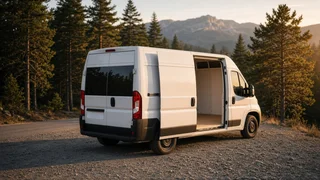
Panel van camper conversion

A panel van camper conversion turns an enclosed cargo van into a compact living space. For readers researching this project, the appeal is the combination of everyday maneuverability, secure cargo access, and a blank interior suited to a custom layout. A factory panel van has no rear side glass or passenger seating, so the build starts from a simple steel shell. The right body configuration, wheelbase, seating layout, and powertrain options shape how much headroom, storage, and road comfort the finished camper can provide before the first cabinet is installed.
Essential answer
A panel van camper conversion is a self-built or professionally assembled recreational vehicle created inside an enclosed commercial van. Unlike a prebuilt motorhome or a passenger van with factory interior trim, the panel van begins as an empty cargo box. The owner adds insulation, wall panels, a sleeping platform, storage cabinets, and often a simple kitchen or electrical system. The essential answer is that this approach prioritizes a personalized interior over turnkey convenience.
The scope changes with the market specification and body configuration. A short-wheelbase model suits solo travel and easier parking, while an extended wheelbase opens room for a fixed bed and a small galley. Powertrain options also matter because a naturally aspirated engine may feel strained when the conversion adds substantial weight. Understanding the original cargo van’s structure helps set realistic expectations for insulation depth, standing height, and where mechanical components remain accessible after the living space is installed.